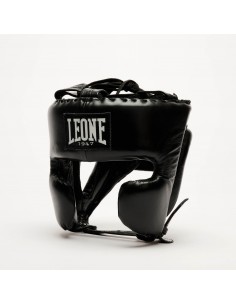
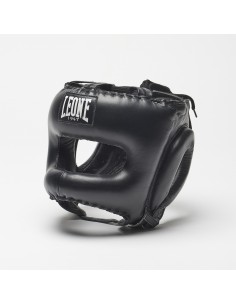
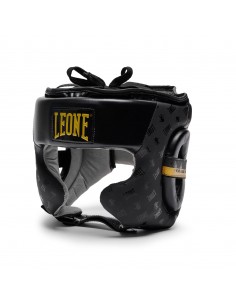
Boxing Headgear for Training and Sparring
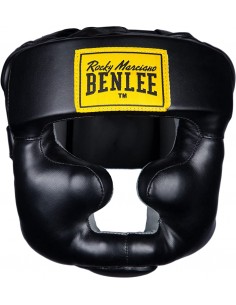
Well-fitting boxing headgear is an important part of your protective equipment for many types of sparring. It provides padding around selected areas of the head and, depending on its design, covers the forehead, temples, ears, cheeks and parts of the face.
At Vikingstore, you can find headgear for boxing, kickboxing, Muay Thai and MMA. Our range includes lightweight open-face models, classic sparring headguards with cheek protection and designs with additional protection for the face or nose.
The amount of padding is not the only factor that matters. Your headgear must suit your head circumference, combat sport and training intensity. It should stay securely in position when you move or sweat without unnecessarily restricting your vision.
What does boxing headgear protect against?
Headgear distributes some of the force applied to the areas covered by its padding. Depending on the design, it may help reduce superficial injuries such as cuts, abrasions, bruising and swelling.
Boxing headgear can provide several benefits during training:
- It pads the forehead, temples and sides of the head.
- It may reduce the risk of cuts and superficial injuries.
- Depending on the model, it covers the cheekbones, ears, chin or nose.
- It can provide additional protection during controlled sparring.
- It can cover sensitive areas of the face or previously healed cuts.
No headguard can completely prevent concussions or other head injuries. It does not make heavy blows harmless and cannot replace controlled sparring, good defence, suitable equipment and responsible training partners.
Which type of headgear is right for me?
The right design depends on your sport, sparring style and the areas you want to cover. More coverage is not automatically better for every athlete. Additional padding can affect the weight, ventilation and field of vision.
Open-face headgear
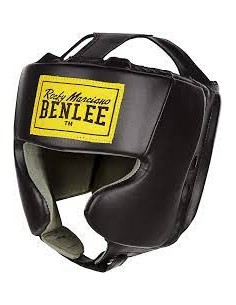
Open-face headgear leaves most of the face uncovered. It usually provides a wide field of vision and a relatively lightweight feel. This makes it a good option for technical sparring and athletes who want to recognise incoming strikes as early as possible.
The nose, mouth and parts of the cheeks remain exposed. A properly fitted mouthguard is therefore still essential.
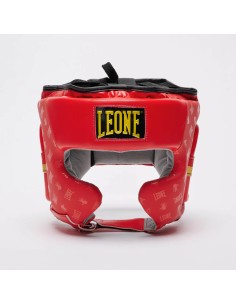
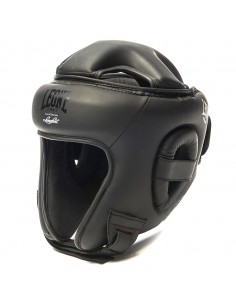
Headgear with cheek protection
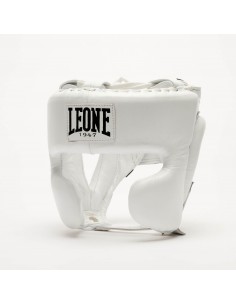
Headguards with raised cheek pads provide additional coverage around the cheekbones and sides of the face. They are a popular choice for regular boxing sparring because they combine facial coverage with a relatively open field of vision.
The cheek pads should not extend so far into your line of sight that hooks, kicks or other attacks are difficult to recognise. The ideal shape depends on your face and the fit of the individual model.
Full-face headgear
Full-face headgear provides more coverage around the cheeks and chin. Depending on the model, the nose remains open or receives partial protection.
This type of headgear may suit athletes who want more facial coverage during sparring. However, full-face models are often heavier and warmer than open designs and may restrict visibility more noticeably.
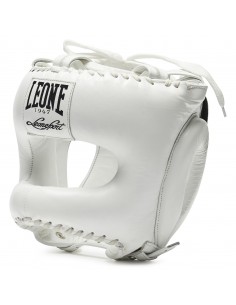
Headgear with a nose bar
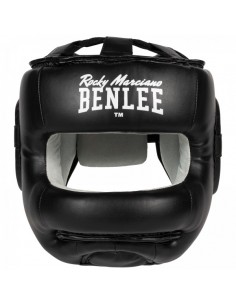
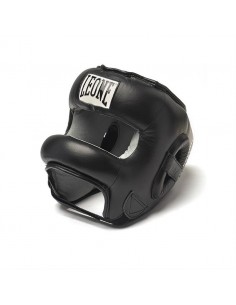
Headgear with a nose bar is often described as face saver headgear. It features a reinforced bar across the front of the face, designed to reduce direct contact with the nose and central facial area.
The bar must have enough distance from the face, while the complete headguard needs to remain stable during impact. This design can restrict your vision more than standard sparring headgear and may not be suitable for every combat sport or training situation.
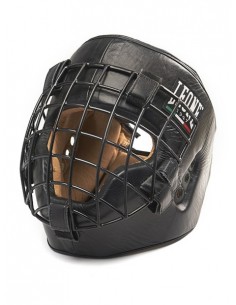
Headgear with a cage or face shield
Some headguards include a cage, grille or transparent face shield. These models create an additional barrier in front of the face and may be used for specific types of training.
Ask your coach whether this type of headgear is suitable and permitted in your gym before purchasing it. A cage or face shield can affect visibility, ventilation and communication with your training partner.
Boxing headgear for sparring
For boxing sparring, headgear should fit closely without creating painful pressure points. A stable fit, good visibility and even padding around the forehead, temples and sides of the head are particularly important.
Headgear must be used together with suitable boxing gloves. Sparring gloves generally provide more padding than competition or bag gloves. The appropriate glove weight depends on your body weight, sparring intensity and the rules of your gym.
A larger headguard with more padding does not replace responsible sparring. Your partner must still control the power and speed of each strike.
Headgear for kickboxing and Muay Thai
In kickboxing and Muay Thai, headgear must be suitable for more than punches. Kicks, knees, clinch movements and accidental collisions also need to be considered.
A wide peripheral and downward field of vision is especially important. You need to identify incoming kicks and knees as early as possible. Large cheek pads or a wide nose bar may restrict this view.
For Muay Thai, the headgear should also remain stable during clinch work. A compact model with reliable adjustment is often more practical than a particularly bulky design.
Remember that headgear does not protect the rest of your body. Depending on the sport and training session, suitable shin guards, a mouthguard and groin protection may also be required.
Headgear for MMA
MMA headgear must work with striking, clinching and ground fighting. Bulky or protruding models may interfere with grappling or shift position during transitions.
Compact headgear with a wide field of vision and a smooth exterior is often suitable for controlled MMA sparring. Hook-and-loop closures, buckles and hard components should be positioned so they do not injure or obstruct you or your training partner.
The type of headgear permitted can depend on your gym, coach and training format. Check these requirements before choosing a model.
How should boxing headgear fit?
Correct fit is more important than choosing the thickest possible padding. Loose headgear can rotate after a strike or slip down over your eyes. A model that is too tight may cause pressure points, headaches and unnecessary discomfort.
Properly fitted headgear should:
- Sit evenly around the head.
- Remain in position when you turn your head quickly.
- Surround the ears correctly without folding them.
- Avoid uncomfortable pressure on the eyebrows, nose or ears.
- Restrict peripheral and downward vision as little as possible.
- Allow you to open your mouth and wear a mouthguard.
- Close securely without cutting into the skin.
During the fitting, put the headguard on completely and adjust every fastening. Turn your head quickly from side to side and look up and down. The headgear should move as little as possible.
Ask another person to apply light pressure from different directions. This helps you check whether the headguard remains stable or rotates too easily.
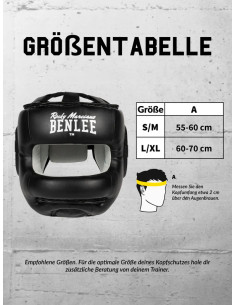
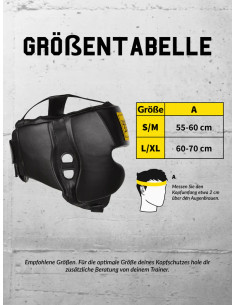
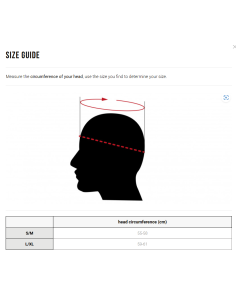
How do I find the right headgear size?
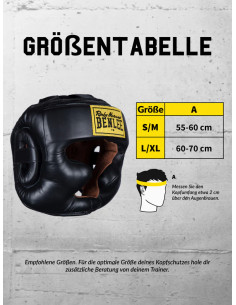
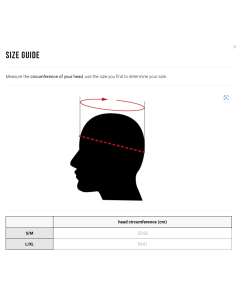
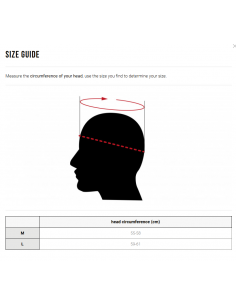
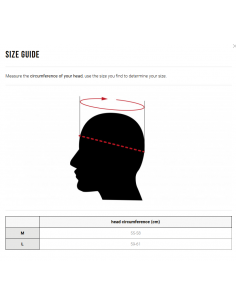
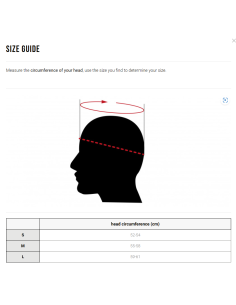
Headgear sizes are usually based on head circumference. Use a flexible measuring tape and measure approximately one to two centimetres above your eyebrows. Keep the tape level and guide it around the widest part of the back of your head.
Always compare your measurement with the size chart for the specific product. Sizes such as S, M, L and XL are not standardised across every brand.
Head shape and facial width also influence the fit. Two athletes with the same head circumference may therefore prefer different models.
If you are between sizes, do not automatically choose the larger option. Check the manufacturer’s size chart and consider how far the fastening system can be adjusted. The headguard must feel secure without creating excessive pressure.
Headgear adjustment and fastening systems
Many boxing headguards combine several adjustment points:
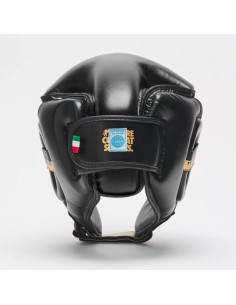
- A hook-and-loop fastening at the back for quick fitting.
- Rear lacing for more precise adjustment.
- Top lacing or a hook-and-loop panel to control the depth.
- A chin strap with a buckle or hook-and-loop closure.
- Elastic sections for additional flexibility.
A wide hook-and-loop fastening is particularly convenient for regular training. Lacing often allows a more precise fit but may require more time or assistance.
Check all closures regularly. Damaged buckles, worn hook-and-loop fasteners or loose laces can affect the fit and may disturb your training partner.
Visibility, weight and ventilation
Good headgear should allow you to recognise attacks from different directions. This is particularly important for kickboxing, Muay Thai and MMA, where attacks may come from above, below or the side.
Additional padding may increase coverage, but it usually adds weight and retains more heat. Bulky headgear can also create a false sense of security. Choose a model that suits the actual demands of your training instead of simply selecting the largest option.
Ventilation openings and moisture-managing linings can improve comfort. However, they do not replace cleaning and thorough drying after every training session.
Boxing headgear for beginners
For beginners, versatile sparring headgear with a clear field of vision is usually a sensible choice. It should be easy to adjust, comfortable to wear and stable during movement.
Focus on fit and function before choosing additional features. Heavy full-face headgear is not automatically the best option for a beginner. Ask your coach which design suits your sport and the sparring rules used in your gym.
In addition to headgear, a basic sparring setup usually includes suitable boxing gloves, a mouthguard and boxing hand wraps. Depending on your sport, you may also need shin guards, groin protection or other protective equipment.
Can I use training headgear in competition?
Not every headguard is approved for competition. Regulations vary according to the sport, governing body, event and age group. Some competitions only permit certified models in specific designs or colours. Other competition categories do not use headgear at all.
A high-quality sparring headguard is therefore not automatically approved for competition. Check the current regulations of your federation or ask your coach before ordering a model for this purpose.
Special rules may also apply to children and junior athletes. Fit, visibility and the regulations of the relevant training or competition format must be considered carefully.
Can headgear prevent a concussion?
Boxing headgear may reduce superficial injuries and cushion direct contact in the areas covered by its padding. However, it cannot reliably prevent a concussion or other brain injury.
Hard and uncontrolled strikes must still be avoided. Headaches, dizziness, nausea, vision problems, memory loss, confusion or unusual tiredness after a hit should always be taken seriously. Stop training and seek appropriate medical assessment.
Headgear is only one part of a responsible training setup. Controlled sparring, suitable gloves, a properly fitted mouthguard, good technique and trustworthy training partners remain essential.
How to clean boxing headgear
Sweat and moisture can cause unpleasant odours and damage the material over time. Clean your headgear after every training session according to the manufacturer’s care instructions.
For regular care:
- Wipe the inside and outside with a soft, slightly damp cloth.
- Avoid harsh cleaning agents and strong alcohol-based products.
- Allow the headgear to dry completely in a well-ventilated place.
- Do not dry it on a radiator or in direct sunlight.
- Remove fibres and dirt from hook-and-loop fasteners.
- Do not leave damp headgear inside your sports bag.
- Store it in a dry place once it has aired completely.
For hygiene reasons, headgear should not normally be shared with other athletes. Inspect the stitching, padding, chin strap and closures regularly.
Replace the headguard if the padding has become permanently compressed, the outer material is cracked or the fastenings no longer keep it securely in position.
Buy boxing headgear in Switzerland
Discover boxing headgear for boxing, kickboxing, Muay Thai and MMA at Vikingstore. Choose between different sizes, levels of facial coverage and fastening systems for technical training and sparring.
Order your boxing headgear online with delivery throughout Switzerland or visit our stores in Bern and St. Gallen. We will help you find a model that suits your head circumference, combat sport and training requirements.