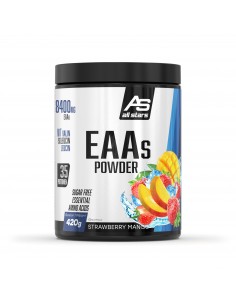
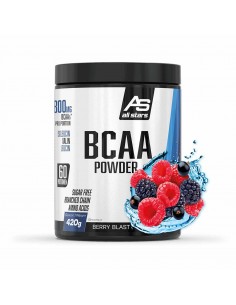
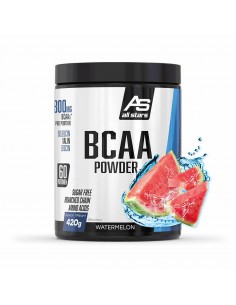
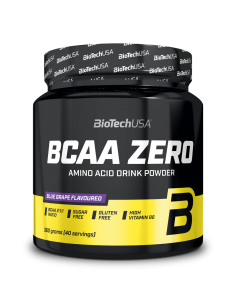
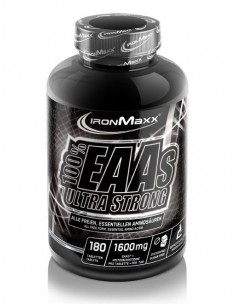
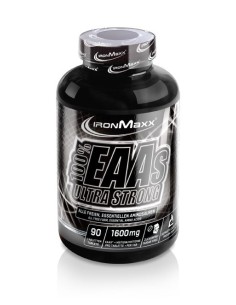
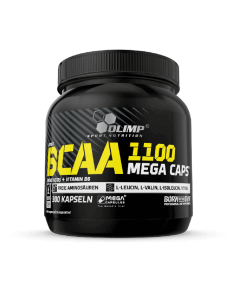
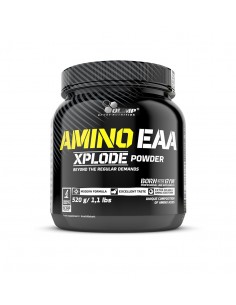
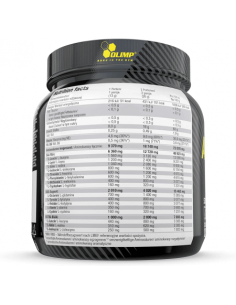
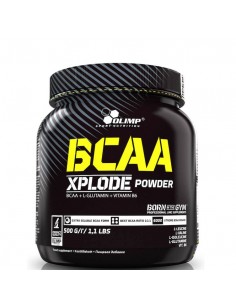
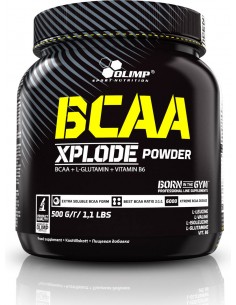
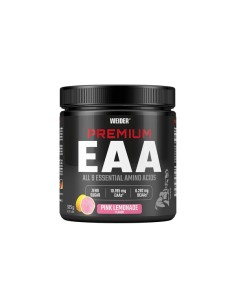
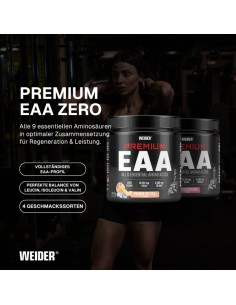
BCAA & EAA – Essential Amino Acids for Training and Sports
Are you looking for BCAA or EAA for strength training, bodybuilding and fitness? Both are among the best-known amino acid supplements in sports nutrition. Although the terms are often used together, there is an important difference: BCAA consist of three specific essential amino acids, while EAA include the complete group of essential amino acids.
At Vikingstore, you’ll find BCAA and EAA as powders, capsules, tablets and, depending on the product, in other forms. Flavoured powders can be mixed with water and consumed around your workout, while unflavoured products or capsules are alternatives for those who prefer amino acids without added flavour.
What Are BCAA and EAA?
BCAA and EAA are not two completely separate groups.
BCAA are part of the EAA.
EAA stands for Essential Amino Acids. These amino acids cannot be produced by the human body in sufficient quantities and must therefore be obtained through the diet.
BCAA stands for Branched-Chain Amino Acids and refers to three specific essential amino acids.
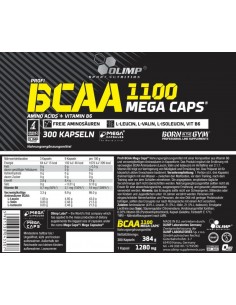
What Are BCAA?
The BCAA are:
- L-leucine,
- L-isoleucine,
- L-valine.
The term “branched-chain” refers to the chemical structure of these three amino acids.
Leucine, isoleucine and valine are essential amino acids and must therefore be obtained through the diet.
BCAA supplements often combine these three amino acids in different ratios.
What Does a BCAA Ratio of 2:1:1 Mean?
BCAA products often display ratios such as 2:1:1, 4:1:1 or 8:1:1.
These numbers describe the ratio of:
Leucine : Isoleucine : Valine
A BCAA ratio of 2:1:1, for example, means that the product contains twice as much leucine as isoleucine and valine.
A higher ratio such as 8:1:1 does not automatically mean that the product is better.
In addition to the ratio, compare the actual amounts of each amino acid provided per serving.
What Are EAA?
EAA are the essential amino acids that the human body cannot produce in sufficient quantities.
The nine essential amino acids are:
- histidine,
- isoleucine,
- leucine,
- lysine,
- methionine,
- phenylalanine,
- threonine,
- tryptophan,
- valine.
An EAA supplement therefore provides a broader spectrum of essential amino acids than a classic BCAA product.
Since leucine, isoleucine and valine are also essential amino acids, the three BCAA are already part of a complete EAA profile.
BCAA vs EAA – What Is the Difference?
The main difference is the number of essential amino acids included.
BCAA provide three essential amino acids: leucine, isoleucine and valine.
EAA include all nine essential amino acids.
BCAA are therefore a subgroup of EAA.
When comparing supplements, do not focus only on whether the package says “BCAA” or “EAA”. Check the actual composition and amount of each amino acid as well.
EAA or BCAA – Which Is Better?
This question cannot be answered based on the product name alone.
EAA provide a more complete spectrum of essential amino acids, while BCAA specifically provide leucine, isoleucine and valine.
Which option is more suitable for you depends on factors such as your overall diet, protein intake and what you specifically want to supplement.
A product is also not automatically high quality simply because “EAA” appears on the packaging. The actual formulation, dosage and amino acid content matter.
BCAA & EAA for Muscle Gain
Amino acids are often associated with muscle gain because proteins are made up of amino acids.
However, it is important to distinguish between the role of an individual supplement and your overall nutrition.
Protein contributes to the growth and maintenance of muscle mass.
Building muscle also requires an appropriate training stimulus, sufficient energy intake, adequate protein intake and recovery.
BCAA or EAA alone therefore do not automatically result in muscle growth.
Do I Need BCAA or EAA If I Eat Enough Protein?
Not automatically.
Protein-rich foods as well as whey protein, casein, multi-component protein and vegan protein powders already provide amino acids, including essential amino acids.
If your diet already provides sufficient high-quality protein, regular strength training does not automatically mean that you also need BCAA or EAA supplements.
BCAA and EAA products should be considered supplements to your overall diet.
BCAA & EAA Powder
BCAA and EAA powders are among the most popular forms of these supplements.
They are usually mixed with water and are available both unflavoured and in a wide range of flavours.
When comparing powders, pay particular attention to how many amino acids each serving actually provides.
For flavoured products, it can also be useful to check additional ingredients such as sweeteners, carbohydrates, vitamins or minerals.
BCAA & EAA Capsules or Tablets
If you prefer not to drink your amino acids, BCAA or EAA capsules and tablets may be available as an alternative.
They are easy to portion and convenient when travelling or on the go.
However, pay attention to the serving size. Depending on the concentration, several capsules or tablets may be required to reach the manufacturer’s recommended serving.
Instead of comparing only the number of capsules in the container, check the actual amount of amino acids provided per daily serving.
Flavoured or Unflavoured BCAA & EAA?
With powdered supplements, you can often choose between flavoured and unflavoured amino acids.
Flavoured BCAA and EAA can be mixed with water and consumed as a drink.
Unflavoured versions do not contain additional flavouring, although the amino acids themselves have a natural taste.
Which option is better mainly depends on your personal preference.
When Should You Take BCAA or EAA?
BCAA and EAA are used at different times in sports nutrition.
Depending on the product and your personal routine, they may be consumed:
- before training,
- during training,
- after training,
- between meals.
However, a specific timing is not automatically essential for every athlete.
Your overall daily diet and protein intake are more important than whether you consume amino acids immediately before or after your workout.
Always follow the manufacturer’s recommended serving instructions.
BCAA & EAA During Training
Flavoured BCAA and EAA powders in particular are often mixed with water and consumed during training.
This makes them a convenient option for athletes who already drink something during their workout.
Whether you want to use amino acids during training is an individual choice and depends on your overall nutrition and supplementation.
Can You Take BCAA and EAA Together?
Complete EAA products already contain the three BCAA: leucine, isoleucine and valine.
If you also use a separate BCAA supplement, you are therefore consuming additional amounts of these same three amino acids.
More is not automatically better.
If you combine different amino acid supplements, check the composition and total amounts provided by each product.
BCAA, EAA or Protein Shake?
These products are not the same.
A protein shake provides complete protein and therefore a variety of amino acids.
EAA specifically provide the essential amino acids.
BCAA focus on the three essential amino acids leucine, isoleucine and valine.
Which product suits you best therefore depends on what you want to add to your diet.
If your main goal is to increase your overall daily protein intake, protein powder is often the more straightforward choice.
What Should You Look for When Buying BCAA & EAA?
BCAA and EAA products can differ considerably.
When comparing supplements, pay particular attention to:
- BCAA or a complete EAA profile,
- amino acids included,
- amount of each amino acid per serving,
- BCAA ratio such as 2:1:1 or 4:1:1,
- serving size,
- powder, capsules or tablets,
- additional ingredients,
- sugar and carbohydrates in flavoured products,
- number of servings,
- price per serving.
With amino acid supplements, it is worth checking the nutrition and ingredient information carefully instead of comparing products only by large numbers printed on the front of the packaging.
Buy BCAA & EAA at Vikingstore
At Vikingstore, you’ll find BCAA and EAA for strength training, bodybuilding, fitness and sports in different formulations and flavours.
Compare BCAA, essential amino acids (EAA), powders, capsules and tablets, as well as the amounts provided per serving.
This makes it easier to choose the amino acid supplement that best matches your diet, training and personal preferences.
What Does BCAA Mean?
BCAA stands for Branched-Chain Amino Acids. These are leucine, isoleucine and valine.
What Does EAA Mean?
EAA stands for Essential Amino Acids. These are nine amino acids that the body cannot produce in sufficient quantities and must therefore obtain through the diet.
What Is the Difference Between BCAA and EAA?
BCAA include three essential amino acids: leucine, isoleucine and valine. EAA include all nine essential amino acids. BCAA are therefore part of the EAA group.
Are EAA Better Than BCAA?
EAA provide a broader spectrum of essential amino acids than BCAA. Which product is more suitable for you depends on your overall diet, protein intake and supplementation strategy.
Do EAA Contain BCAA?
Yes. Leucine, isoleucine and valine are three of the nine essential amino acids and are therefore included in a complete EAA profile.
Do I Need BCAA or EAA for Muscle Gain?
BCAA and EAA are not essential supplements for building muscle. The main factors are regular strength training, sufficient energy and protein intake and adequate recovery. Protein contributes to the growth and maintenance of muscle mass.