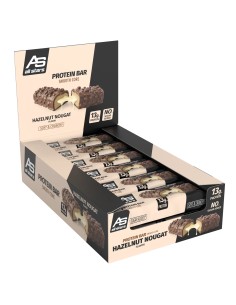
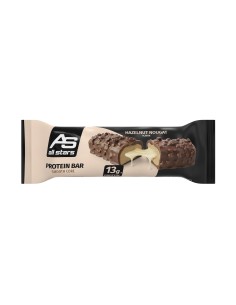
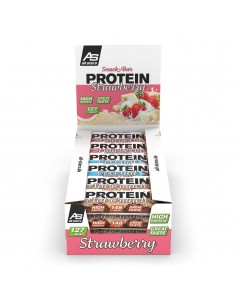
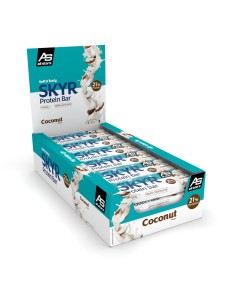
Protein Bars & Protein Cookies – Protein Snacks for Training and Everyday Life
Protein bars and protein cookies are convenient when you’re on the go, want something after training or simply need a protein-rich snack. No shaker, no preparation and easy to carry in your gym bag. The choice is huge – from classic high-protein bars and soft or crunchy varieties to protein cookies and vegan protein bars.
At Vikingstore, you’ll find protein bars and protein cookies from different brands, in various flavours and with different nutritional profiles. We don’t just look at how big the words “HIGH PROTEIN” are on the wrapper. A bar should fit your goals – and most importantly, it should taste good.
Protein bars can differ considerably in terms of protein content, calories, sugar, fat, carbohydrates, ingredients and texture.
What Is a Protein Bar?
A protein bar is a pre-portioned snack in which protein generally plays a more important role than in many traditional chocolate or cereal bars.
Different manufacturers use different protein sources and recipes.
This can result in significant differences in:
- protein content
- calories
- carbohydrates
- sugar
- fat
- fibre
- ingredients
- flavour
- texture
That’s why it’s worth comparing different protein bars rather than judging them by the packaging alone.
How Much Protein Is in a Protein Bar?
This varies considerably from product to product.
Instead of looking only at claims such as “20 g Protein” on the front of the wrapper, you should also consider the size of the bar.
A larger bar may provide more protein per serving but can also contain considerably more calories.
For a useful comparison, check both protein per bar and protein per 100 g.
Why Is Protein Important for Athletes?
Protein contributes to the growth and maintenance of muscle mass.
People who regularly do strength training, bodybuilding, fitness or combat sports therefore often pay particular attention to their daily protein intake.
A protein bar can be a convenient way to add protein to your daily diet.
However:
A protein bar does not automatically build muscle.
Training, sufficient protein intake, your overall diet and recovery all work together.
Protein Bars After Training
Protein bars are particularly popular after training.
The main advantage is convenience.
You can simply keep a bar in your gym bag without needing a shaker, water or milk.
However, you don’t have to eat a protein bar immediately after your final repetition.
For muscle growth and maintenance, your total protein intake throughout the day is more important than whether you eat your bar five or 45 minutes after training.
If you are going to eat a protein-rich meal shortly after your workout anyway, an additional protein bar is not automatically necessary.
Protein Bars Before Training
A bar can also be convenient before training.
However, you should consider which nutritional composition you personally tolerate well before exercise.
A large bar containing plenty of:
may feel heavier shortly before an intense workout.
If you mainly want additional carbohydrates before training, a traditional protein bar may not necessarily be the best choice.
Protein bars and energy bars do not automatically serve the same purpose.
Protein Bars for Muscle Building
During a muscle-building phase, protein bars can be a convenient addition to your diet.
If you have higher protein and calorie requirements, larger or more energy-dense bars may also be useful.
Especially when you’re away from home, a bar can be much easier than carrying a prepared meal.
However, your diet should not consist mainly of protein bars.
They are a practical addition – not a replacement for a varied diet.
Protein Bars During a Diet
Protein bars can also fit into a calorie-controlled diet.
But there is one important point to remember:
High Protein does not automatically mean Low Calorie.
A bar can contain plenty of protein while still being relatively high in calories due to fat, carbohydrates, nuts, chocolate or other ingredients.
If you are controlling your calorie intake, always consider the entire serving.
A smaller bar with slightly less protein may sometimes fit your personal calorie target better than a huge high-protein bar.
Are Protein Bars Low in Calories?
Not necessarily.
The calorie content depends on the complete nutritional composition.
Protein provides approximately 4 kcal per gram, carbohydrates also provide around 4 kcal per gram, while fat provides approximately 9 kcal per gram.
A bar can therefore be relatively energy-dense despite its high protein content.
That isn’t automatically a bad thing.
For someone trying to gain weight and muscle, a more calorie-dense bar may actually be desirable.
What matters is whether it fits your goal.
Protein Bar or Regular Chocolate Bar?
Protein bars and traditional chocolate bars can differ considerably in their nutritional composition.
A protein bar will often contain more protein. Depending on the product, sugar, carbohydrate and fat levels may also differ.
But:
The word “Protein” does not automatically turn a bar into a low-calorie snack.
If you want to compare two products, look at their actual nutritional values rather than the design on the wrapper.
How Much Sugar Is in Protein Bars?
There are significant differences between products.
Some protein bars contain relatively little sugar, while others contain considerably more.
Many modern bars also use sweeteners or sugar substitutes in addition to or instead of conventional sugar.
So don’t just look at:
of which sugars
Also check the ingredient list.
The terms sugar-free, low sugar and no added sugar also have different meanings and should not be confused.
Why Do Many Protein Bars Contain Sweeteners?
Most customers naturally want a protein bar to provide protein and taste good.
For this reason, many products use sweeteners or sugar substitutes.
You can find the exact ingredients in the product information.
Large amounts of certain sugar substitutes may have a laxative effect in sensitive individuals. Always pay attention to any relevant information on the packaging.
Low-Sugar Protein Bars
If you are specifically looking for a protein bar with less sugar, compare products using their nutritional information.
However, don’t focus exclusively on sugar.
A useful comparison includes:
- protein
- calories
- carbohydrates
- sugar
- fat
- fibre
- serving size
This gives you a much better picture of the overall product.
What Are Protein Cookies?
Protein cookies are an alternative for anyone who doesn’t always want a traditional protein bar.
They combine the familiar format and texture of a cookie with a recipe that places greater emphasis on protein.
Depending on the product, protein cookies may:
- be soft or crunchy
- contain chocolate pieces
- have a filling
- use different protein sources
- contain different amounts of sugar and fat
And once again:
Protein Cookie does not automatically mean low-calorie cookie.
Protein Cookie or Protein Bar?
This is mainly a matter of taste and the nutritional values you are looking for.
Protein cookies may feel more like traditional baked snacks, while protein bars can be chewy, crunchy, soft or filled depending on the product.
If nutritional values matter to you, compare the actual product information.
If taste is your main priority:
Choose the one you genuinely enjoy eating.
Vegan Protein Bars
Vegan protein bars are now available in many different varieties.
Instead of milk-based protein sources, they may use various plant-based proteins.
If you are specifically looking for a vegan protein bar, check the relevant product labelling and ingredient list.
And again:
Vegan does not automatically mean higher in protein or lower in calories.
The nutritional values depend on the individual recipe.
Which Protein Sources Are Used in Protein Bars?
Different manufacturers use different protein sources.
These may include milk protein, whey protein or various plant-based proteins.
Some products combine several protein sources.
You can find the exact proteins used in the ingredient list of the individual product.
Why Are Some Protein Bars Hard or Chewy?
Anyone who has tried several protein bars knows the difference.
One may be soft and creamy, another chewy and another surprisingly firm.
This can depend on the recipe, protein sources and other ingredients.
Storage and temperature can also influence texture.
That’s one reason why personal preference matters so much when choosing protein bars.
Soft, Crunchy or Chewy – Which Protein Bar Is Better?
None is automatically better.
It depends on your personal preference.
Soft
Soft bars can be ideal if you prefer a more dessert-like texture.
Crunchy
Crispy pieces add more bite and texture.
Chewy
The classic chewy texture is common in many traditional protein bars.
The easiest way to find your favourite is simply to try different varieties.
Which Protein Bar Tastes Best?
This is probably one of the most common questions – and also one we cannot seriously answer for everyone.
Taste is extremely individual.
Some people love flavours such as:
- Chocolate Brownie
- Peanut Butter
- Cookies & Cream
- Salted Caramel
- Coconut
- White Chocolate
Others find exactly those flavours too sweet.
Texture also plays a major role.
Customer reviews can be helpful, but they can’t replace your own taste test.
Try Different Protein Bars Before Buying a Whole Box
Especially with protein bars, we recommend trying different varieties first.
Because there’s nothing more annoying than buying a box of twelve or 24 bars and discovering after the first one:
I really don’t like this one.
Individual bars or mixed selections allow you to try different brands, flavours and textures.
Once you have found your favourite, you can always buy a larger quantity later.
Protein Bars for On the Go
One of the biggest advantages of protein bars is how easy they are to carry.
You can take them:
- to work
- to the gym
- while travelling
- hiking
- to school or university
- on longer car journeys
You don’t need cutlery, a shaker or a kitchen.
Open the wrapper – done.
Protein Bars at Work
Protein bars can also be useful at the office.
Instead of automatically heading to the snack machine when you get hungry, you can keep a bar in your desk drawer.
That doesn’t mean a protein bar is automatically “better” than every other snack.
But you know in advance exactly what serving size and nutritional values you are getting.
Protein Bars When Travelling
Bars are also practical when travelling because they take up very little space.
They can be a convenient backup on longer train or car journeys.
When travelling by air, remember to check the food import regulations of your destination, particularly if the product contains ingredients of animal origin.
Can a Protein Bar Replace a Meal?
A standard protein bar is not automatically a complete meal replacement.
Just because a product contains protein does not mean it provides everything you would normally expect from a balanced meal.
Products specifically formulated and labelled as meal replacements are a different category.
We would therefore primarily consider a normal protein bar a snack or dietary addition.
Protein Bar or Protein Shake?
Both can contribute to your protein intake.
Protein Bar
Convenient when you want something to eat.
Protein Shake
Convenient when you prefer to drink your protein.
Protein powder is often cheaper per serving, while protein bars have the advantage of requiring absolutely no preparation.
Which is better therefore depends on the situation.
What Should You Look for When Buying Protein Bars?
We wouldn’t simply choose the bar with the biggest protein number on the wrapper.
Look at the complete package:
- Protein per bar
- Calories per bar
- Protein per 100 g
- Carbohydrates
- Of which sugars
- Fat
- Fibre
- Ingredients
- Weight of the bar
- Taste and texture
The last two points are often forgotten when comparing products online.
A protein bar can have perfect nutritional values.
If you don’t enjoy eating it, those numbers won’t help much.
Which Protein Bar Fits My Goal?
As Much Protein as Possible
Compare protein per serving and per 100 g.
Controlling Calories
Look at the total calories per bar, not just the protein content.
Less Sugar
Compare sugar content and ingredient lists.
Muscle Building
A higher protein and energy content may be useful depending on your overall diet.
Vegan
Check the relevant labelling and ingredients.
Snack for On the Go
Serving size, packaging and, of course, taste may be particularly important.
Buy Protein Bars & Protein Cookies at Vikingstore
At Vikingstore, you’ll find a selection of protein bars, high-protein bars, protein cookies and vegan protein snacks in different flavours and textures.
Whether for fitness, bodybuilding, combat sports, after training, at work or simply on the go, protein bars are a convenient way to keep a portioned protein snack within easy reach.
Compare protein content, calories, sugar, fat and ingredients to find the bar that genuinely fits your goals.
And when it comes to taste, we follow one simple rule:
Better a protein bar you genuinely enjoy than one with perfect macros that sits untouched in your drawer for months.
Frequently Asked Questions About Protein Bars & Protein Cookies
Are Protein Bars Good for Building Muscle?
Protein contributes to the growth and maintenance of muscle mass. Protein bars can contribute to your daily protein intake but do not replace training or an appropriate overall diet.
Are Protein Bars Suitable for Weight Loss?
They can be included in a calorie-controlled diet. What matters is the calorie content of the bar and your total energy intake.
How Much Protein Should a Protein Bar Contain?
There is no universal minimum. Compare protein per bar and per 100 g while also considering calories and serving size.
When Should You Eat a Protein Bar?
Protein bars can be eaten on the go, after training or simply as a snack. For most people, there is no single required time to eat one.
Which Is Better – a Protein Bar or Protein Shake?
That depends on your preferences and the situation. A bar is a solid snack, while a shake provides protein in liquid form.
Are Protein Cookies Low in Calories?
Not automatically. Depending on the recipe, protein cookies can still contain significant amounts of fat, carbohydrates and calories.
Are Sugar-Free Protein Bars Calorie-Free?
No. Sugar-free protein bars can still provide energy from protein, fat, carbohydrates and other ingredients.
Are Vegan Protein Bars Available?
Yes. There are protein bars made with plant-based protein sources. Check the product labelling and ingredient list.
Can I Eat a Protein Bar Every Day?
Whether a daily protein bar fits your diet depends on the individual product and your overall nutrition. Protein bars should complement a varied diet rather than replace it.
Which Protein Bar Is the Best?
There is no single best protein bar. Protein content, calories, sugar, ingredients, texture and especially taste determine which bar is the best choice for you.