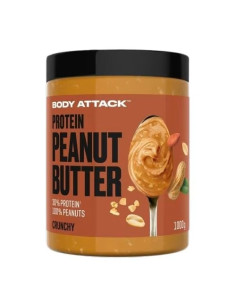
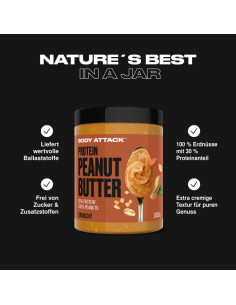
Protein Spreads, Nut Butters & Creams
Peanut butter, nut creams and protein spreads are no longer just breakfast foods. They are used on pancakes, in porridge, in shakes, for baking or simply spread on bread. In fitness nutrition, the choice is now huge – from classic peanut butter and pure nut butters to sweet protein creams.
At Vikingstore, you’ll find a selection of protein spreads, peanut butter, nut butters and sweet creams for your fitness kitchen.
It is always worth taking a closer look at the nutritional values. A high-protein product is not automatically low in calories – and peanut butter with no added sugar can still provide plenty of calories due to its naturally high fat content.
What Are Protein Spreads?
Protein spreads are sweet or nut-based creams formulated to provide a higher protein content than some comparable conventional spreads.
Different protein sources may be used depending on the product.
Typical varieties include:
- chocolate protein spreads
- hazelnut protein spreads
- peanut creams
- nut butters
- pure nut spreads
- sweet fitness spreads
The nutritional composition can vary considerably.
For this reason, don’t look only at the protein content – consider the complete nutritional information.
What Is Peanut Butter?
Peanut butter is mainly made from roasted and ground peanuts.
Depending on the product, additional ingredients such as salt, oils or other ingredients may be added.
There are also varieties made almost entirely or exclusively from peanuts.
Peanuts naturally provide:
- protein
- fat
- carbohydrates
- fibre
This makes peanut butter a nutrient-rich but also energy-dense food.
Peanut Butter – What Should You Compare?
Not all peanut butters have the same recipe.
One peanut butter may consist almost entirely of peanuts, while another may contain additional ingredients.
That is why it is worth checking:
- peanut content
- added oils
- added sugars
- salt
- protein
- calories
- overall ingredient list
Don’t compare products by name alone – compare what is actually inside.
What Is Nut Butter?
Besides peanuts, other nuts can also be processed into creamy spreads.
Depending on the product, you may find spreads made from:
- almonds
- hazelnuts
- cashews
- mixed nuts
Recipes can differ considerably.
Some nut butters consist mainly or entirely of nuts, while nut creams may contain additional ingredients.
The ingredient list will tell you exactly what you are buying.
Protein Cream – A Fitness Alternative to Traditional Chocolate Spreads?
Sweet protein creams are often marketed as alternatives to conventional chocolate and chocolate-hazelnut spreads.
Depending on the recipe, they may contain more protein, less sugar or different sweetening ingredients.
However:
“Protein” does not automatically mean “low calorie”.
A protein spread can still contain a significant amount of fat and therefore provide plenty of energy.
If you monitor your calorie intake, look at the entire nutritional profile rather than protein alone.
What Does “Protein Nutella” Mean?
The term “Protein Nutella” is sometimes used informally when people search for high-protein chocolate-hazelnut spreads.
Nutella, however, is a brand name.
At Vikingstore, you can find various protein chocolate and nut spreads as alternatives to conventional sweet spreads.
Which option is best depends on taste, ingredients and your individual nutritional goals.
Is Peanut Butter High in Protein?
Peanuts naturally contain protein, so peanut butter also provides protein.
However, peanut butter should not be viewed purely as a protein source.
It also contains a relatively high amount of fat and therefore plenty of calories.
If your only goal is to consume as much protein as possible for a given number of calories, there are foods with a higher protein-to-calorie ratio.
Peanut butter is particularly useful for its combination of flavour, protein, fat and versatility.
Protein Contributes to Muscle Growth
Protein contributes to the growth and maintenance of muscle mass.
Protein spreads can therefore be included as part of a protein-rich diet.
However, your total protein intake throughout the day is what matters.
One spoonful of protein spread will obviously not build muscle on its own.
Training, nutrition and sufficient recovery all work together.
How Many Calories Are in Peanut Butter?
Peanut butter is relatively high in calories due to its natural fat content.
Fat provides around 9 kcal per gram, while protein and carbohydrates each provide around 4 kcal per gram.
Because peanuts naturally contain a considerable amount of fat, peanut butter is energy-dense.
The exact calorie content varies between products.
Always check the nutritional information for the specific peanut butter you are buying.
Is Peanut Butter Suitable for Weight Loss?
Peanut butter can also be eaten during a calorie-controlled diet.
The amount matters.
If you want to reduce your calorie intake, portion size is particularly important with energy-dense foods.
One small spoonful and several generous spoonfuls make a considerable difference.
Peanut butter doesn’t prevent weight loss – but its calories are very easy to underestimate.
Peanut Butter for Muscle Building
During a muscle-building phase, the high energy content of peanut butter can actually be useful.
If you struggle to consume enough calories, peanut butter can easily be added to:
- porridge
- shakes
- pancakes
- bread
- smoothies
- various meals
Even relatively small amounts can noticeably increase the energy content of a meal.
This can be particularly useful for people with high calorie requirements.
Peanut Butter in a Protein Shake
Peanut butter can add flavour and a creamier consistency to a protein shake.
A classic combination might include:
- protein powder
- milk or a plant-based drink
- banana
- peanut butter
If you want to increase calories further, you can add oats.
If you are controlling your calorie intake, simply adjust the amount of peanut butter.
Peanut Butter in Porridge
Peanut butter and porridge work extremely well together.
Even a small spoonful can noticeably change both flavour and texture.
Popular combinations include:
Peanut Butter & Banana
A classic combination.
Peanut Butter & Chocolate
Try it with chocolate protein powder or cocoa.
Peanut Butter & Berries
Nutty and fruity flavours can work very well together.
Peanut Butter & Vanilla
Combine with vanilla protein powder or a suitable flavouring.
Protein Spread on Pancakes
Protein creams and nut butters make excellent toppings for pancakes and waffles.
However, remember that the calories in the finished meal come from all the ingredients combined.
Protein pancakes plus protein spread does not automatically equal a low-calorie meal.
Generous amounts of nut cream can quickly increase the total energy content.
That isn’t necessarily a problem – you just need to know what you are eating.
Baking with Peanut Butter
Peanut butter can also be used in baking.
For example, it works well in:
- cookies
- brownies
- muffins
- cakes
- homemade protein bars
- energy balls
- pancakes
Its fat content affects not only the nutritional values but also the texture of the finished recipe.
What Does 100% Peanut Butter Mean?
If a product is made from 100% peanuts, the ingredient list consists entirely of peanuts.
This means that no additional oils or sugars have been added as separate ingredients.
However, this does not make the product calorie-free.
The naturally occurring fats and carbohydrates in peanuts are still present.
Why Is There Oil on Top of My Peanut Butter?
Oil may naturally separate and collect on the surface of some peanut butters and nut butters.
This is particularly common in products that do not use additional stabilisers.
It does not automatically mean that the product has gone bad.
In many cases, simply stir it thoroughly until the oil and solid ingredients are combined again.
Always follow the manufacturer’s storage instructions as well.
No Added Sugar Does Not Mean Sugar-Free
This distinction is particularly important with spreads.
No added sugar does not automatically mean that the product contains no sugar at all.
Some ingredients naturally contain sugars.
Sugar-free, on the other hand, is a specific nutritional claim with defined requirements.
The two terms should therefore not be confused.
Protein Spreads with Sweeteners
Some protein spreads replace part of the conventional sugar with sweeteners or other ingredients.
This can change the nutritional composition compared with a traditional sweet spread.
You can find the sweeteners and other ingredients used on the product label.
Again:
Check the complete nutritional information – not just “less sugar” on the front.
Does Peanut Butter Contain Palm Oil?
That depends on the product.
Some peanut butter and nut cream products contain additional vegetable fats, while others do not.
If you specifically want a product without palm oil, check the ingredient list.
With a product made from 100% peanuts, it is straightforward: the only ingredient is peanuts.
Protein Spread vs. Regular Chocolate Spread
The differences depend on the specific products being compared.
A protein spread may, for example:
- contain more protein
- contain less sugar
- use different sweeteners
- contain different sources of fat
However, this does not automatically mean it contains fewer calories.
For a meaningful comparison, check the nutritional values per 100 g.
Which Nutritional Values Should I Check?
For spreads, it is useful to look at:
- calories
- protein
- fat
- saturated fat
- carbohydrates
- sugars
- fibre
- salt
- ingredients
Then consider how much you actually eat.
With spreads in particular, the real serving size often matters more than the values on paper.
How Much Is a Serving of Peanut Butter?
Check the serving recommendation for the individual product.
In practice, it can be useful to weigh your usual portion at least once.
Why?
A heaped spoonful can contain considerably more than you might think.
If you track calories precisely, weighing is more reliable than guessing.
After doing this a few times, it usually becomes much easier to estimate your portions.
Crunchy or Creamy Peanut Butter?
This is mainly a matter of personal preference.
Creamy
Smooth and easy to spread, blend into shakes or stir into recipes.
Crunchy
Contains small peanut pieces for additional texture.
The nutritional values of both varieties may be similar depending on the recipe.
Again, the specific product matters.
Does Peanut Butter Need to Be Refrigerated?
That depends on the product.
Always follow the storage instructions on the packaging.
Some products can be stored at room temperature after opening, while others may recommend cooler storage.
There is no single storage rule that applies to every peanut butter and nut cream.
Protein Spreads for Low Carb Diets
Some protein spreads may contain less sugar or fewer carbohydrates than conventional alternatives.
However, not every protein spread is automatically Low Carb.
If you monitor your carbohydrate intake, compare the values per 100 g.
And remember:
Low Carb does not mean Low Calorie.
Are Nut Butters “Healthy”?
We wouldn’t simply divide foods into “healthy” and “unhealthy”.
Nuts provide a variety of nutrients, but nut butters are also energy-dense because of their fat content.
Whether and how much they fit into your diet depends on your overall nutrition and personal goals.
One individual food does not determine whether your entire diet is balanced.
Protein Spreads for Athletes
Protein spreads and nut butters can be a convenient addition to a fitness diet.
They are easy to combine with other foods and require almost no preparation.
For example with:
- bread or toast
- rice cakes
- pancakes
- waffles
- porridge
- yoghurt
- quark
- Skyr
- shakes
- fruit
This makes them suitable for both quick snacks and larger meals.
Which Spread Is Right for My Goal?
It depends on what you are looking for.
More Protein
Compare the protein content per 100 g.
Less Sugar
Compare the sugar content and ingredient list.
As Few Ingredients as Possible
Check the ingredient list. A classic 100% peanut butter, for example, can have an extremely short list.
More Calories
Nut butters can be useful because of their high energy content.
Controlling Calories
Pay particular attention to serving size.
Simply for Enjoyment
Then taste can obviously be the deciding factor.
Buy Protein Spreads, Peanut Butter & Nut Creams at Vikingstore
At Vikingstore, you’ll find a selection of protein spreads, peanut butter, nut butters and sweet creams for your fitness kitchen.
Whether spread on bread and rice cakes, used as a topping for pancakes and porridge, blended into a shake or added to baking recipes, there are plenty of ways to use them.
Compare protein, sugar, fat, calories and ingredients and choose the spread that best suits your nutritional goals and personal taste.
And remember: just because “Protein” is written on the jar doesn’t make the calories disappear.
Frequently Asked Questions About Protein Spreads & Peanut Butter
Is Peanut Butter a Good Source of Protein?
Peanut butter naturally provides protein, but it also contains relatively high amounts of fat and energy. It should therefore not be judged solely by its protein content.
Is Peanut Butter Suitable for Weight Loss?
It can be included in a calorie-controlled diet. Because it is energy-dense, portion size is particularly important.
Is Protein Spread Low in Calories?
Not automatically. A higher protein content does not necessarily mean fewer calories.
What Does 100% Peanut Butter Mean?
If a product is made from 100% peanuts, peanuts are the only ingredient.
Why Is There Oil on Top of My Peanut Butter?
Natural oil can separate in some peanut and nut butters. It can usually be stirred back into the product. Always follow the manufacturer’s instructions as well.
Which Is Better – Crunchy or Creamy?
That is mainly a matter of personal preference. Crunchy contains peanut pieces, while creamy has a smoother texture.
Is Peanut Butter Low Carb?
Peanut butter contains carbohydrates as well as fat and protein. If you follow a Low Carb diet, check the nutritional information and consider your serving size.
What Is the Difference Between Protein Spread and Regular Chocolate Spread?
Protein spreads may contain more protein, less sugar or a different overall formulation. Compare the nutritional values and ingredients of the individual products.
Does Peanut Butter Need to Be Refrigerated?
It depends on the product. Always follow the manufacturer’s storage instructions.
Can I Use Peanut Butter for Baking?
Yes. Peanut butter can be used in cookies, brownies, pancakes, cakes and homemade bars, among many other recipes.