Herbs & Plant Extracts
Plants, herbs and their natural compounds have been used for centuries and are now found in many dietary supplements. Products range from simple plant powders to highly concentrated and standardised extracts. However, “plant-based” or “natural” does not automatically mean that every product has the same composition or is suitable for everyone.
At Vikingstore, you’ll find various herbs, plant extracts and plant-based dietary supplements for different nutrition and supplementation routines.
Our recommendation is simple: don’t just look at the name of the plant – check the extract, concentration, dosage and actual formulation.
What Are Plant Extracts?
A plant extract is obtained from specific parts of a plant.
Depending on the plant, these may include:
- roots
- leaves
- flowers
- fruits
- seeds
- bark
During production, certain compounds are extracted from the plant material and may be concentrated depending on the manufacturing process.
An extract can therefore have a significantly different composition from a simple dried plant powder.
Plant Powder or Plant Extract – What’s the Difference?
With a plant powder, the relevant part of the plant is usually dried and then ground.
With an extract, specific compounds are extracted from the plant material and concentrated.
For example:
500 mg of plant powder is not automatically comparable to 500 mg of plant extract.
When comparing different products, you should therefore not focus solely on the number of milligrams.
What Does the Extract Ratio Mean?
Some plant extracts display information such as:
These figures describe the ratio between the amount of plant material used and the resulting extract.
In simplified terms, a 10:1 extract means that ten parts of raw plant material were used to produce one part of extract.
However, the extract ratio alone does not tell you everything about the quality of a product.
What Is a Standardised Plant Extract?
Some plant extracts also indicate which particular compound the extract has been standardised for.
This may be shown as a percentage on the product label.
Standardisation means that a defined amount of a particular plant compound should be present in the extract.
This can make it easier to compare different products.
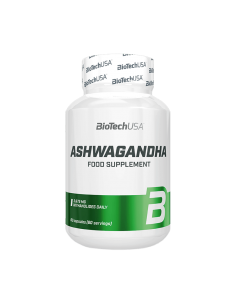
Ashwagandha
Ashwagandha is particularly well known for its traditional use in Ayurveda.
Dietary supplements frequently contain extracts made from the root.
When comparing Ashwagandha products, check:
- plant part used
- amount of extract
- extract ratio
- standardisation
- withanolide content
- recommended daily serving
Two products containing 500 mg of Ashwagandha do not necessarily contain the same formulation.
Rhodiola Rosea
Rhodiola rosea, also known as golden root or roseroot, is a plant whose root has traditionally been used.
Dietary supplements often contain standardised extracts.
It is worth looking closely at the product information.
Check which extract is used, the recommended daily serving and whether information about standardisation is provided.
Ginseng
Ginseng is one of the best-known plants used in dietary supplements.
However, not all ginseng products are the same.
Different species and extracts may be used depending on the product.
Concentration and standardisation can also vary.
When comparing products, don’t just focus on the word “Ginseng” on the front of the packaging.
Maca
Maca originates from the Andes and is now used in numerous dietary supplements.
It is available in forms including:
- Maca powder
- Maca capsules
- Maca extracts
- combination products containing Maca
The amount and processing method can differ considerably between products.
Turmeric & Curcumin
Turmeric belongs to the ginger family.
One of its best-known compounds is curcumin.
Dietary supplements may contain simple turmeric powder or concentrated extracts.
Some products also combine curcumin with other ingredients such as piperine.
Turmeric powder and a standardised curcumin extract are not automatically comparable.
Green Tea Extract
Green tea is not only consumed as a beverage but is also used as a concentrated extract in dietary supplements.
Different products may contain different amounts of specific plant compounds.
With concentrated green tea extracts, it is particularly important to follow the recommended use rather than assuming that more is automatically better.
Garlic
Garlic has long been used as a food and seasoning.
Dietary supplements containing garlic are also available in different forms, including powders and extracts.
Concentration and daily serving can vary depending on the product.
Milk Thistle
Milk thistle is a plant frequently used in dietary supplements.
One of its best-known compounds is silymarin.
When comparing products, check whether only the amount of milk thistle extract is stated or whether the silymarin content is also provided.
A large number of milligrams on the front of the packaging does not always tell you everything about the actual formulation.
Plant Extracts & Sports
Numerous plant extracts are also used in sports nutrition.
They can be found in products such as:
- pre-workout supplements
- micronutrient complexes
- evening supplements
- multivitamins
- individual plant extracts
- combination products
An exotic plant name should not automatically be considered a sign of a particularly effective supplement.
Training, nutrition, sleep and recovery remain the foundations. A plant extract cannot replace any of them.
Plant-Based Does Not Automatically Mean Free from Side Effects
A common assumption is:
“It’s plant-based, so nothing can go wrong.”
That is not correct.
Plant-based ingredients may also:
- be unsuitable for certain people
- cause unwanted effects at high doses
- interact with medicines
- be unsuitable during pregnancy or breastfeeding
- require particular caution depending on health conditions
Always follow the recommended use, even with plant-based dietary supplements.
More Plant Extract Is Not Automatically Better
High milligram amounts are often displayed prominently on supplement packaging.
They may look impressive, but they do not automatically make a product better.
When evaluating a plant extract, check:
- Which plant is used?
- Which part of the plant is used?
- Is it a powder or an extract?
- What is the extract ratio?
- Is the extract standardised?
- How much of the relevant plant compound is provided?
- What is the daily serving?
- Which other ingredients are included?
500 mg is not automatically better than 300 mg when you are comparing two completely different extracts.
What Does “Traditionally Used” Mean?
Herbs and plants are frequently described as having been used traditionally or for centuries.
This can provide interesting information about the history of a plant.
However, traditional use is not automatically the same as a scientifically proven health effect.
Tradition and scientific evidence are two different things.
We therefore avoid automatically turning traditional use into an efficacy claim for a modern dietary supplement.
What About Homeopathy?
Homeopathy and plant-based dietary supplements are often confused.
They are not the same thing.
A plant extract contains compounds from a plant in a specific amount or concentration.
Homeopathic products are based on a different preparation and dilution principle.
The term “plant-based” is therefore not synonymous with “homeopathic”.
Dietary Supplements Are Not Medicines
Herbs and plant extracts can be part of a supplementation routine.
However, dietary supplements are not medicines intended to treat or cure diseases.
If symptoms are persistent or serious, simply experimenting with different plant products is not advisable.
What Should You Look for When Buying?
When buying herbs and plant extracts, it is worth checking the complete product information.
Pay particular attention to:
- plant species
- plant part used
- powder or extract
- extract ratio
- standardisation
- amount per daily serving
- additional ingredients
- recommended use
Don’t compare products based only on their name or the largest number printed on the packaging.
Buy Herbs & Plant Extracts at Vikingstore
At Vikingstore, you’ll find various herbs, plant extracts and plant-based dietary supplements.
Depending on the current range, these may include:
- Ashwagandha
- Rhodiola
- Ginseng
- Maca
- Turmeric & Curcumin
- Green Tea Extract
- Milk Thistle
- Garlic
- other herbs and plant extracts
- plant-based combination products
Products can differ considerably in terms of plant species, extract, concentration, standardisation and recommended daily serving.
Take a close look and choose a product based on its actual formulation rather than spectacular promises.
Frequently Asked Questions About Herbs & Plant Extracts
What Is a Plant Extract?
A plant extract is obtained from specific parts of a plant. The extraction process can concentrate particular plant compounds.
What Is the Difference Between Plant Powder and Plant Extract?
Plant powder is generally produced by drying and grinding plant material. With an extract, specific compounds are extracted from the plant material and concentrated.
What Does a 10:1 Extract Ratio Mean?
In simplified terms, 10:1 means that ten parts of plant material were used to produce one part of extract.
What Does Standardised Mean?
A standardised plant extract contains a defined amount of a particular plant compound.
Are Plant-Based Dietary Supplements Automatically Safe?
No. Plant-based ingredients can also be unsuitable for certain people, cause unwanted effects or interact with medicines.
Is Homeopathy the Same as Herbal Medicine?
No. Homeopathic products and herbal products are based on different principles and should not be considered the same thing.
Are Higher Dosages Automatically Better?
No. Particularly with plant extracts, concentration, extract ratio and standardisation must be taken into account. A higher milligram amount does not automatically mean a better product.
Can Plant Extracts Replace a Balanced Diet?
No. Dietary supplements cannot replace a varied and balanced diet and a healthy lifestyle.