Digestion & Gut Health
Good digestion is important for the body to absorb and utilise nutrients from food. The stomach, intestines, digestive enzymes and numerous other processes work together to make this possible. Athletes may place additional demands on their digestive system, for example through large meals, a high protein intake or very high-calorie diets.
At Vikingstore, you’ll find various dietary supplements for digestion and gut health, including probiotics, digestive enzymes and other selected products depending on the current range.
One thing is important: not every digestive issue immediately requires a supplement. Nutrition, fluid intake, fibre and individual tolerance all play an important role.
How Does Digestion Work?
Digestion does not begin in the intestines.
Food is already broken down mechanically in the mouth and mixed with saliva. It then travels through the oesophagus into the stomach before continuing into the small and large intestines.
Various organs and substances are involved in digestion, including:
- mouth and salivary glands
- stomach
- pancreas
- liver and bile
- small intestine
- large intestine
- various digestive enzymes
One of the purposes of digestion is to break down components of our food so that nutrients can be absorbed.
What Are Digestive Enzymes?
Digestive enzymes are enzymes involved in breaking down different components of food.
The body naturally produces numerous digestive enzymes itself.
Different enzymes are involved in the digestion of different nutrients.
Well-known digestive enzymes include:
- amylases
- proteases
- lipases
- lactase
Some dietary supplements combine several enzymes in a digestive enzyme complex.
What Does Amylase Do?
Amylases are enzymes involved in carbohydrate digestion.
Carbohydrate digestion already begins in the mouth.
Depending on their diet and training phase, athletes may consume large amounts of carbohydrates. However, this does not automatically mean that additional amylase supplementation is necessary.
The human body normally produces digestive enzymes itself.
What Do Proteases Do?
Proteases are enzymes involved in protein digestion.
They help break proteins down into smaller components.
This topic is particularly relevant to bodybuilders and strength athletes because protein-rich diets are common.
However:
More protein does not automatically mean that you need more digestive enzymes from supplements.
If you tolerate protein well, a high protein intake alone is not a reason to take an enzyme complex.
What Does Lipase Do?
Lipases are enzymes involved in the digestion of fats.
Fats are an important part of our diet and provide essential fatty acids and energy, among other things.
The body normally produces the enzymes required for normal fat digestion itself.
What Is Lactase?
Lactase is a digestive enzyme that breaks down lactose – the sugar naturally found in milk.
This enzyme is particularly relevant for people who have difficulty digesting lactose.
Lactase improves lactose digestion in individuals who have difficulty digesting lactose.
The amount of lactase required can vary from person to person.
Lactose Intolerance & Sports Nutrition
Lactose is particularly relevant in sports nutrition because many products are made from milk.
These include:
- whey protein
- whey concentrate
- casein
- milk protein
- weight gainers
- protein bars
- protein shakes
The lactose content can vary considerably between products.
A whey isolate, for example, generally contains less lactose than a traditional whey concentrate. However, people with a strong intolerance should always check the specific product information.
What Are Probiotics?
Probiotics are certain live microorganisms that may be found in foods or dietary supplements.
Products may contain one or several bacterial strains.
On the packaging, you may find information about:
- bacterial species
- bacterial strains
- number of microorganisms
- daily serving
- storage
- additional ingredients
The term “probiotic” is not a quality guarantee in itself.
What matters is what the specific product actually contains.
Not All Bacterial Strains Are the Same
With probiotics, it is worth taking a closer look at the product information.
It is not always enough to look only at the name of a bacterial species.
Different products may contain different strains.
You should therefore not compare two probiotic products solely according to how many different bacteria are listed on the front of the packaging.
20 bacterial strains are not automatically better than 5.
What Do CFU Mean?
Probiotic products frequently state the number of CFU.
CFU stands for Colony Forming Units.
It is used to indicate the number of viable microorganisms capable of forming colonies.
Again, a bigger number on the packaging does not automatically make a product better.
What Is the Gut Microbiome?
A very large number of microorganisms live in the human digestive tract.
The community of these microorganisms and their genetic information is commonly referred to as the gut microbiome.
Its composition can vary considerably from person to person and is influenced by numerous factors.
These include:
- diet
- age
- lifestyle
- medications
- environmental factors
The gut microbiome is a complex field of research. Simple statements such as “add good bacteria and your gut will be healthy” should therefore be treated with caution.
The gut is considerably more complicated than many marketing claims suggest.
What Are Prebiotics?
Prebiotics and probiotics are not the same thing.
Prebiotics are certain substances that can be utilised by microorganisms.
They are often certain types of dietary fibre.
Products may contain ingredients such as inulin or other sources of fibre.
Fibre & Digestion
Dietary fibre is found in plant-based foods and is part of a balanced diet.
Good sources of fibre include:
- wholegrain foods
- vegetables
- fruit
- legumes
- nuts
- seeds
If you significantly increase your fibre intake, it may be better to do so gradually rather than overnight.
Adequate fluid intake is also important.
Digestion with a High Protein Intake
Bodybuilders and strength athletes often consume considerably more protein than the average person.
Protein sources may include:
- meat
- fish
- eggs
- dairy products
- whey protein
- casein
- protein bars
- plant-based protein sources
If you suddenly increase your protein intake significantly, you may notice changes in your digestion.
Before immediately buying a supplement, it is worth considering:
- Which protein source are you using?
- How large are your portions?
- How many meals do you eat?
- Are you drinking enough?
- How much fibre are you consuming?
- Do you actually tolerate the protein product you are using?
Sometimes protein itself is not the problem – the specific food or the amount consumed at once may be.
Whey Protein & Digestion
Not everyone tolerates every whey protein equally well.
Whey concentrate, for example, may contain more lactose than whey isolate.
Sweeteners, sugar alcohols, flavourings and other ingredients can also be tolerated differently from person to person.
If you regularly experience digestive discomfort after a protein shake, you should therefore not automatically assume that protein itself is the problem.
Checking the complete ingredient list can be useful.
Weight Gainers & Digestion
Weight gainers can provide large amounts of carbohydrates, protein and calories per serving.
Very large servings may be more difficult for some people to tolerate.
Instead of drinking one huge shake at once, it may be more comfortable to divide the amount into several smaller servings, depending on the product and your diet.
A 1,000-calorie serving is not automatically better just because there are more calories in the shaker.
Sweeteners & Sugar Alcohols
Many fitness products contain sweeteners or sugar alcohols.
Larger quantities of certain sugar alcohols in particular can cause digestive discomfort in sensitive individuals.
This can be relevant with products such as:
- protein bars
- low-carb products
- sugar-free snacks
- protein sweets
If a particular product regularly causes problems, it is worth checking the ingredient list.
Eating Large Amounts During a Bulking Phase
During a muscle-building phase, some athletes try to consume as many calories as possible.
Meals can therefore become increasingly large.
Additional calories may be necessary to achieve a planned calorie surplus.
However, this does not mean that extremely large meals are always the best solution.
Several reasonably sized meals spread throughout the day may be more comfortable for some people than a few extremely large meals.
Don’t Forget Fluid Intake
Adequate fluid intake is also part of a balanced diet.
How much fluid a person requires depends on factors including:
- body size
- activity level
- environmental temperature
- sweat loss
- diet
Athletes may have higher fluid requirements due to training and increased sweating.
Probiotics Are Not Miracle Products
Probiotic products are sometimes promoted with very broad promises.
A realistic approach is important.
A probiotic is not automatically the solution to every digestive problem.
Bloating, abdominal pain, diarrhoea or constipation can have many different causes.
Persistent or severe symptoms should therefore be properly assessed rather than simply trying one supplement after another.
“Gut Health” Is More Than a Supplement
The term gut health is used very frequently today.
This can create the impression that a single capsule can somehow “optimise” the entire digestive system.
It is not that simple.
The foundations of a balanced diet and healthy lifestyle include:
- varied nutrition
- adequate fibre intake
- sufficient fluids
- regular physical activity
- sufficient sleep
- foods that you tolerate well
A supplement can complement your diet – it cannot replace the basics.
What Should You Look for When Buying?
When choosing products for digestion and gut health, compare the actual formulation.
For probiotics, consider:
- Which microorganisms are included?
- Which strains are specified?
- How many CFU are provided per daily serving?
- How should the product be stored?
- Which additional ingredients are included?
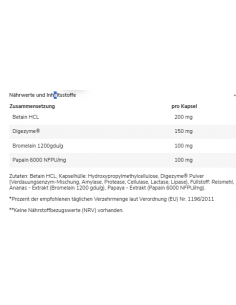
For digestive enzymes, check:
- Which enzymes are included?
- Which enzyme activities are stated?
- What is the recommended daily serving?
- When should the product be taken?
- Which additional ingredients are included?
The most impressive product name is not what matters – the actual formulation is.
Buy Digestion & Gut Health Supplements at Vikingstore
At Vikingstore, you’ll find various dietary supplements for digestion and gut health.
Depending on the current range, these may include:
- probiotics
- bacterial cultures
- digestive enzymes
- enzyme complexes
- lactase
- selected combination products
Compare products according to their ingredients, dosage, recommended daily serving and directions for use.
This makes it easier to assess which product suits your diet and individual requirements.
Frequently Asked Questions About Digestion & Gut Health
What Are Digestive Enzymes?
Digestive enzymes are enzymes involved in breaking down different components of our food. Examples include amylases, proteases and lipases.
What Does Lactase Do?
Lactase breaks down lactose. Lactase improves lactose digestion in individuals who have difficulty digesting lactose.
What Are Probiotics?
Probiotics are certain live microorganisms that may be present in specific foods or products.
What Does CFU Mean?
CFU stands for Colony Forming Units and is used to describe the number of viable microorganisms capable of forming colonies.
Are More Bacterial Strains Automatically Better?
No. A higher number of different strains does not automatically make a product better.
Are Probiotics and Prebiotics the Same Thing?
No. Probiotics refer to certain live microorganisms. Prebiotics are certain substances that can be utilised by microorganisms.
Do Athletes Need Digestive Enzymes?
Not automatically. The body produces digestive enzymes itself. A high protein or calorie intake alone does not mean that an enzyme supplement is necessary.
Can Supplements Treat Digestive Problems?
Dietary supplements are not a substitute for medical assessment. Persistent, recurring or severe digestive problems should be properly investigated.