Boxing Headgear with Nose Protection for Training and Sparring
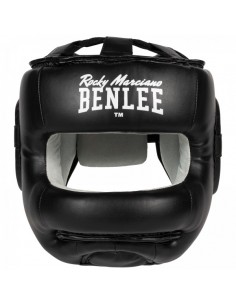
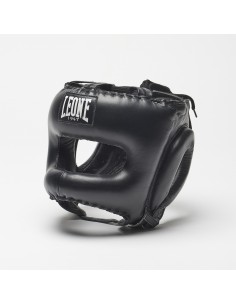
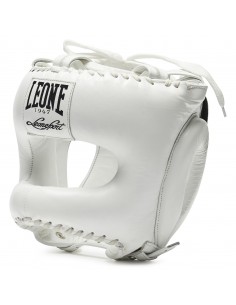
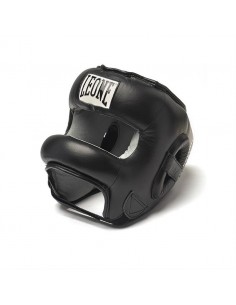
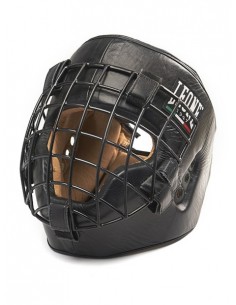
Boxing headgear with nose protection features a reinforced bar or padded structure in front of the central facial area. This design is commonly known as face saver headgear, nose bar headgear or a boxing headguard with nose protection.
The nose bar is designed to reduce direct contact between straight punches and the nose or central area of the face. Depending on the model, the rest of the headguard also pads the forehead, temples, ears, cheeks and other areas of the head.
At Vikingstore, you can find boxing headgear with nose protection for controlled training and sparring. A secure fit, sufficient space between the nose bar and your face, and a suitable field of vision are essential when choosing a model.
What is boxing headgear with nose protection?
This type of headgear has a reinforced bar positioned in front of the nose and central part of the face. The bar is securely connected to the rest of the headguard and is intended to prevent certain straight punches from making direct contact with the nose.
Depending on the model, the construction may consist of a rigid core with a padded covering or a heavily reinforced front section. The exact structure and materials vary between manufacturers.
Headgear with a nose bar is a specialised form of protective equipment for sparring. It differs significantly from open-face competition headgear and classic sparring models with cheek protection.
Which areas does face saver headgear cover?
The exact level of coverage depends on the construction of the individual model. Typical areas covered or padded include:
- Forehead and temples.
- Sides of the head.
- Ears.
- Cheeks and cheekbones.
- Nose and central facial area.
- Parts of the chin, depending on the model.
The nose bar creates an additional barrier in front of the nose, particularly against certain straight punches. Hooks, uppercuts and strikes from different angles may still reach areas of the face.
Face saver headgear is not a completely closed facial shield. It cannot guarantee protection against a broken nose, cuts, bruising or other injuries.
Who should consider nose bar headgear?
Headgear with nose protection may suit boxers who want more distance between their sparring partner’s gloves and the central facial area.
This construction may be considered for:
- Regular boxing sparring.
- Technical partner drills involving controlled head contact.
- Boxers who want additional coverage around the nose.
- Athletes with a sensitive nose or facial area.
- Training phases in which superficial facial injuries should be reduced as far as possible.
After an injury or operation, headgear must not be treated as automatic clearance to return to sparring. A qualified medical professional should determine when training can safely resume. Even headgear with a nose bar cannot reliably prevent another injury.
What are the advantages of nose bar headgear?
The main difference compared with open-face headgear is the barrier positioned in front of the nose. Depending on the model, it creates more distance between an incoming glove and the central facial area.
Possible advantages include:
- Additional coverage in front of the nose.
- Reduced direct contact from certain straight punches.
- More coverage around the cheeks and cheekbones.
- Additional padding around the forehead and temples.
- A useful option for controlled boxing sparring.
- Greater confidence for athletes with a sensitive facial area.
Its function depends heavily on the fit. If the headguard is too loose or the bar sits too close to the face, the construction cannot perform as intended.
What are the disadvantages of face saver headgear?
Additional coverage always involves compromises. Headgear with a nose bar is generally larger and heavier than an open-face model.
Possible disadvantages include:
- Restricted downward vision.
- A partially reduced peripheral field of vision.
- Higher weight.
- Increased heat around the head and face.
- Reduced airflow in front of the face.
- A larger target area.
- Movement or rotation if the size is incorrect.
- Limited suitability for clinching and ground fighting.
Do not focus solely on the amount of coverage when choosing your headgear. Clear vision and a stable fit are equally important for recognising attacks and defending actively.
Nose bar headgear or classic boxing headgear?
Classic boxing headgear is normally lighter and provides a more open field of vision. Models with cheek protection cover parts of the face while leaving the nose largely exposed.
Headgear with a nose bar provides an additional barrier in front of the central facial area. However, it is often bulkier and may have a greater effect on visibility.
The right choice depends on your priorities.
Classic boxing headgear
- Lighter and more compact.
- Usually provides better peripheral vision.
- Comfortable for movement-intensive training.
- Leaves the nose and central facial area more exposed.
Headgear with nose protection
- Provides an additional barrier in front of the nose.
- Covers more of the central facial area.
- Often includes substantial cheek and forehead padding.
- Usually weighs more and may restrict vision.
Face saver headgear can be a suitable option for controlled boxing sparring. If unrestricted movement and the widest possible field of vision are your main priorities, a classic headguard may be more appropriate.
How should nose bar headgear fit?
Correct fit is particularly important with this construction. The nose bar must not rest directly against your nose or touch your face when light pressure is applied.
Properly fitted headgear should:
- Sit evenly and securely around the head.
- Remain stable during quick head movements.
- Provide sufficient space between the nose and the protective bar.
- Allow you to open and close your mouth.
- Avoid pressure on the eyebrows, ears and cheekbones.
- Restrict peripheral and downward vision as little as possible.
- Include a chin strap that closes securely.
- Remain in position when you begin to sweat.
Put the headgear on completely and adjust every fastening. Turn your head quickly from side to side and look up and down. The headguard should move as little as possible.
Ask another person to apply light pressure from the front and sides using an open hand. The nose bar must not touch your nose. This fitting check should be carried out without punches.
How much space should there be in front of the nose?
The necessary distance depends on the shape of your face and the construction of the headgear. There must be enough space between the nose and the bar to prevent contact when light pressure is applied.
However, a larger gap is not automatically better. A bar that projects too far forward increases the overall size of the headgear, may affect visibility and creates a larger contact area for incoming gloves.
The correct model should provide a suitable balance between:
- Sufficient distance from the face.
- A secure and stable position.
- Clear peripheral vision.
- The least possible restriction when looking down.
- Comfortable weight distribution.
Face shapes vary, so not every face saver will suit every boxer. A careful fitting is particularly important with this type of headgear.
How do I choose the correct size?
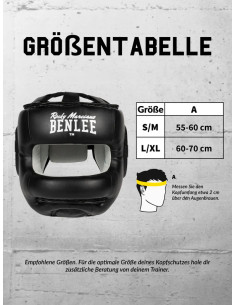
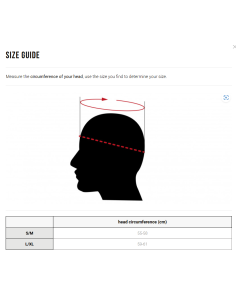
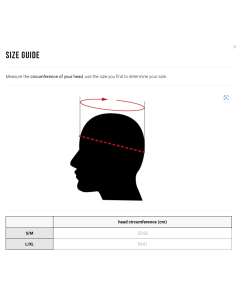
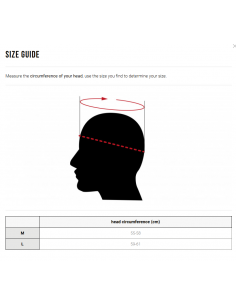
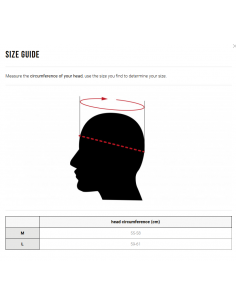
Measure your head circumference with a flexible measuring tape approximately one to two centimetres above your eyebrows. Guide the tape horizontally around the widest part of the back of your head.
Compare the measurement with the size chart for the specific product. Sizes such as S, M, L and XL are not standardised across all brands.
In addition to head circumference, consider:
- The width and length of your face.
- The shape of your forehead.
- The position of your ears.
- The length of the chin strap.
- The depth of the headguard.
- The distance between your nose and the protective bar.
Even when your head circumference matches the size chart, the model is unsuitable if the nose bar sits incorrectly in front of your face.
Boxing headgear with nose protection for sparring
This construction is mainly used for boxing sparring. The nose bar is particularly relevant for straight punches, while the surrounding padding covers the forehead, temples and cheeks.
The headgear must be combined with suitable boxing gloves. Sparring gloves generally provide more padding than competition or bag gloves. The correct weight and design depend on body weight, training format and the rules of your gym.
Punches must remain controlled even when face saver headgear is being worn. The additional coverage must not encourage training partners to punch harder or cause the wearer to neglect active defence.
Is face saver headgear suitable for kickboxing and Muay Thai?
Kickboxing and Muay Thai involve attacks from more directions than traditional boxing. Kicks, knees and clinch movements create different requirements for visibility and stability.
A wide nose bar may restrict downward vision and make it more difficult to recognise kicks or knees early. The larger construction can also interfere with clinch work.
Whether face saver headgear is suitable for kickboxing or Muay Thai depends on the specific model and training format. Discuss its use with your coach before purchasing.
A compact headguard with a more open field of vision may be more suitable for movement-intensive sessions.
Is headgear with nose protection suitable for MMA?
This construction is often only partially suitable for MMA. A protruding nose bar may interfere with clinching, takedowns and ground fighting. The headgear may shift or become caught against arms, clothing or other equipment.
Compact headguards with a smooth exterior and a wide field of vision are generally more practical for controlled MMA sparring.
Your coach and gym should determine which equipment is permitted. Only use face saver headgear for MMA if the model is suitable for this form of training and has been approved by your coach.
Do I still need a mouthguard?
Nose protection does not replace a mouthguard. Your teeth, lips and jaw still require a properly fitted mouthguard whenever the training session involves contact to the head.
Try the headgear and mouthguard together. You must be able to close your mouth, breathe sufficiently and understand instructions. The chin strap should not cut into your skin or move the headguard upwards when you open your mouth.
Depending on the sport and training format, groin protection and other protective equipment may also be required.
Can nose bar headgear prevent a broken nose?
A stable nose bar may reduce direct contact between certain punches and the nose. However, it cannot reliably prevent a broken nose or another facial injury.
A strike may shift the headgear, pass around the side of the bar or transfer force through the construction to another area. The head itself can also be accelerated by an impact.
Absolute claims such as complete facial protection or guaranteed safety are therefore misleading. Face saver headgear is an additional protective measure, not a guarantee against injury.
Can face saver headgear prevent a concussion?
No. Headgear with nose protection may reduce certain superficial injuries and limit direct contact with the nose. It cannot reliably prevent a concussion or another brain injury.
Headaches, dizziness, nausea, vision problems, memory loss, confusion or unusual tiredness after an impact must be taken seriously. Stop training and arrange an appropriate medical assessment.
Controlled sparring, suitable gloves, good defensive technique and responsible training partners remain essential.
Is nose bar headgear approved for competition?
Face saver headguards are not permitted in many competition formats. Competition rules may specify particular designs, colours, materials and certifications.
High-quality training headgear is not automatically approved for competition. Check the current regulations with your coach, event organiser or governing body before use.
Daily sparring and official competition often have very different equipment requirements.
How to clean headgear with nose protection
Sweat and moisture can collect inside the lining and around the nose bar. Clean the headgear after every training session according to the manufacturer’s care instructions.
For regular care:
- Wipe the inside and outside with a soft, slightly damp cloth.
- Clean carefully around the nose bar.
- Avoid harsh cleaning agents and strong alcohol-based products.
- Allow the headgear to dry completely in a well-ventilated place.
- Do not dry it on a radiator or in direct sunlight.
- Remove fibres and dirt from hook-and-loop fasteners.
- Do not leave damp headgear inside a closed sports bag.
For hygiene reasons, headgear should not normally be shared with other athletes.
When should the headgear be replaced?
Inspect the headguard regularly for damage and changes in its structure.
Replacement is advisable when:
- The nose bar is bent or loose.
- The bar sits closer to your face than it did previously.
- The padding is permanently compressed.
- The outer material has cracks or tears.
- Seams are damaged.
- Hook-and-loop fasteners, buckles or the chin strap no longer hold securely.
- The headgear continues to shift despite correct adjustment.
Do not attempt to bend a damaged nose bar back into shape or repair it temporarily. Altering the construction may affect the fit and function of the entire headguard.
Buy boxing headgear with nose protection in Switzerland
At Vikingstore, you can find boxing headgear with nose protection for controlled training and sparring. Choose a model that suits your head circumference, facial shape and the requirements of your gym.
Order your face saver headgear online with delivery throughout Switzerland or visit our stores in Bern and St. Gallen. We will help you find headgear with a secure fit, suitable distance from the nose and the clearest possible field of vision.