Health & Wellbeing – Using Supplements Sensibly
A balanced diet, regular physical activity, sufficient sleep and recovery form the foundation of health and wellbeing. Food supplements can complement these basics – but they cannot replace them.
At Vikingstore, you’ll find a range of vitamins, minerals, omega-3 products and other supplements for everyday life, nutrition and sports.
Just because a product is labelled “Health”, “Wellness” or “Daily” doesn’t automatically mean everyone needs it. What matters is your diet, your individual requirements and what the product actually contains.
What Are Food Supplements?
Food supplements are products intended to supplement a normal diet.
Depending on the product, they may contain:
- vitamins
- minerals
- fatty acids
- amino acids
- plant-based ingredients
- other nutrients and substances
They are available in forms such as capsules, tablets, powders, liquids and gummies.
The important word here is supplement.
A supplement cannot turn a consistently unbalanced diet into a balanced one.
Do I Actually Need Supplements?
Not automatically.
If you eat a varied and balanced diet, you don’t necessarily need a whole collection of different supplements.
Whether supplementation makes sense depends on factors such as your diet, individual requirements and the specific nutrient.
Instead of choosing a product based on which package makes the biggest health promises, check what it actually contains and at what dosage.
Vitamins – What Are They?
Vitamins are micronutrients required by the body for various functions.
They include:
- vitamin A
- various B vitamins
- vitamin C
- vitamin D
- vitamin E
- vitamin K
Individual vitamins perform different functions. Simply saying “vitamins are good for you” may sound nice, but it doesn’t tell you very much.
What matters is which vitamin is included and in what quantity.
More Vitamins Aren’t Automatically Better
One idea seems particularly difficult to get rid of when it comes to supplements:
If something is important, more of it must be even better.
Nutrition doesn’t work like that.
Especially when you use several products at the same time, individual vitamins and minerals can overlap.
A multivitamin, a sports supplement, a mineral product and perhaps a fortified drink may all contain some of the same nutrients.
That’s why it’s worth looking at all your products together.
Minerals – Small Amounts, Important Functions
Minerals are also part of a normal diet.
Well-known minerals include:
- magnesium
- calcium
- potassium
- zinc
- iron
- selenium
There is no universal answer as to which minerals everyone should supplement.
Again, don’t simply take as many different products as possible. Consider your actual diet and individual requirements.
Magnesium – One of the Best-Known Supplements
Magnesium is probably one of the most familiar mineral supplements.
Magnesium contributes to normal muscle function, normal energy-yielding metabolism and the reduction of tiredness and fatigue.
This is one reason why magnesium is particularly well known in sports nutrition.
However, that doesn’t mean every athlete automatically needs large amounts of supplemental magnesium.
Pay attention to the dosage and consider magnesium from any other supplements you use.
Not All Magnesium Products Are the Same
Magnesium supplements are available with different magnesium compounds.
Products can also differ in terms of:
- magnesium content
- serving size
- dosage form
- number of servings
- additional ingredients
Don’t simply compare the large number printed on the front of the packaging.
What matters is how much magnesium the product actually provides per recommended serving.
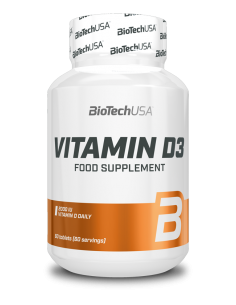
Vitamin D
Vitamin D has a particular role among vitamins.
Vitamin D contributes to the maintenance of normal bones and normal muscle function, as well as the normal function of the immune system.
Vitamin D supplements are available in different dosages and forms.
Especially with higher-dose products, however, more isn’t automatically better.
Follow the recommended intake and avoid combining several vitamin D-containing products without considering the total amount.
B Vitamins
The B-vitamin group consists of several different vitamins.
Depending on the individual vitamin, they perform different functions in the body.
Certain B vitamins contribute, for example, to normal energy-yielding metabolism or the reduction of tiredness and fatigue.
B vitamins are available individually as well as in Vitamin B Complex products.
With B-complex supplements, it’s also worth checking the actual quantities.
A product with particularly impressive percentages isn’t automatically the better product.
Vitamin C
Vitamin C is one of the best-known vitamins.
Vitamin C contributes to the normal function of the immune system and to the protection of cells from oxidative stress.
Vitamin C occurs naturally in numerous foods, particularly fruit and vegetables.
A vitamin C supplement therefore doesn’t replace the benefits of a varied diet.
Omega-3
Omega-3 fatty acids are found in various foods and supplements.
When comparing omega-3 products, don’t focus only on the large number printed on the front of the packaging.
The actual composition is more useful.
Depending on the product, you may find information about:
- amount of fish oil
- EPA
- DHA
- number of capsules
- daily serving
- additional ingredients
Two products containing the same amount of “fish oil” can therefore have very different compositions.
EPA & DHA – What Should You Look For?
With fish oil products, the actual amounts of EPA and DHA are particularly useful when comparing products.
EPA and DHA contribute to the normal function of the heart with a daily intake of 250 mg EPA and DHA.
DHA also contributes to the maintenance of normal brain function and normal vision with a daily intake of 250 mg DHA.
When comparing omega-3 supplements, don’t just look at “1000 mg fish oil” on the front. Compare the actual EPA and DHA content.
Multivitamins – Practical or Unnecessary?
Multivitamin products combine different vitamins and, in some cases, minerals in one product.
That can be convenient, but it doesn’t automatically mean everyone needs a multivitamin.
Check the amounts of individual nutrients carefully.
If you also use individual vitamins or minerals, there can quickly be overlap between products.
More supplements don’t automatically mean better nutrient intake.
Supplements for Athletes
Athletes are particularly likely to use food supplements.
However, it’s useful to distinguish between traditional sports nutrition and products intended to supplement micronutrients.
Training four times a week doesn’t automatically mean you need every vitamin and mineral as a separate supplement.
Training can influence your nutrition and individual requirements, but your overall diet should still be considered first.
Nutrition First, Supplements Second
Before buying several supplements, take a look at your normal diet.
How varied is it?
Does it regularly include:
- vegetables
- fruit
- protein sources
- carbohydrate sources
- sources of dietary fat
- a variety of foods?
Supplements should be used where they genuinely make sense – not as a substitute for food.
Supplements Don’t Replace Sleep
It sounds obvious, but it’s easily forgotten.
No vitamin product can permanently compensate for too little sleep.
No mineral automatically fixes a complete lack of recovery.
And even the most expensive “Wellness Supplement” can’t simply cancel out an unhealthy lifestyle.
Health and wellbeing depend on many factors.
Supplements are one small part – not the foundation.
Supplements Don’t Replace Physical Activity
Regular physical activity is also part of a healthy lifestyle.
That doesn’t mean you have to be in the gym every single day.
Strength training, endurance exercise, walking and everyday movement can all form part of an active lifestyle.
A capsule can’t replace physical activity any more than drinking a protein shake automatically builds muscle.
When Should You Take a Closer Look?
For certain nutrients or situations, it may make sense not to supplement simply on a guess.
If you suspect an inadequate nutrient intake or have specific requirements, professional assessment may be appropriate.
This is particularly relevant if you have symptoms or are considering very high-dose products.
Food supplements aren’t a substitute for medical diagnosis or treatment.
Be Careful with High-Dose Supplements
A high dosage doesn’t automatically make a supplement better.
The idea that:
“This product provides 1000%, so it must be better than one providing 100%.”
is far too simplistic.
The appropriate amount depends on the individual nutrient.
Pay attention to:
- daily serving
- nutrient amount per serving
- reference values
- recommended intake
- other supplements you use
Especially with vitamins and minerals, avoid randomly combining several high-dose products.
Combining Multiple Supplements
If you use several products, compare the labels.
A typical example:
You take a multivitamin, additional magnesium, a vitamin B complex and another sports supplement.
Check which nutrients appear in more than one product.
It isn’t only the individual supplement that matters – it’s the total amount from all the products you use each day.
Tablets, Capsules, Powder or Liquid?
Supplements are available in many different forms.
There is no single form that is best for everyone.
Some people find capsules convenient, while others prefer powders or liquids.
More important than the format are factors such as:
- composition
- dosage
- serving size
- intended use
- personal preference
A fancy delivery format doesn’t automatically make the contents better.
Gummies – Supplement or Sweets?
Vitamins and other nutrients are increasingly available as gummies.
They can be convenient for people who don’t like swallowing tablets or capsules.
However, they are still food supplements.
Even if they look and taste like sweets, you should follow the stated daily serving.
A handful of vitamin gummies isn’t automatically better than two.
Plant-Based Supplements
In addition to vitamins and minerals, there are many supplements containing plant-based ingredients.
With plant extracts, don’t automatically assume that “natural” means you can take as much as you want.
Pay attention to:
- plant ingredients
- extract quantities
- recommended daily serving
- additional ingredients
- manufacturer warnings
A picture of a plant on the packaging doesn’t replace reading the ingredient list.
Using Supplements in Everyday Life
Supplementation should ideally remain straightforward.
You don’t necessarily need ten capsules in the morning, five different powders at lunchtime and an entire supplement drawer in the evening.
Ask yourself one simple question about every product:
Why am I actually taking this?
If you don’t have a reasonable answer, it may be worth reconsidering whether the product is genuinely useful for your diet.
What Does NRV Mean?
Many supplement labels show percentages for the vitamins and minerals they contain.
NRV stands for Nutrient Reference Value and provides a reference value for the daily intake of certain nutrients.
These percentages can help you put the quantity in context.
However, a value of several hundred percent doesn’t mean the product is several hundred percent better.
How Do I Compare Supplements?
Don’t focus only on the product name and advertising.
Instead, compare:
- ingredients
- amounts per daily serving
- recommended intake
- number of servings
- dosage form
- possible overlaps with other products
- price per serving
Especially with vitamins and minerals, comparing the actual quantities can tell you far more than the big marketing claims on the front of the packaging.
Common Mistakes with Supplements
Some mistakes are particularly common:
- using several similar products at the same time
- not comparing dosages
- exceeding the recommended daily serving
- treating supplements as a substitute for a balanced diet
- assuming high-dose automatically means high-quality
- only reading the front of the packaging
- forgetting ingredients from other supplements
The basic rule is simple:
Read the label, check the dosage and don’t randomly combine everything.
Health & Wellbeing at Vikingstore
At Vikingstore, you’ll find vitamins, minerals, omega-3 and other food supplements for nutrition, everyday life and sports.
We don’t want to promise you miracle effects.
A supplement can be a useful addition to your diet, but it cannot replace a balanced diet, physical activity, sufficient sleep and an overall sensible lifestyle.
It therefore makes sense to choose products carefully and compare their actual ingredients and dosages.
Supplement what makes sense for you – not simply everything that fits inside a capsule.
Frequently Asked Questions About Vitamins & Supplements
Do I Need Food Supplements?
Not automatically. Whether a supplement makes sense depends on factors such as your diet, individual requirements and the specific nutrient.
Are High-Dose Vitamins Better?
No. A higher dosage doesn’t automatically mean a better product. The appropriate amount depends on the individual vitamin or mineral.
Can I Take Several Supplements at the Same Time?
That depends on the products. Pay particular attention to whether the same vitamins or minerals are included in several supplements.
Do Athletes Need More Vitamins?
Being physically active doesn’t automatically mean every vitamin needs to be supplemented. Your overall diet and individual requirements are what matter.
What Is Magnesium Important For?
Magnesium contributes to normal muscle function, normal energy-yielding metabolism and the reduction of tiredness and fatigue.
What Is Vitamin D Important For?
Vitamin D contributes to the maintenance of normal bones and normal muscle function, as well as the normal function of the immune system.
What Should I Look for in Omega-3 Supplements?
With fish oil products, it’s particularly useful to compare the actual amounts of EPA and DHA per daily serving rather than looking only at the total amount of fish oil.
Is a Multivitamin Necessary?
Not automatically. A multivitamin can combine several nutrients in one product. Whether you need additional amounts of those nutrients depends on your diet and individual requirements.
Can Supplements Compensate for a Poor Diet?
No. Food supplements are intended to supplement the diet, not replace a consistently unbalanced diet.
What Should I Consider When Buying Supplements?
Compare the ingredients, dosages, daily servings and possible overlaps with other products. Always follow the recommended intake for the individual product.