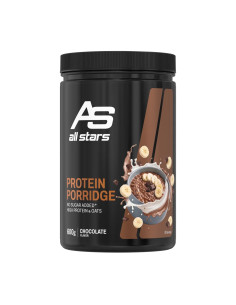
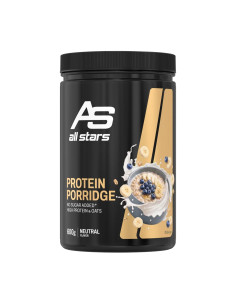
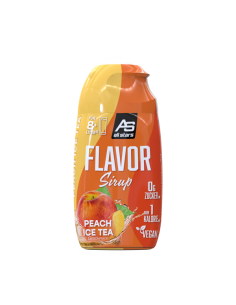
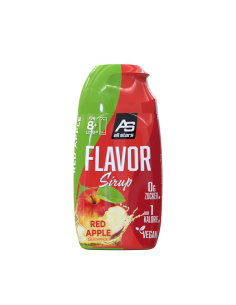
Fitness Food, Low Carb & Superfoods
Fitness food doesn’t have to be boring, nor does it have to consist of overpriced “healthy” products with impressive marketing. What really matters is what’s actually inside. High-protein foods, reduced-calorie sauces, low-carb products, baking mixes, flavour products and selected superfoods can be practical additions to your daily diet – depending on your individual goals.
At Vikingstore, you’ll find a selection of fitness food, low-carb foods, high-protein products and superfoods for different diets and goals.
We prefer looking at nutritional values and ingredients rather than relying on big fitness claims on the packaging.
What Is Fitness Food?
“Fitness food” is not a clearly defined food category.
The term is generally used for foods that may be particularly interesting for a fitness-oriented diet because of their nutritional composition.
These may include:
- high-protein foods
- reduced-sugar products
- low-carb products
- reduced-calorie sauces
- protein snacks
- baking mixes
- flavour products
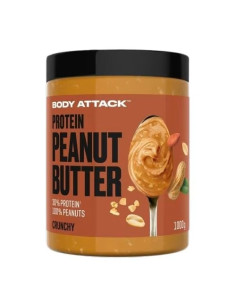
- nut and protein spreads
- selected superfoods
Whether a product actually suits your diet is not determined by the word “fitness” on the packaging.
A fitness label alone doesn’t automatically make a product a good choice.
What Does Low Carb Mean?
Low carb literally means low in carbohydrates.
With a low-carb diet, carbohydrate intake is reduced compared with a conventional diet.
How much it is reduced can vary considerably.
There is therefore no single, universally defined low-carb diet.
If you want to reduce carbohydrates, you should still consider your diet as a whole rather than simply replacing individual products.
Low Carb Does Not Automatically Mean Low Calorie
This is often confused.
A food can be low in carbohydrates while still containing plenty of calories.
Nuts and nut butters are a good example. They may contain relatively few carbohydrates but can provide a considerable amount of energy due to their fat content.
Therefore:
Low Carb ≠ Low Calorie.
If your goal is weight loss, total energy intake matters as well as carbohydrate intake.
What Does High Protein Mean?
Many fitness foods are now labelled High Protein.
Protein contributes to the growth and maintenance of muscle mass.
High-protein foods can therefore be particularly convenient for athletes who want to meet their daily protein requirements through their diet.
Examples include:
- high-protein muesli
- protein pancakes
- protein spreads
- protein snacks
- protein bars
- high-protein baking mixes
However, it is still worth checking the nutritional information.
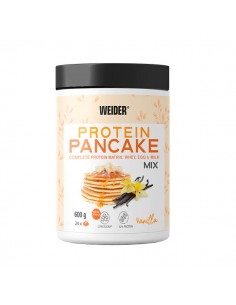
Protein Pancakes & Baking Mixes
Protein pancakes and fitness baking mixes are convenient when you want something quick and easy.
Depending on the product, you may only need to add water or a few additional ingredients.
When comparing products, check:
- protein per serving
- carbohydrates
- sugar
- fat
- calories
- serving size
- ingredients
“Protein Pancake” on the front of the package doesn’t tell you how much protein the finished product actually contains.
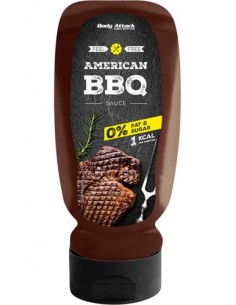
Reduced-Calorie Sauces & Dips
Sauces can provide a surprising number of calories.
Traditional mayonnaise, creamy dressings and sugar-rich sauces in particular can significantly change the energy content of a meal.
Reduced-calorie alternatives can therefore be useful if you want to save calories without completely giving up sauces or dressings.
Taste and ingredients still matter.
A sauce with fantastic nutritional values on paper is not particularly useful if you don’t enjoy eating it.
Flavour Products
Flavour powders can be used to add flavour to foods such as:
- low-fat quark
- Skyr
- yoghurt
- porridge
- protein shakes
- baked goods
- desserts
Many products provide only small amounts of sugar or calories per serving.
They can be particularly useful for adding variety during a calorie-controlled diet.
Sugar-Free Does Not Automatically Mean Calorie-Free
It is worth taking a closer look at the packaging.
“Sugar-free”, “no added sugar” and “calorie-free” do not mean the same thing.
A product with no added sugar may still contain naturally occurring sugars.
A sugar-free food may also provide energy from fat, protein or other carbohydrates.
Always check the nutritional information rather than relying solely on claims on the front of the packaging.
Sweeteners & Sugar Substitutes
Many fitness and low-carb products contain sweeteners or sugar substitutes.
Depending on the product, different sweeteners or polyols may be used.
Individual tolerance can become relevant, particularly when larger quantities of certain sugar alcohols are consumed.
So here too:
More is not automatically better.
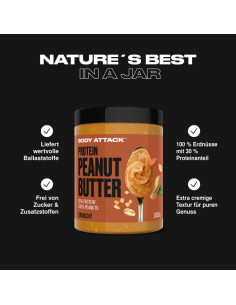
Protein Spreads
Protein spreads are a popular alternative to conventional sweet spreads.
They may contain more protein and, depending on the product, have a different sugar content.
However, this does not automatically make them low in calories.
Many spreads contain fat and can therefore still have a relatively high energy density.
Compare:
- calories
- protein
- sugar
- fat
- serving size
Fitness Muesli
Muesli products can differ significantly in their composition.
Some contain more protein, while others contain more nuts, fruit or cereals.
There is no universally “good” or “bad” muesli.
What matters is whether the product suits your diet.
Pay particular attention to portion size. The amount actually eaten is often larger than the example serving stated on the packaging.
Fitness Snacks & Sweets
A fitness-oriented diet doesn’t have to consist exclusively of chicken, rice and broccoli.
Protein snacks, reduced-sugar sweets and other fitness foods can provide some variety.
However:
A protein snack is still a snack.
Just because it contains protein doesn’t mean you can completely ignore calories, fat and sugar.
What Are Superfoods?
“Superfood” is primarily a marketing term rather than a specific scientific food category.
The term is often used for foods promoted because of their natural nutritional composition.
Examples may include certain:
- seeds
- berries
- plant powders
- algae
- herbs
- nuts
Many of these foods can certainly form part of a varied diet.
However, you don’t need exotic superfoods to eat a balanced diet.
Blueberries don’t suddenly become less nutritious just because the packaging doesn’t say “SUPERFOOD”.
Superfoods Are Not Miracle Foods
Superfoods are sometimes promoted with very ambitious claims.
From “detox” and “fat burning” to supposed therapeutic effects, you can find almost every promise imaginable.
We prefer a more realistic approach.
A single food cannot compensate for a generally poor diet.
The overall diet matters much more.
Fitness Food for Weight Loss
Fitness foods can be practical during a calorie-controlled diet.
Reduced-calorie sauces or certain reduced-sugar products, for example, may help reduce overall calorie intake.
However, a single “diet food” does not determine whether you lose weight.
For body weight to decrease, total energy intake needs to remain below energy expenditure over time.
You can still consume too many calories with low-carb products.
Fitness Food for Muscle Building
Priorities are different during a muscle-building phase.
High-protein foods, energy-dense spreads, muesli and other practical products can help add variety to your diet.
The fundamentals remain important:
- sufficient energy intake
- appropriate protein intake
- carbohydrates according to training and diet
- sufficient fat intake
- micronutrients
- fluids
A single fitness food does not build muscle.
Training, nutrition and recovery need to work together.
How to Compare Nutritional Values
When comparing fitness foods, don’t focus only on the large numbers printed on the front of the packaging.
The nutritional information is more useful.
Whenever possible, compare values per 100 g or 100 ml.
This makes it much easier to compare different products.
Pay particular attention to:
- energy/calories
- fat
- saturated fat
- carbohydrates
- sugars
- protein
- salt
- fibre, where stated
Then consider how large your actual serving will be.
Don’t Forget the Ingredient List
Nutritional values only tell part of the story.
The ingredient list is also worth checking.
Ingredients are generally listed according to their proportion by weight.
Ingredients appearing near the beginning therefore make up a larger proportion of the product than those listed towards the end.
This can be particularly useful when comparing similar products.
Which Products Suit My Goal?
Weight Loss
Products that may be useful include:
- reduced-calorie sauces
- flavour products
- high-protein foods
- portion-controlled snacks
Muscle Building
Depending on your diet, useful options may include:
- high-protein foods
- muesli
- protein spreads
- higher-calorie fitness foods
- convenient snacks
Low-Carb Diet
Here the focus is more strongly on foods with a reduced carbohydrate content.
However, total calories and overall nutritional composition still matter.
Simply Eating More Consciously
You don’t have to be a bodybuilder or follow a specific diet.
Many products can simply provide practical alternatives to conventional foods.
Do I Actually Need Special Fitness Foods?
No.
You can absolutely eat a balanced diet without buying special fitness products.
Fitness food is primarily about convenience.
It can make it easier to incorporate certain nutritional values into your diet or replace conventional foods with alternatives that better suit your goals.
That doesn’t mean you need a cupboard full of specialist products to follow a fitness-oriented diet.
What Should I Look for When Buying Fitness Food?
We recommend not choosing products based solely on marketing terms.
Check:
- ingredients
- nutritional values
- protein content
- sugar
- fat
- calories
- serving size
- individual tolerance
- taste
- price per serving
The best fitness food isn’t the product with the most spectacular packaging – it’s one that actually fits your diet and tastes good.
Buy Fitness Food, Low Carb & Superfoods at Vikingstore
At Vikingstore, you’ll find a selection of fitness foods, low-carb products and superfoods.
Depending on the current range, these may include:
- protein pancakes and baking mixes
- bread and protein spreads
- flavour products
- sweeteners
- fitness muesli
- oils and fats
- reduced-calorie sauces and dips
- protein snacks
- reduced-sugar products
- superfoods
Whether your goal is muscle building, weight management, low carb or simply adding more variety to your fitness kitchen, compare ingredients and nutritional values to find products that genuinely suit your diet.
Frequently Asked Questions About Fitness Food, Low Carb & Superfoods
What Does Low Carb Mean?
Low carb describes a diet with a reduced carbohydrate intake. The degree of carbohydrate restriction can vary depending on the particular diet.
Is Low Carb Automatically Low in Calories?
No. A food can be low in carbohydrates while still containing a high number of calories.
What Does High Protein Mean?
High protein refers to foods or products with a high protein content. Specific legal requirements apply to the use of this nutrition claim.
Are Protein Spreads Low in Calories?
Not automatically. Due to their fat content, protein spreads can still provide a considerable number of calories.
What Are Superfoods?
“Superfood” is not a clearly defined scientific food category. The term is primarily used in marketing for certain foods with an interesting nutritional composition.
Are Superfoods Necessary?
No. A varied and balanced diet is perfectly possible without special superfoods.
Are Sugar-Free Products Calorie-Free?
No. Sugar-free does not automatically mean calorie-free. A product may still provide energy from fat, protein or other nutrients.
Is Fitness Food Only for Athletes?
No. Fitness foods can also be useful for people who pay attention to particular nutritional values or simply want alternatives to conventional foods.
Can I Automatically Lose Weight with Low-Carb Products?
No. Total energy intake can still exceed energy expenditure when eating low-carb products. Overall energy balance plays an important role in changes in body weight.