Kickboxing equipment
A wide variety of equipment is required in kickboxing.
On the one hand, we differentiate between equipment for kickboxing training and kickboxing competitions and, on the other, general protective equipment.
Protective equipment can greatly minimise or completely rule out injuries in advance. It is therefore essential to wear the correct protective equipment.
The following items should be purchased for normal training:
Skipping rope
Shorts or long (wide) sports trousers
T-shirt (breathable)
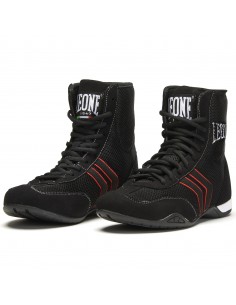
Shoes
Boxing gloves
Bandages
The skipping rope is required for kickboxing warm-up training. Jumping rope is one of the best exercises for building stamina and endurance. In boxing and professional boxing, jumping rope has become an indispensable part of training.
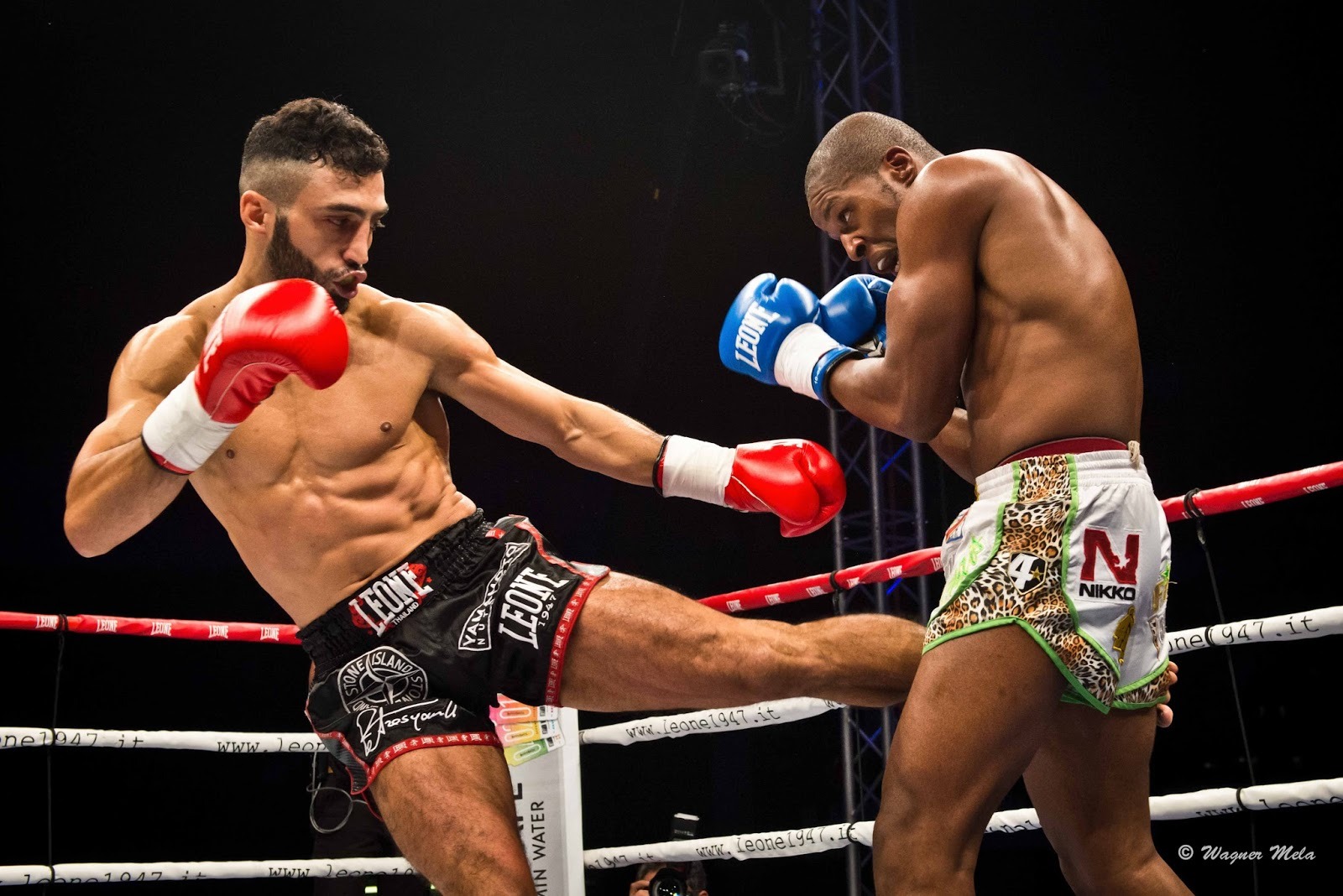
Boxing gloves are of course absolutely essential for kickboxing. Boxing gloves come in different weights and weights in ounces (OZ is the abbreviation for this). In kickboxing training, gloves of any weight can be used (10 Oz - 16 Oz), whereby the heavier gloves (from 14 Oz) naturally train the arms and shoulders better. In competitions, 10-oz gloves are generally prescribed and only certain brands are permitted (z.b. Windy, Paffensport, Twins and others)
Bandages are wrapped around the hands. On the one hand they serve as protection for the hands and bones, and on the other hand they absorb sweat so that the boxing gloves do not immediately smell unpleasant.
Protective equipment in kickboxing includes (for sparring or competition)
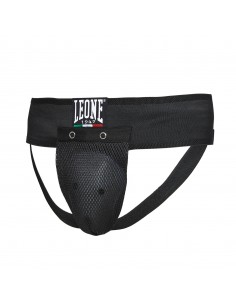
Groin guard
Shin - foot protection
Mouth guard
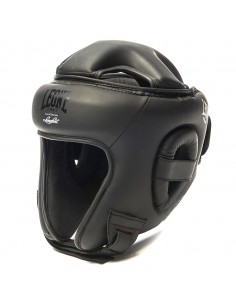
Head protection
Chest protection for women
The groin guard is one of the most important pieces of protective equipment in kickboxing. Unintentional kicks to the genital area are extremely painful. Always make sure that your opponent's leg does not slip under your own leg.
Shin guards, preferably with integrated instep protection or foot protection, are necessary to be able to fend off the powerful kicks of the opponent or to be able to hit harder yourself without causing enormous pain.
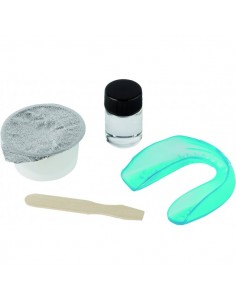
The mouthguard or mouthguard is used to protect the lips and teeth, which could otherwise be damaged very quickly by blows to the face. With a mouthguard, the mouth must always be kept closed during the fight or training, otherwise it will fall out.
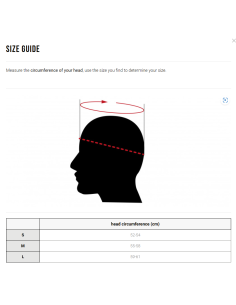
Head protection is initially worn in sparring by kickboxing beginners, for whom cover is not yet quite as good. Advanced fighters also like to wear head protection for safety during harder sparring sessions to minimise or prevent injuries














Comments (0)