

Shopping Cart
There are no more items in your cart

Savate: French Boxing - Rules, Techniques and Equipment Explained
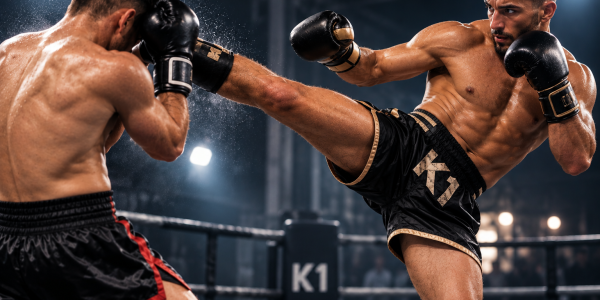
Savate, also known as Savate Boxe Française or French Boxing, is a traditional French combat sport combining punches and kicks. At first glance, Savate may look similar to kickboxing. Look more closely, however, and there are significant differences in technique, rules and, most noticeably, footwear.
Read more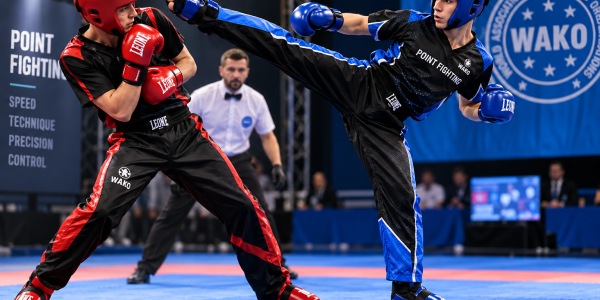
Point Fighting: Rules, Equipment and Differences Explained
Point Fighting is one of the fastest and most technical disciplines in kickboxing. Instead of relying on maximum punching power, fighters need speed, precision, excellent timing and controlled techniques. After a valid scoring technique, the action is stopped briefly before the fight continues – creating the explosive rhythm that makes Point Fighting so distinctive
Read more
Cauliflower Ear in BJJ: Causes, Treatment and Prevention
Cauliflower ears are among the most recognisable signs associated with grappling, wrestling and Brazilian Jiu-Jitsu. Some athletes almost consider them a badge of honour earned through years on the mats. From a medical perspective, however, cauliflower ear is not a sign of exceptional fighting experience. It is a permanent deformation of the ear cartilage. The problem often begins quietly. After training, the ear may feel tender, slightly swollen or unusually soft. Continuing to train and ignoring the injury can result in a permanently thickened and deformed ear. In this guide, we explain how cauliflower ear develops, which warning signs you should take seriously and how you can protect your ears during BJJ.
Read more
Judo vs BJJ: What Is the Difference?
Judo and Brazilian Jiu-Jitsu, commonly known as BJJ, share the same roots and are both often practised in a gi. Despite these similarities, the two martial arts are clearly different. Judo focuses primarily on powerful throws and stand-up fighting, while BJJ places much greater emphasis on groundwork. So, which martial art is right for you? And how do the gis and belt systems differ? This guide explains the most important differences between Judo and BJJ in simple terms.
Read more
Collagen for Athletes: Useful or Just Expensive Protein Powder?
Collagen powder is no longer marketed exclusively as a beauty product. Today, collagen supplements are also promoted to athletes, strength trainees and combat sports enthusiasts – for joints, cartilage, tendons, ligaments, skin and even muscle growth. It almost sounds too good to be true: one powder for half the body. That is exactly why it is worth taking an honest look behind the marketing. Collagen can be an interesting supplement, but it is neither a miracle product nor a replacement for proper training, sufficient protein or a balanced diet.
Read more
Boxing Gloves for Wide Hands: Which Models Really Fit?
You put on a new pair of boxing gloves and can barely get your hands inside? Your fingers feel squeezed together, and once you add hand wraps, the gloves become even tighter? The problem isn't necessarily the number of ounces. Often, the cut of the boxing glove simply doesn't suit your hand shape.
Read more
Why Do Some Boxing Gloves Feel Tighter Inside? - Fit, Hand Compartment & Brand Differences
You try on two pairs of boxing gloves with the same OZ rating – yet one feels comfortably snug while your hand has noticeably more room inside the other. Many beginners are surprised by this. After all, 10 OZ, 12 OZ, 14 OZ and 16 OZ are often presented by retailers almost as if they were different glove sizes.
Read more
Why Muay Thai Gloves Are Cut Differently from Boxing Gloves
At first glance, traditional boxing gloves and Muay Thai gloves look very similar. Both are available in sizes such as 10, 12, 14 or 16 oz, both protect your hands and training partners, and both can be used on the heavy bag, pads and during sparring.
Read more