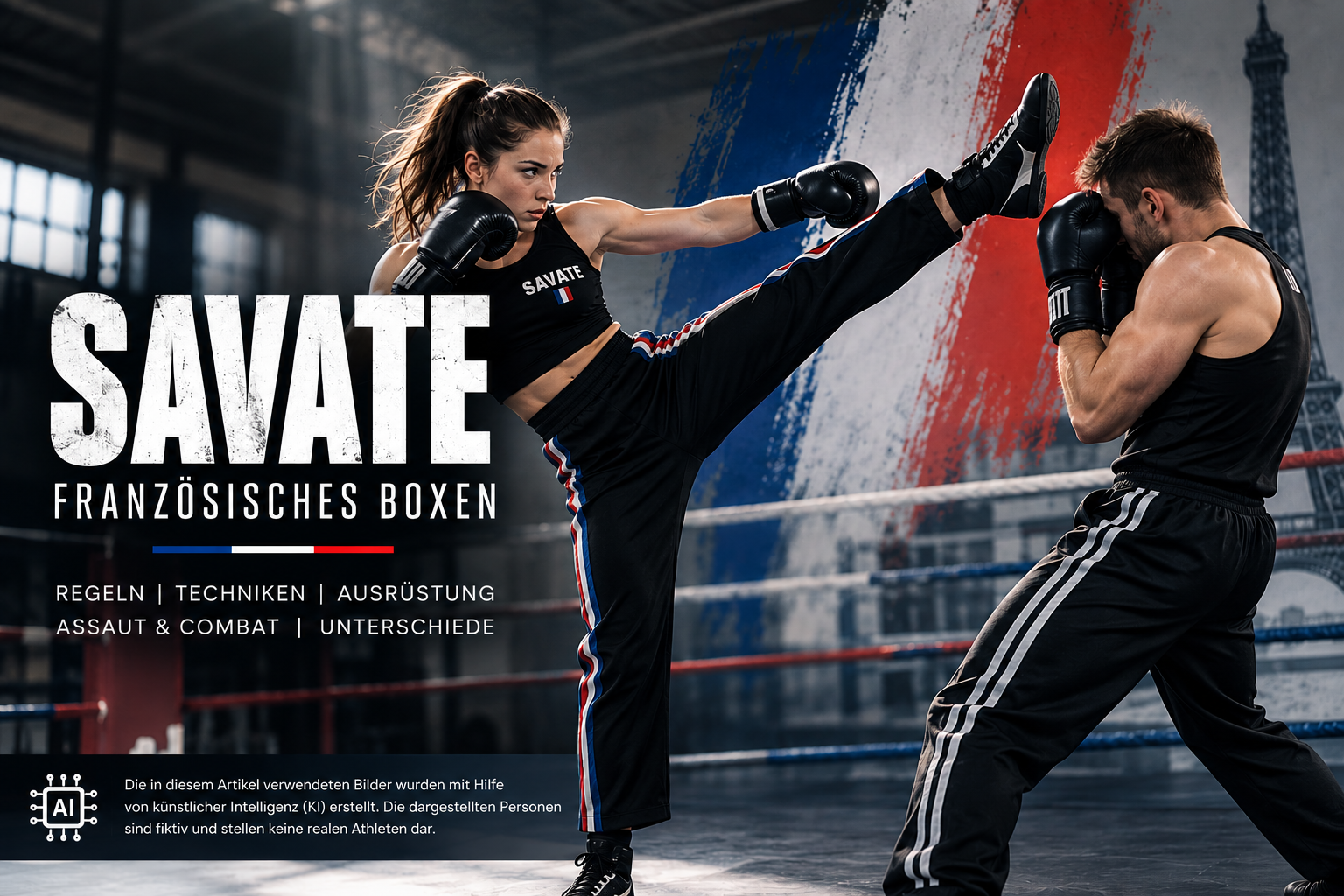
Savate, also known as Savate Boxe Française or French Boxing, is a traditional French combat sport combining punches and kicks. At first glance, Savate may look similar to kickboxing. Look more closely, however, and there are significant differences in technique, rules and, most noticeably, footwear.
In Savate, shoes are not simply part of the uniform. They are closely connected to the kicking techniques used in the sport. Combined with precise boxing techniques, fast footwork and excellent distance management, this gives Savate its distinctive fighting style.
But where does Savate come from? How is French Boxing different from kickboxing and Muay Thai? Which techniques are allowed, and what equipment do you need? In this guide, we take a closer look at this fascinating European combat sport.
What is Savate?
Savate is a French combat sport that combines punching and kicking techniques under its own technical rules.
Its full name is Savate Boxe Française, although it is also commonly referred to simply as Savate or French Boxing.
While Savate shares some similarities with kickboxing, it is an independent martial art and combat sport with its own history, characteristic techniques and competition rules.
One of its most obvious features is the footwear. While kickboxers and Muay Thai fighters generally compete barefoot, Savate fighters wear shoes.
Where does Savate come from?
The roots of Savate can be traced back to France in the late 18th and early 19th centuries.
Originally, kicking techniques played a particularly important role. During the 19th century, the system gradually developed into a more structured combat sport.
An important figure in its development was the French martial artist Charles Lecour. He studied English boxing and combined its punching techniques with existing French kicking techniques.
This contributed to the development of Boxe Française, which was subsequently refined, regulated and organised as a sport.
Savate therefore has a long and distinctive European martial arts tradition.
What does Savate mean?
The French word “savate” originally refers to an old or worn shoe or slipper.
That is surprisingly appropriate for the modern sport, as footwear remains one of its most recognisable characteristics.
Savate is sometimes described rather simply as “French kickboxing with shoes”. While this gives beginners a rough idea of what the sport looks like, it does not really reflect its technical depth.
Why do Savate fighters wear shoes?
Footwear is one of the defining characteristics of Savate.
In traditional kickboxing and Muay Thai, athletes normally fight barefoot. Savate fighters, on the other hand, wear shoes.
This is not simply a matter of tradition.
Different kicking techniques use defined parts of the foot and shoe. Footwear is therefore directly connected to the technical system of the sport.
Savate shoes should not simply be considered ordinary trainers or conventional boxing shoes.
If you are looking specifically for equipment for this discipline, you can find suitable products in our Savate equipment category.
For official competition, always check the current requirements of the relevant federation regarding footwear and other equipment.
Which techniques are used in Savate?
Savate combines boxing punches with a technically diverse system of kicking techniques.
Characteristic Savate kicks include:
- Fouetté
- Chassé frontal
- Chassé latéral
- Revers frontal
- Revers latéral
- Coup de pied bas
Hand techniques include punches that will be familiar from boxing, such as:
This combination explains why Savate can sometimes look like a mixture of boxing and kickboxing.
However, it would be inaccurate to describe Savate simply as the French version of kickboxing. The execution of the kicks, permitted striking surfaces and competition rules give the sport its own distinctive character.
Savate vs Kickboxing: What is the difference?
Savate and kickboxing both combine punching and kicking, but there are significant differences in technique, rules and equipment.
The most obvious difference is footwear.
Savate fighters wear shoes, whereas traditional kickboxing is normally practised barefoot.
The technical repertoire also differs. Savate includes characteristic kicks with clearly defined methods of execution and striking surfaces.
Movement is another important element. Distance management, precision, fast footwork and technically clean attacks play a major role in Savate.
Kickboxing has its own rules and competition disciplines. Permitted techniques can also vary according to the federation and type of competition.
In short: An experienced kickboxer will already have many useful skills, but Savate is not simply kickboxing with shoes.
Savate vs Muay Thai: What is the difference?
The differences become even more obvious when comparing Savate with Muay Thai.
In addition to punches and kicks, Muay Thai traditionally makes extensive use of knee and elbow techniques as well as clinch work, depending on the applicable rules.
Savate focuses on its own system of punching and kicking techniques.
The kicks themselves are also different.
In Muay Thai, for example, a powerful roundhouse kick delivered with the shin is one of the fundamental weapons. Savate instead uses its own kicking techniques and defined striking surfaces.
Watch a Muay Thai fight and a Savate bout side by side and you will quickly see two very different fighting styles.
Assaut and Combat: The two competition formats in Savate
An important feature of Savate Boxe Française is the distinction between Assaut and Combat.
Savate Assaut
In Assaut, control, technical quality and precision are the main priorities.
Techniques must be controlled. Striking power should not determine the winner.
However, this does not mean that Assaut is simply slow technical sparring. Speed, timing, distance management, clean technique and tactical ability can all be displayed at a very high level.
Savate Combat
In Combat, the effectiveness and power of techniques play a much greater role, and powerful strikes are permitted.
In addition to technique, precision and tactics, the physical effectiveness of the fighter's attacks therefore becomes more important.
When watching Savate online, it is worth checking which format you are seeing. A technical Assaut bout can look very different from high-level Savate Combat.
What equipment do you need for Savate?
The Savate equipment you need depends on whether you are training recreationally or preparing for official competition.
Typical equipment includes:
- Boxing gloves
- Hand wraps
- Mouthguard
- Groin protection or appropriate protective clothing
- Special Savate shoes
- Training or competition clothing
- Additional protective equipment depending on the type of training or competition
You can find a selection in our dedicated Savate equipment category.
Official competitions are subject to the rules of the relevant federation. Particularly when buying shoes and competition equipment, check what is actually approved or required before purchasing.
Which boxing gloves are suitable for Savate?
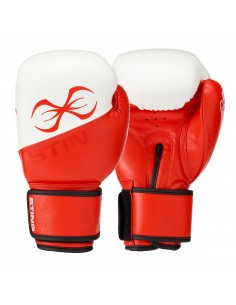
Boxing gloves are one of the most important pieces of Savate equipment.
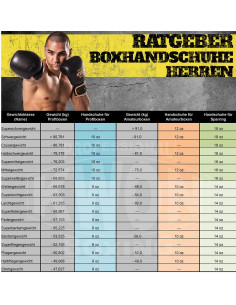
The right gloves depend partly on how you train. Technical drills, partner work, pad training and heavy bag training can place different demands on your gloves.
At Vikingstore, you can find a wide selection of boxing gloves for beginners, regular training and experienced combat sports athletes.
If you already train at a Savate club, ask your coach which glove weight in OZ and which type of glove they recommend or require for your training.
Official competitions are subject to the relevant federation regulations.
Are regular boxing shoes suitable for Savate?
Regular boxing shoes are not automatically Savate shoes.
Boxing shoes are primarily designed for the demands of traditional boxing. Savate places different demands on footwear because the shoes are involved in the kicking techniques.
For conventional boxing training, you can find a selection of boxing and combat sports shoes at Vikingstore.
If you specifically train Savate, however, you should choose footwear that meets the requirements of the sport. If in doubt, ask your coach or club which model is appropriate.
This is particularly important for competition.
We would rather sell you the right product than recommend any shoe simply because it says “combat sports” on the label.
Is Savate good for self-defence?
Savate develops several skills that can also be useful outside sporting competition.
These include:
- Distance management
- Fast footwork
- Reaction speed
- Punching techniques
- Kicking techniques
- Coordination
- Performing under pressure
Savate Boxe Française today, however, is primarily a regulated combat sport.
Anyone specifically interested in self-defence should distinguish between a competition sport and a system designed primarily for practical self-defence.
Within the wider Savate system, Savate Défense also exists as a separate discipline with a stronger self-defence focus.
Is Savate suitable for beginners?
Yes. Savate can be learned by beginners.
At first, training focuses on developing a good stance, footwork, distance management and correct execution of the fundamental punching and kicking techniques.
Some of the characteristic kicks require coordination, mobility and practice.
Nobody needs to master them during their first training session.
A good Savate club will introduce techniques progressively and adapt training to the athlete's experience level.
Is Savate good for boxers?
Savate can be particularly interesting for boxers because existing skills such as footwork, distance management, defence and punching technique provide a useful foundation.
The additional challenge is learning to use and defend against kicks.
A boxer must learn not only to react to an opponent's hands, but also to recognise kicks, defend against them and use kicking techniques themselves.
Stance and fighting distance also need to be adapted accordingly.
Conversely, Savate athletes can benefit considerably from technically strong boxing skills.
Is Savate practised outside France?
Yes. Although Savate is closely associated with France, the sport is now practised internationally.
International federations and competitions exist at both European and world level.
France remains the historical and cultural centre of Savate, but the sport is by no means limited to France today.
Clubs and athletes in other countries also practise Savate Boxe Française and participate in competition.
Common misconceptions about Savate
“Savate is just kickboxing with shoes.”
No. Shoes may be the most obvious difference, but Savate has its own techniques, rules and tactical characteristics.
“Savate is only light contact.”
No. Assaut focuses on controlled techniques and technical quality, while Combat allows powerful techniques.
“Savate fighters simply wear normal trainers.”
Not necessarily. Footwear is part of the technical system of the sport. Competition requirements in particular must be taken into account.
“Savate only uses kicks.”
No. Savate Boxe Française combines boxing punches with kicking techniques.
“Savate and Muay Thai are basically the same.”
No. Although both use punches and kicks, their technical and tactical systems differ significantly. Knees, elbows and the characteristic clinch work of Muay Thai, for example, are not part of the classic technical repertoire of Savate Boxe Française.
FAQ about Savate
What is Savate in simple terms?
Savate, or Savate Boxe Française, is a French combat sport that combines punching and kicking techniques. One of its most distinctive features is the use of special shoes.
Is Savate the same as kickboxing?
No. Both sports combine punches and kicks, but Savate has its own technical system, competition rules and characteristic footwear.
Why do Savate fighters wear shoes?
Shoes are part of Savate's technical tradition and rules.






Comments (0)