Collagen powder is no longer marketed exclusively as a beauty product. Today, collagen supplements are also promoted to athletes, strength trainees and combat sports enthusiasts – for joints, cartilage, tendons, ligaments, skin and even muscle growth.
It almost sounds too good to be true: one powder for half the body. That is exactly why it is worth taking an honest look behind the marketing. Collagen can be an interesting supplement, but it is neither a miracle product nor a replacement for proper training, sufficient protein or a balanced diet.
The Short Answer: What Does Collagen Really Do?
Collagen is a structural protein and an important component of the skin, bones, cartilage, tendons and ligaments. Most supplements contain hydrolysed collagen that has already been broken down into smaller collagen peptides.
Current research provides some interesting and partly positive findings. However, the evidence is not equally convincing in every area:
- Skin studies suggest possible improvements in hydration and elasticity.
- There are positive indications for joints and heavily loaded connective tissue, but no guaranteed results.
- The combination of collagen, vitamin C and targeted loading exercises is being investigated for tendons.
- Whey protein is considerably more suitable for directly supporting muscle growth.
- Collagen does not replace strength training, physiotherapy or medical treatment.
In short, collagen can be useful depending on your goal. However, you should understand which product you are buying and what you can realistically expect from it.
What Is Collagen?
Collagen is the most abundant protein in the human body. It forms strong fibres that provide structure and resilience to different tissues. Particularly high amounts of collagen are found in:
- Skin
- Bones
- Cartilage
- Tendons
- Ligaments
- Connective tissue
However, not all collagen is the same. Numerous collagen types are known, but types I, II and III are the ones most commonly found in supplements.
Type I Collagen
Type I is especially common in the skin, bones, tendons and ligaments. Many collagen powders obtained from cattle or fish mainly provide type I collagen.
Type II Collagen
Type II is an important component of joint cartilage. It is frequently used in products developed specifically for joints. A distinction must be made between hydrolysed and native or undenatured type II collagen.
Type III Collagen
Type III is found in the skin, muscles and various connective tissues. Bovine collagen commonly contains a combination of types I and III.
The collagen types listed on the container are only part of the story. Processing, serving size and the complete formulation are equally important.
Collagen Peptides, Collagen Hydrolysate and Gelatine: What Is the Difference?
Regular collagen consists of large and complex protein structures. Hydrolysis breaks these structures down into smaller components. The result is known as collagen hydrolysate or collagen peptides.
Collagen hydrolysate and collagen peptides are generally two names for a very similar product form. The powder is usually highly soluble and can be mixed into drinks, shakes or food.
Gelatine is also produced from collagen but is less extensively broken down. It forms a gel in liquids and is therefore commonly used in desserts and gummy sweets.
Native type II collagen retains a different structure and is used in much smaller quantities. It cannot be compared gram for gram with conventional collagen powder.
A label displaying “types I, II and III” does not automatically make a product better. The collagen form, quantity and intended use must fit together.
Does Consumed Collagen Go Straight to Your Joints?
No. The body does not have an internal navigation system that sends a spoonful of collagen directly to your knee, shoulder or skin.
Like other proteins, collagen is broken down during digestion into smaller peptides and amino acids. The body then determines where these components are used.
This does not automatically make collagen powder useless. Collagen is particularly rich in glycine, proline and hydroxyproline – amino acids commonly found in collagen-rich tissue. Researchers are also investigating whether certain absorbed collagen peptides may act as biological signals in the body.
The honest answer is therefore this: collagen does not remain intact and travel directly to a joint. Its components can nevertheless provide the body with useful building blocks.
Collagen for Skin and Wrinkles: What Does the Research Say?
Several studies have reported improvements in skin hydration, elasticity or wrinkle depth after participants consumed specific collagen peptides. At first glance, this sounds convincing – but the full picture is more complicated.
A 2025 analysis of 23 randomised studies found positive results overall. However, when the researchers separated the studies according to funding source, studies without pharmaceutical industry funding did not show a convincing effect.
This does not prove that collagen is generally ineffective. It does show why exaggerated beauty promises should be treated with caution.
Anyone taking collagen for their skin should not expect overnight changes. Skin ageing is also strongly influenced by sun exposure, smoking, nutrition, sleep, hormones and genetics. No powder can simply cancel out these factors.
Collagen for Joints, Cartilage and Sports
Strength training, running and combat sports place considerable stress on the joints and tendons. In boxing and Muay Thai, this does not only affect the knees and ankles, but also the shoulders, elbows and wrists.
Some studies involving collagen hydrolysate or specific collagen peptides have reported positive changes in self-reported joint discomfort. However, the results cannot automatically be transferred to every product, serving size and individual.
One point is particularly important when it comes to tendons: collagen cannot replace a properly designed loading programme. Tendons adapt primarily when they are loaded progressively and in a controlled manner. Collagen is being researched as a possible addition – not as a replacement for training or therapy.
Persistent pain, swelling or restricted movement should be assessed by a medical professional or physiotherapist. Taking more supplements is not a diagnosis.
Collagen Is Not a Replacement for Whey Protein
This difference is often blurred in marketing: collagen contains protein, but it is not the first choice for muscle growth.
Collagen provides fewer essential amino acids and considerably less leucine than whey protein. Leucine plays an important role in stimulating muscle protein synthesis. Studies directly comparing collagen with whey have therefore shown advantages for whey when it comes to building new muscle protein.
In practice, this means:
- Whey or another complete protein remains the better foundation for muscle growth and recovery.
- Collagen may be used as an additional supplement when collagen-rich tissues are also a priority.
- The protein supplied by collagen should not completely replace high-quality protein sources in your daily diet.
If you replace your whey with collagen simply because both labels say “protein”, you are comparing two products designed for different purposes.
Does Collagen Need Vitamin C?
Vitamin C contributes to normal collagen formation for the normal function of the skin, bones and cartilage. This is why many collagen supplements already contain vitamin C.
However, a higher vitamin C dosage is not automatically better. People who regularly eat fruit and vegetables will normally already obtain vitamin C from their diet.
A combination product can be practical, but the complete formulation remains important. A long list of ingredients does not automatically make a collagen powder more effective or higher in quality.
How Much Collagen Should You Take Per Day?
There is no single universal dosage that applies to every collagen product and goal. Research has used very different amounts depending on the collagen form and the question being investigated.
For hydrolysed collagen peptides, studied daily amounts frequently range from approximately 2.5 to 15 grams. Native type II collagen is used in considerably smaller quantities and cannot be directly compared with collagen hydrolysate.
More is not automatically better. Follow the recommended serving of the specific product and pay attention to:
- Amount of collagen per daily serving
- Type of collagen peptides
- Animal source
- Additional ingredients
- Potential allergens
- Number of servings per container
If any results occur, they should not be expected after only two or three servings. Most studies lasted several weeks or months.
When Should You Take Collagen?
For most users, the exact time of day is probably less important than consistent use.
Sports research has investigated consuming collagen with vitamin C before mechanical loading or exercise. However, these findings do not yet provide a universal rule for every athlete and every sport.
Depending on the product, collagen can be mixed with water, coffee, shakes, yoghurt or porridge. A neutral and easily soluble powder is often the simplest option to use consistently.
Marine or Bovine Collagen?
Bovine Collagen
Bovine collagen is obtained from cattle and usually contains collagen types I and III. It is widely available and is often sold as an unflavoured powder.
Marine Collagen
Marine collagen usually comes from fish and predominantly supplies type I collagen. It is frequently used in beauty products but is not automatically more effective or higher in quality than bovine collagen.
People with a fish allergy must pay particular attention to the labelling of marine collagen products.
The source is a personal and quality-related decision. On its own, it does not reveal how well the finished product has been formulated.
Is Vegan Collagen Available?
Genuine collagen is obtained from animal tissue. Conventional vegan collagen powder therefore does not exist.
Products promoted as “vegan collagen” normally contain no collagen. They usually combine amino acids, vitamin C, minerals or plant extracts intended to provide nutrients used in the body’s own collagen production.
These products may still offer an interesting formulation. However, they should honestly be described as vegan alternatives or “collagen builders” rather than animal-free collagen.
How Can You Recognise a Good Collagen Product?
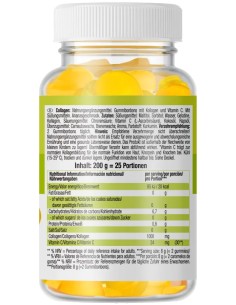
Do not be impressed by words such as “Beauty”, “Glow”, “Joint”, “Premium” or “Multi Collagen” alone. The information that matters is usually found on the back of the container.
1. Clear Quantity Information
The label should state how much collagen is supplied per daily serving. A large container means little if the relevant ingredient only accounts for a small proportion of the powder.
2. Identified Collagen Form
Collagen hydrolysate, specific collagen peptides and native type II collagen are not the same. The product form should match its intended use.
3. Transparent Source
Cattle or fish? This information should be clearly stated. It is important for allergies, dietary preferences and personal purchasing decisions.
4. A Sensible Formula
More ingredients do not automatically mean more benefits. Sugar, flavourings and extensive beauty blends may increase the price without providing more collagen.
5. Price per Daily Serving
Do not only compare the price of each container. Check how many servings it contains and how much collagen each serving provides. An apparently inexpensive product can become surprisingly costly when compared per meaningful serving.
6. Everyday Practicality
A product is not particularly useful if it forms lumps, tastes unpleasant or ends up forgotten in a cupboard after one week. Solubility and flavour are therefore not insignificant details.
Who Might Find Collagen Interesting?
Collagen products may be of interest to people who want to pay particular attention to collagen-rich tissues and their long-term nutrition. These may include:
- Strength athletes with a high training load
- Boxers and combat sports athletes
- Runners and team-sport athletes
- People whose joints are regularly exposed to high loads
- People interested in a beauty routine
- Anyone who rarely consumes collagen-rich foods
This does not mean that everyone needs a collagen supplement. A varied diet also provides amino acids and micronutrients used by the body for its own collagen production.
Our Verdict: Not a Miracle, but Not Useless Junk Either
Collagen is neither a magical anti-ageing powder nor automatically useless. As is so often the case with supplements, the truth lies somewhere between the extreme advertising promises.
Specific collagen peptides have been investigated in studies and may be an interesting addition depending on the intended goal. At the same time, the evidence is not equally conclusive in every area. The product form, quantity, consistency and the overall combination of nutrition and training all matter.
For muscle growth, a complete protein such as whey remains the better choice. Anyone specifically interested in skin, joints, tendons or connective tissue may consider collagen as an additional component – with realistic expectations and without believing every marketing fairy tale.
At Vikingstore, you can find different collagen powders and collagen supplements for sports and everyday use. If you are unsure about the different collagen types and formulations, we will be happy to advise you online or in our stores in Bern and St. Gallen.
Frequently Asked Questions About Collagen
Is Collagen the Same as Protein Powder?
Collagen is a protein, but it has a different amino acid profile from whey, egg, soya or multi-component protein. It should therefore not be considered an equivalent replacement for whey when muscle growth is the main goal.
Can Collagen Be Added to Coffee?
Many unflavoured collagen hydrolysates can also be mixed into warm drinks. Always follow the instructions provided by the manufacturer of the specific product.
Does Collagen Work Immediately?
No. Most studies investigated consistent intake over several weeks or months. Immediate visible or noticeable results are unrealistic.
Is Marine Collagen Better Than Bovine Collagen?
Not necessarily. The collagen form, quantity and complete formulation are more important than a general comparison between fish and cattle.
Can Collagen Treat Joint Pain?
Collagen is a food or food supplement, not a medicine. Pain should not simply be self-treated with a supplement. Persistent problems should be professionally assessed.
Is Collagen Vegan?
No. Genuine collagen comes from animal sources. Vegan products usually contain selected nutrients or amino acids but no conventional collagen.
Scientific Background
Research into collagen continues to develop. Positive findings from an individual study do not automatically mean that every collagen product has the same effect.
Please note: This article provides general information and does not replace medical advice. Food supplements should not be used as a substitute for a varied and balanced diet and a healthy lifestyle.









Comments (0)