

Shopping Cart
There are no more items in your cart

Point Fighting: Rules, Equipment and Differences Explained
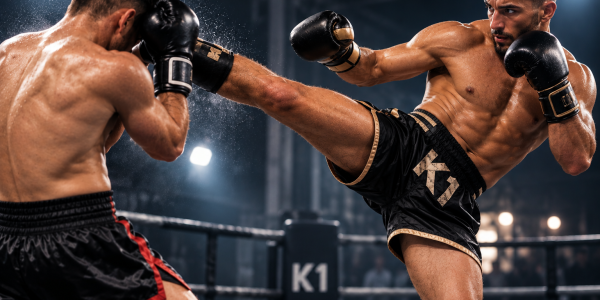
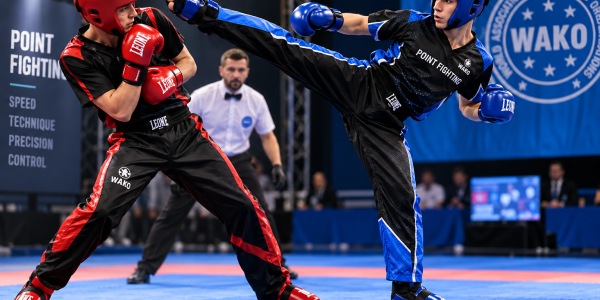
Point Fighting is one of the fastest and most technical disciplines in kickboxing. Instead of relying on maximum punching power, fighters need speed, precision, excellent timing and controlled techniques. After a valid scoring technique, the action is stopped briefly before the fight continues – creating the explosive rhythm that makes Point Fighting so distinctive
Read more
Cauliflower Ear in BJJ: Causes, Treatment and Prevention
Cauliflower ears are among the most recognisable signs associated with grappling, wrestling and Brazilian Jiu-Jitsu. Some athletes almost consider them a badge of honour earned through years on the mats. From a medical perspective, however, cauliflower ear is not a sign of exceptional fighting experience. It is a permanent deformation of the ear cartilage. The problem often begins quietly. After training, the ear may feel tender, slightly swollen or unusually soft. Continuing to train and ignoring the injury can result in a permanently thickened and deformed ear. In this guide, we explain how cauliflower ear develops, which warning signs you should take seriously and how you can protect your ears during BJJ.
Read more
Collagen for Athletes: Useful or Just Expensive Protein Powder?
Collagen powder is no longer marketed exclusively as a beauty product. Today, collagen supplements are also promoted to athletes, strength trainees and combat sports enthusiasts – for joints, cartilage, tendons, ligaments, skin and even muscle growth. It almost sounds too good to be true: one powder for half the body. That is exactly why it is worth taking an honest look behind the marketing. Collagen can be an interesting supplement, but it is neither a miracle product nor a replacement for proper training, sufficient protein or a balanced diet.
Read more
Why Do Some Boxing Gloves Feel Tighter Inside? - Fit, Hand Compartment & Brand Differences
You try on two pairs of boxing gloves with the same OZ rating – yet one feels comfortably snug while your hand has noticeably more room inside the other. Many beginners are surprised by this. After all, 10 OZ, 12 OZ, 14 OZ and 16 OZ are often presented by retailers almost as if they were different glove sizes.
Read more
Why Muay Thai Gloves Are Cut Differently from Boxing Gloves
At first glance, traditional boxing gloves and Muay Thai gloves look very similar. Both are available in sizes such as 10, 12, 14 or 16 oz, both protect your hands and training partners, and both can be used on the heavy bag, pads and during sparring.
Read more
Why Your Wrist Hurts When Boxing - The Most Common Causes and How to Prevent It
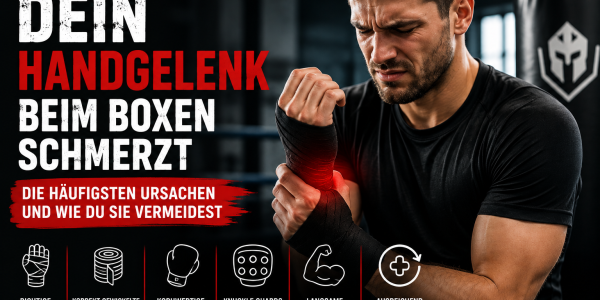
Wrist pain is one of the most common problems experienced by boxers. Beginners are often surprised when their wrists start hurting during training or after hitting the heavy bag. The good news is that, in most cases, the pain is not caused by a serious injury. Poor technique, unsuitable equipment or overtraining are usually the main reasons.
Read more
Why Many MMA Gyms Don't Accept Complete Beginners
Mixed Martial Arts (MMA) is one of the most demanding combat sports in the world. It combines striking, kicking, wrestling, takedowns and ground fighting into one discipline. Because of this complexity, many MMA gyms prefer new members to have previous experience in another martial art. If you have never trained before, you may be advised to spend several months learning boxing, kickboxing, Muay Thai, wrestling or Brazilian Jiu-Jitsu before joining an MMA class.
Read more
Social Media and Fitness: Motivation or Unrealistic Expectations?
Instagram, TikTok, and YouTube are filled with impressive fitness videos. Muscular physiques, shredded abs, and dramatic transformation photos attract millions of views every day. For many people, they provide the motivation to start working out or stay committed to their fitness goals.
Read more