Have you heard of Thai oil liniment? This traditional care product is a real insider tip among athletes and fitness enthusiasts! It not only helps with muscle tension, but also supports regeneration after training. In this article, we take a look at what exactly Thai Oil Liniment is, how it works and why it should not be missing from your training arsenal. Let's discover together how this versatile oil can help you achieve your sporting goals even better!
What is Thai Oil Liniment?
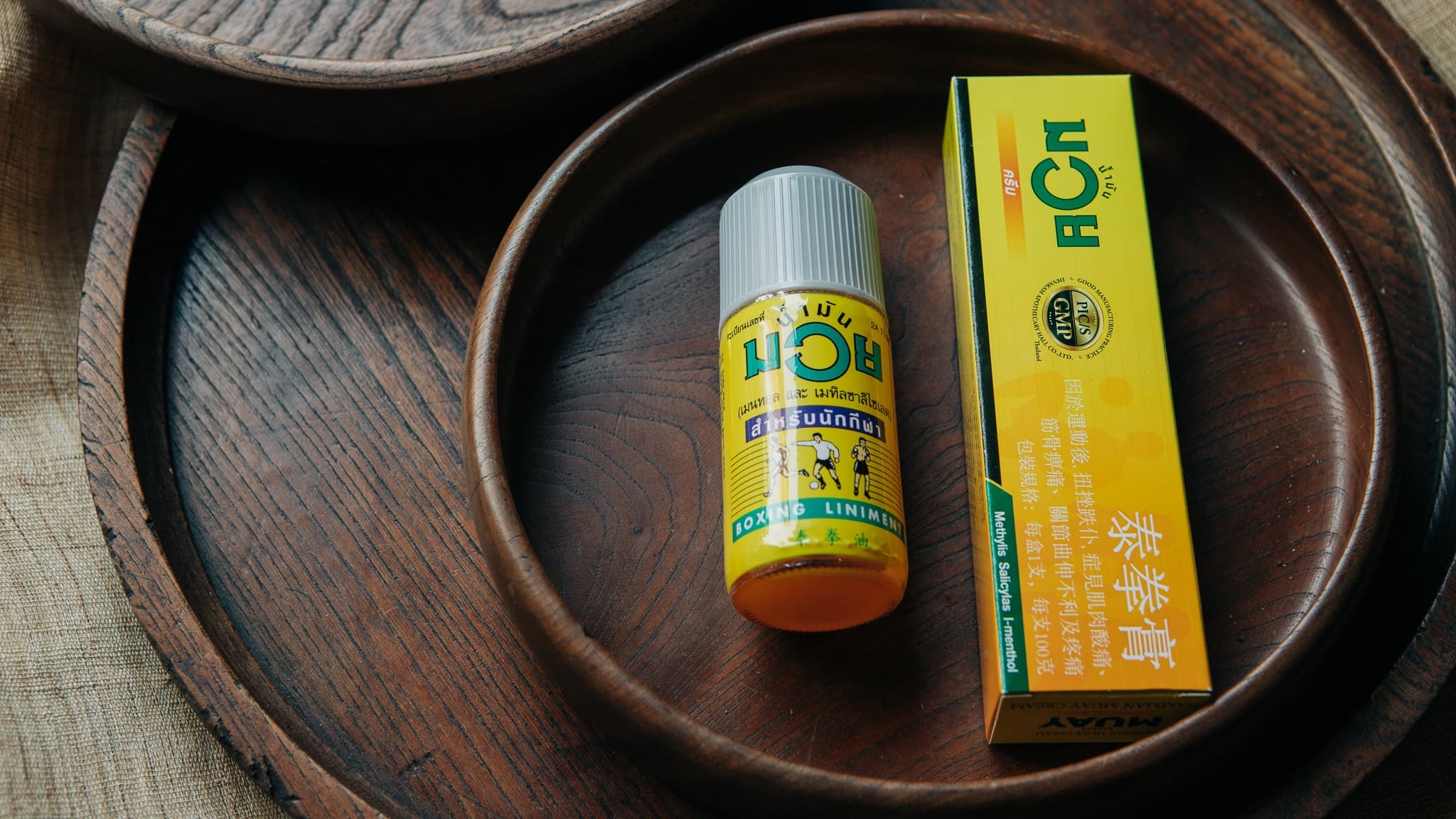
Thai Oil Liniment is a traditional, soothing oil that has its origins in the Thai art of healing. It is often used by athletes and fitness enthusiasts to relieve muscle tension and support regeneration after training. The special combination of natural ingredients such as herbs and essential oils ensures that it not only has a pleasant fragrance, but also penetrates deep into the skin, where it has a beneficial effect.
If you are looking for a way to relax your muscles after an intensive workout or simply to relieve tension in everyday life, Thai Oil Liniment is just the thing for you. It can help you improve your flexibility and reduce aches and pains so that you feel fit again more quickly. Many users rave about the immediate relief they experience when using it - a real secret weapon for any athlete!
What's more, Thai Oil Liniment is not only suitable for professionals. Whether you are just starting out in sports or are already an experienced athlete, this product can help you on your way. Let's work together to ensure that you feel good all round and achieve your sporting goals with ease!
Composition of Thai Oil Liniment
The exact composition of Thai oil liniments can vary from brand to brand, which makes it all the more exciting to discover the different products! Often these precious oils contain a blend of ingredients such as menthol, camphor, eucalyptus oil, peppermint oil, cinnamon oil and a variety of other herbal extracts. These powerful ingredients are not only known for their cooling and warming properties, but they can also help to relieve pain and improve circulation.
Imagine coming home after an intense workout. Your muscles are tired and perhaps a little tense. At this moment, Thai Oil Liniment may be just the right product for you! It acts like a little helper that stands by your side and supports you. The combination of cooling and warming effects ensures that you quickly feel good again and are ready for the next challenge.
However, it is important to note that Thai Oil Massage Liniment is a product that is traditionally used in folk medicine. This means that it has been passed down from generation to generation over many years. Nevertheless, there are only limited scientific studies proving its effectiveness. Therefore, it is advisable to always be cautious - especially if you might be allergic to certain ingredients.
Before you start using Thai oil liniment or similar products, we recommend that you consult a doctor or medical professional. This is especially true if you have existing health problems or are unsure. Your health comes first! Let's work together to ensure that you are well informed and optimally supported on your sporting journey.
Thai oil liniment in martial arts
Thai oil liniment has many benefits for athletes, especially in martial arts. The intensive strain on the body during a fight or training session often requires rapid regeneration and pain relief. This is exactly where Thai Oil Liniment can unfold its effect. The special composition of the natural ingredients enables targeted relaxation of the muscles and promotes blood circulation, which is particularly beneficial after intensive training sessions. In addition, the cooling and warming effect of the oil can help to prevent injuries and accelerate regeneration. With Thai oil liniment as an integral part of your martial arts routine, you can ensure that your body is given the best possible support to maintain its performance in the long term and help you achieve your sporting goals.
The text of this article is subject to the copyright of the author and may not be used by third parties!
























Comments (0)