Make your own booster: it's this easy
So the workout really pops!
You have a tough workout ahead of you, but your gains don't want to be like you today? Purchased performance-enhancing supplements are not for you? No problem: Here I'll tell you how you can easily make your own boosters and make your training really pop!
Make your own pre-workout booster: Why it's worth the effort
Boosters push you to your own limits and beyond - but unfortunately they also come at a price: you have to pay around six euros per 100 grams for high-quality, performance-enhancing supplements - not exactly cheap. The self-made version is much cheaper. But that's not the only reason why you should make your own boosters: The fact is that not everyone reacts the same way to the respective ingredients in boosters. Maybe you know the situation - your training buddy recommends some drink that supposedly really kicks ass, but apart from a slightly increased concentration you don't notice anything? Too bad and definitely money wasted. The problem with store-bought boosters is that the ratio of ingredients is fixed and you can't simply reduce one in favour of the other. Of course, it can also happen the other way round: While one person can go to bed and sleep after an evening espresso, after three sips of caffeine in the morning you will toss and turn sleeplessly from one side to the other the whole night after. This can't happen if you determine the ingredients of your booster yourself! You also know exactly what your pre-workout nutrition actually consists of - unlike with store-bought boosters.
Also interesting:Pre- and post-workout nutrition
With the right ingredients for more success in muscle building, fitness & weight loss
So far, so good. But which ingredients should end up in your booster to get the most out of you and your workout?
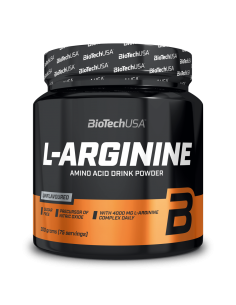
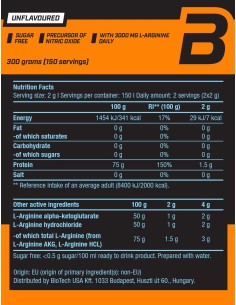
L-arginine: This valuable amino acid is responsible for synthesising the nitrogen-phosphate compounds in your body and converts them into nitric oxide (NO) via several precursors. NO dilates the blood vessels, which leads to a higher pump in your gains - for those who don't know what the term "pump" means: This refers to better blood flow to the muscles. L-arginine also improves regeneration after a hard workout - and as you know, muscles grow during the break afterwards, keyword supercompensation!
Citrulline: Citrulline has a very similar effect to L-arginine, but is a precursor closer to NO and is therefore available in larger quantities and more quickly. Citrulline not only reduces muscle fatigue, studies have also shown that its consumption leads to an increase in muscle strength of up to 24 per cent! In figures, this means that instead of bench pressing 60 kilos, you can suddenly bench press 74.4 kilos. Not bad, is it!
Creatine & Beta-alanine: Many of you will be familiar with creatine, as it is definitely one of the most frequently consumed supplements. And rightly so, because it plays an important role in a complicated process with ATP and ADP, which I will spare you here, and ultimately increases your speed and maximum strength, which you cannot normally access for long. Beta-alanine increases your strength endurance by acting as an acid buffer and delaying the usual burning sensation in the muscles. The two are unbeatable in a double pack: You can perform more repetitions at a higher load and thus trigger a significantly stronger stimulus, which leads to muscle growth. But that's not all: both are relatively inexpensive to buy and studies have shown that test subjects were able to bench press up to 20 kilos more after taking them! Respect!
BCAAs: Also well known are the so-called BCAAs, branched-chain amino acids, which you absolutely need to build muscle but cannot produce yourself and therefore have to take in through food. BCAAs also keep your body in an anabolic state during training. This is because your body can draw energy from your body's own protein, especially during intense exercise - keyword muscle breakdown! BCAAs prevent precisely this and also ensure faster regeneration.
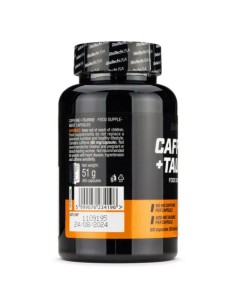
Caffeine: I'm sure you've all heard of the typical espresso before the gym, right? The pre-workout caffeine kick is definitely justified, as caffeine increases concentration in the short term, eliminates signs of fatigue and boosts metabolism and blood circulation. But beware: caffeine is one of the ingredients with a high habituation effect - so you shouldn't add it to every one of your blends if you want to make your own boosters.
Arginine: This amino acid improves blood flow in the body and increases nitrogen production. These two properties guarantee an optimal supply of nutrients to your muscles during training.
L-thyrosine: Last but not least, there is L-thyrosine. You don't necessarily need to pack this amino acid in your booster, but it is very useful as a blockade remover and helps you to stay focussed in the long term. And if you read my articles often, you'll know how important it is to do sport properly!
Timing: The right time to take boosters
Boosters have an awakening and stimulating effect and increase the blood flow and performance of your muscles - so it is logical that you should take them before your workout. As already mentioned, the ingredients vary from person to person, but they tend to develop their optimum effect in the workout around 30 minutes after ingestion. The rule is: the more sober you are, the faster they work. This means that if you treat yourself to a booster on a full stomach, your last meal must first be digested before the booster can take effect properly. If you warm up for a relatively long time, start with mobility exercises or need the booster for the last repetitions of your sets, you can of course take it directly before training. Otherwise, you should remember to take your liquid kick half an hour before your workout to really get the most out of it.
Tips for making your own booster
You can get some of the ingredients on my website as a real bargain and save hard cash. Have a look under Supplements.
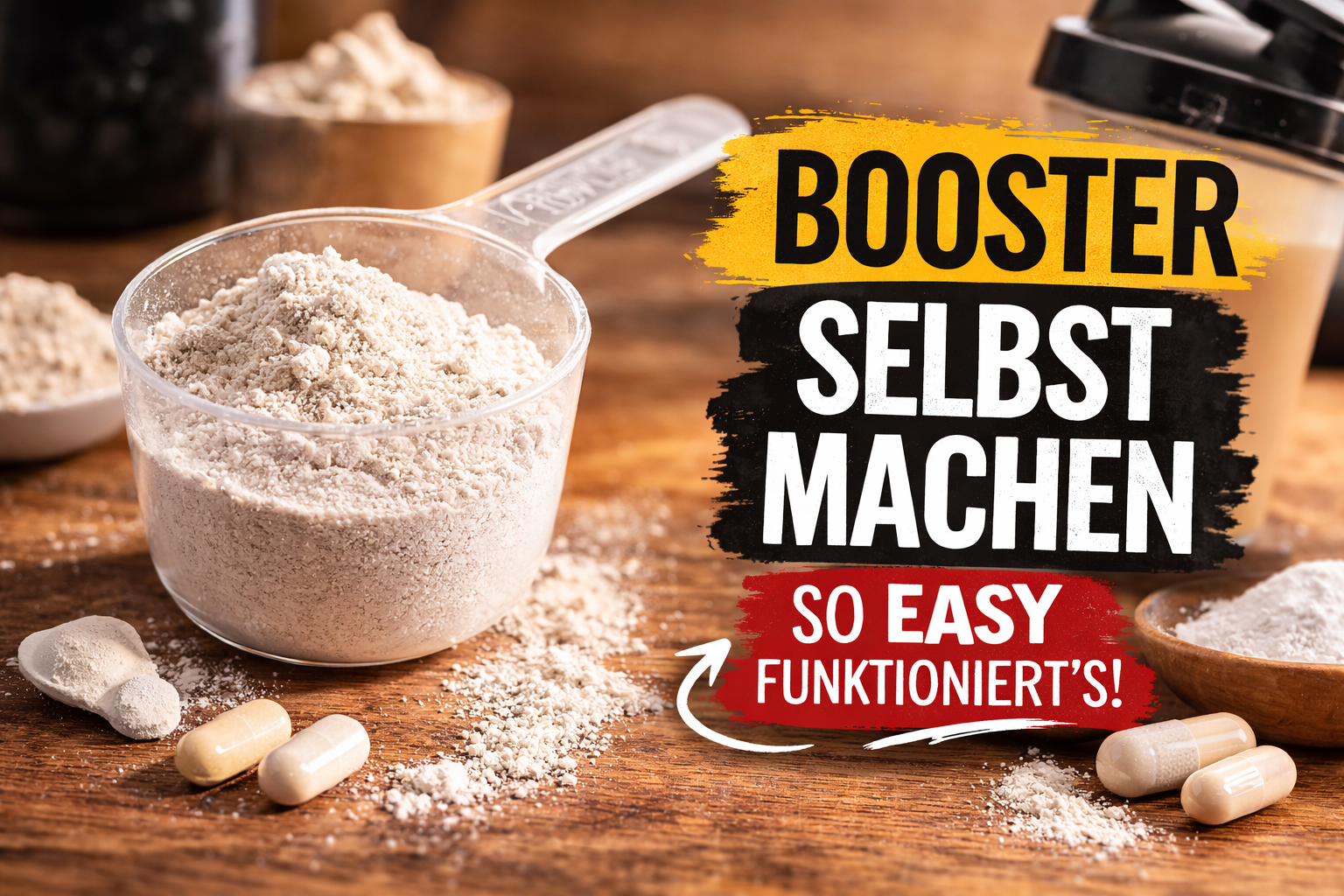
Buy the ingredients for your self-made booster in powder form and measure them using a kitchen scale. Then simply mix with enough water in a shaker.
For a calorie-free flavour, you can pimp the mixture with a few flavour drops of your choice.
If it's too stressful for you to weigh the ingredients every time, you can also measure the ratio once in large quantities and take a little from the XXL unit each time.
Be careful with ingredients such as caffeine, which trigger a habituation effect. It is better not to use them more than 2 - 3 times a week, otherwise they will quickly stop working as they should.
Recipes for making your own boosters
Enough palaver, here are a few quick recipes for making your own boosters:
Make your own booster: Recipe #1
3 g beta-alanine
5 g creatine
10 g BCAAs
6 g citrulline
(optional: 200 mg caffeine)
Make your own booster: Recipe #2
4 - 6 g beta-alanine
6 g citrulline
2 g tyrosine
6 g BCAAs
4 g L-arginine
Make your own booster: Recipe #3
3 g beta-alanine
6 g citrulline
3 g thyrosine
1.5 g taurine
5 g creatine
So folks, that's it for making your own boosters. Now it's off to the kitchen scales and then up the cups - I can't wait to see how the boosters go down with you!
You are welcome to share your self-created recipes with us here.








Comments (0)