How many times have you wondered why your performance in training isn't what you want it to be? Vitamin B could be the key to boosting your energy, optimising your diet and supporting muscle building. In our blog post, we show you how these important nutrients not only strengthen your body, but also make your athletic goals more achievable. Let's discover together how you can get the most out of your training with the right intake of vitamin B!
The importance of vitamin B for athletes
Vitamin B plays a crucial role in the overall health and performance of athletes. This group of vitamins includes several essential nutrients that support various functions in the body and can therefore contribute directly to your athletic performance. The most well-known B vitamins include B1 (thiamine), B2 (riboflavin), B3 (niacin), B6 (pyridoxine), B9 (folic acid) and B12 (cobalamin). Each of these vitamins has specific tasks that are important for athletes. For example, vitamin B1 is important for carbohydrate metabolism, while B6 and B12 play a central role in the formation of red blood cells, which are responsible for transporting oxygen around the body. A deficiency in these vitamins can lead to fatigue, weakness and reduced performance, which can have a negative impact on your training.
The role of vitamin B in the body
The various B vitamins contribute to health in different ways. Vitamin B1 is crucial for the conversion of carbohydrates into energy, which is particularly important for endurance athletes who rely on a constant supply of energy. Vitamin B2 not only supports the energy balance, but also plays a role in maintaining healthy skin and eyes. Vitamin B3 helps to regulate cholesterol levels and promotes blood circulation, which is beneficial for general fitness. In addition, folic acid (B9) is essential for cell division and repair, which is important for athletes to recover from injuries or intense training sessions. Finally, vitamin B12 ensures that the nervous system functions optimally and supports energy production in the cells.
Vitamin B and energy production
Energy production is of central importance for athletes, and vitamin B plays a key role in this. In particular, vitamins B1, B2 and B3 are involved in the conversion of carbohydrates into usable energy. These processes are crucial for all types of exercise, be it strength training or endurance sports. If you notice that your energy levels drop during exercise, this could be a sign that your body is not getting enough vitamin B. A balanced diet rich in these vitamins can help you boost your performance and achieve your athletic goals.
The effect on the nervous system
A healthy nervous system is essential for athletes to optimise their coordination and responsiveness. This is where vitamin B6 and B12 in particular come into play. Vitamin B6 is important for the synthesis of neurotransmitters, which transmit signals between nerve cells. This means that a sufficient intake of this vitamin helps to improve your reaction times and maintain your concentration during training. Vitamin B12, on the other hand, supports nerve health and plays an essential role in the formation of red blood cells. These two vitamins work together to ensure that your nervous system works efficiently and you can maximise your athletic performance.
The importance of vitamin B therefore spans many aspects of an athlete's health and fitness. In the next section, we'll focus on how you can get these important nutrients through your diet.
Vitamin B in the diet
Eating the right foods is crucial to getting enough vitamin B. For athletes, it is essential to ensure a balanced diet that includes all the necessary nutrients, especially the B vitamins. These vitamins are not only important for general health, but also play a key role in optimising athletic performance. In this section, we will go into detail about which foods are rich in vitamin B and how you can effectively incorporate them into your diet.
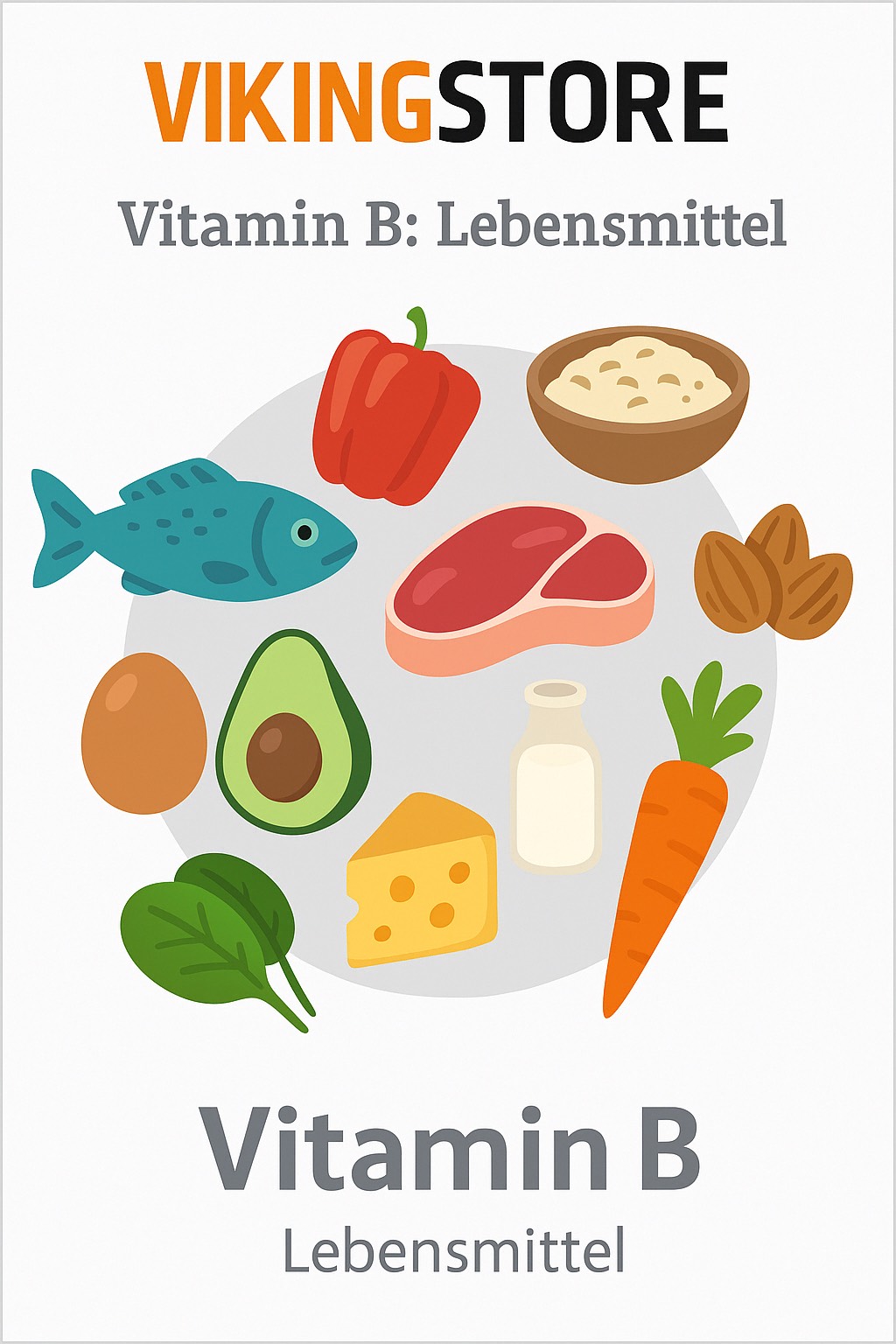
Foods rich in vitamin B
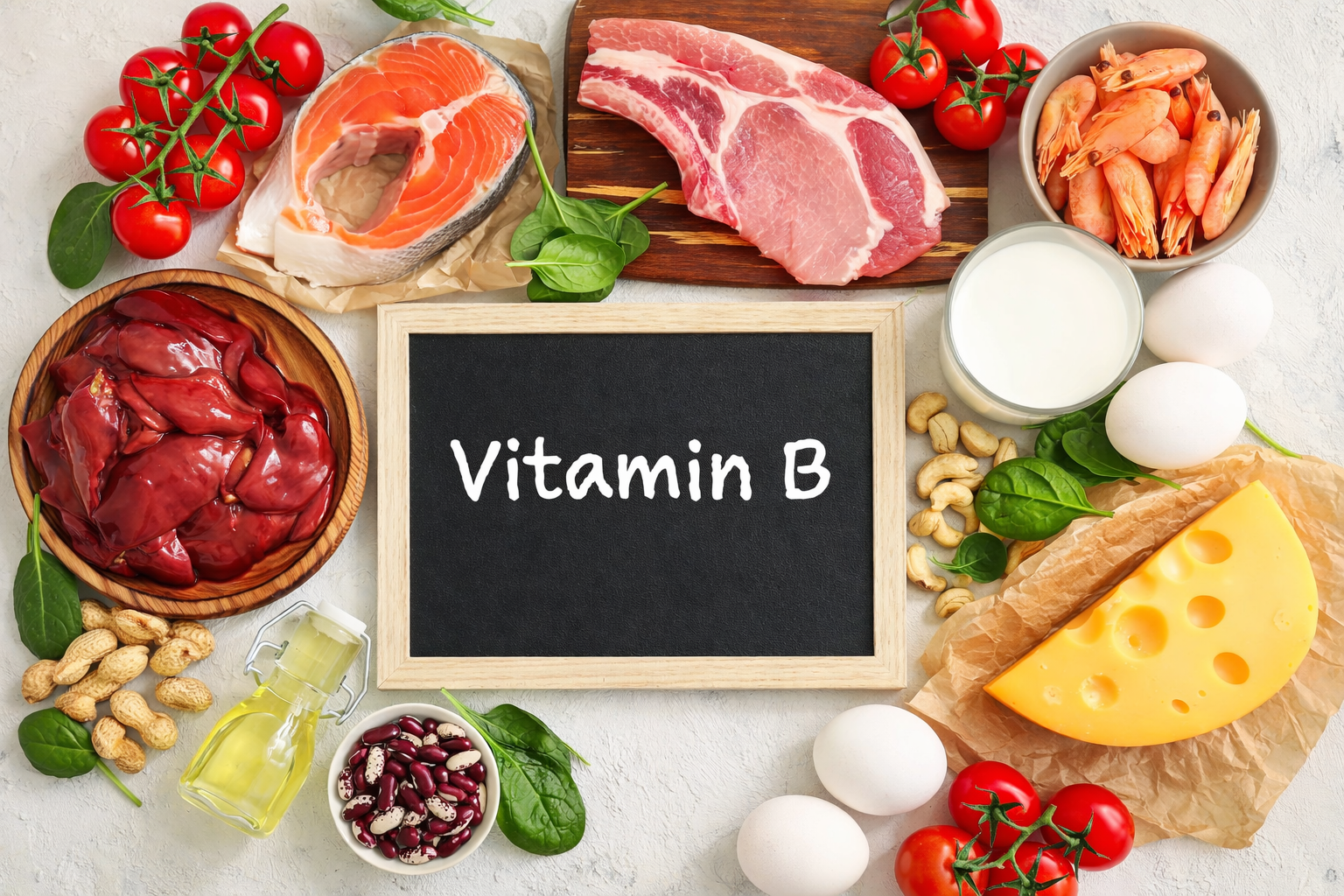
There are a variety of foods that contain a high concentration of B vitamins. The best sources include animal products such as meat, fish and dairy products. Beef and liver are particularly rich in vitamin B12, which is essential for the formation of red blood cells and the health of the nervous system. Eggs and milk are also excellent sources of B vitamins, especially riboflavin (B2) and biotin (B7).
Vegetarians and vegans should be aware that they may have difficulty getting enough vitamin B12 as it is mainly found in animal products. For them, plant-based alternatives such as fortified soya milk or yeast flakes are a good way of meeting their requirements. In addition, green leafy vegetables such as spinach and broccoli are rich in folic acid (B9), while pulses such as lentils and chickpeas are important sources of several B vitamins.
Wholemeal products are also an excellent choice for athletes as they not only provide complex carbohydrates but also contain a variety of B vitamins. Oatmeal, quinoa and brown rice are examples of foods that are both nutrient-rich and performance-enhancing. These foods not only help to maintain energy levels, but also support metabolism and post-workout recovery.
Tips for integrating vitamin B into your diet
To ensure you're getting enough vitamin B, there are some simple strategies you can incorporate into your daily diet. One way is to plan regular protein-rich meals that include both animal and plant sources. For example, you can prepare a breakfast with eggs and wholemeal bread or enjoy a salad with pulses and green vegetables.
Another important aspect is the preparation of the food. Some vitamins can be lost through overcooking or excessive heating. We therefore recommend steaming vegetables gently or eating them raw to maximise their nutritional value. Soaking pulses before cooking can also help to increase their nutrient availability.
Snack options can also be a great way to top up your vitamin B levels. Nuts, seeds and wholemeal crackers are healthy snacks that not only provide you with energy but also contain important vitamins. Combine them with fruit or yoghurt for an extra nutritional boost.
It is important to emphasise that a balanced diet consists not only of a variety of foods, but also of the correct timing of food intake. Make sure to consume easily digestible carbohydrates and proteins before your workout to maximise your energy levels. After training, focus on a protein-rich meal to aid muscle recovery.
The importance of supplements
Although a balanced diet is key to vitamin B intake, it can sometimes be difficult to get all the necessary nutrients from food alone. This is where supplements come into play: they can be a helpful addition to your diet to ensure you meet your vitamin B needs. This is particularly important during stressful training phases or during competition preparations.
If you are considering taking supplements, it is advisable to inform yourself well in advance and possibly consult a nutritionist or doctor. They can help you to find out which form of supplementation is best for you and which dosages make sense.
The next section will look at how vitamin B helps to support muscle building and which specific B vitamins are particularly relevant.
Vitamin B supplementation for athletes
Supplements can be a helpful addition to the diet to meet vitamin B requirements. In the world of sport, where optimal performance and rapid recovery are crucial, it is important to ensure that the body is adequately supplied with all the necessary nutrients. Vitamin B is particularly relevant as it plays a key role in various physiological processes that are important for athletes.
The various B vitamins, such as B1 (thiamine), B2 (riboflavin), B3 (niacin), B6 (pyridoxine), B9 (folic acid) and B12 (cobalamin), not only support energy production, but also the health of the nervous system and metabolism. It can be difficult to cover the increased requirement through diet alone, especially during intensive training phases or in preparation for competitions. This is where vitamin B supplements come into play. They offer a practical way to ensure that you get the required amounts of these essential nutrients.
A common concern among athletes is the question of the correct dosage of vitamin B supplements. It is important to note that overdosing should be avoided. Whilst water-soluble vitamins such as the B vitamins are generally excreted in the urine, excessive intake can still lead to undesirable side effects. It is therefore advisable to stick to the recommended daily doses and consult a nutritionist or doctor if necessary. These professionals can help you determine the right form and dosage of supplements for you.
Vitamin B supplements can make a noticeable difference, especially in stressful times when the body needs extra support. Not only do they help with energy production, but they also help to reduce tiredness and fatigue. This is particularly beneficial for athletes who are regularly exposed to high levels of physical exertion. They can also support the healing process after injuries and increase general performance.
For many athletes, it is also important to pay attention to the quality of the supplements. Not all products are created equal; therefore, you should make sure to choose high-quality brands that provide transparent information about their ingredients. A good supplement should not contain unnecessary fillers and should be as bioavailable as possible so that your body can optimally absorb the nutrients.
Another aspect of supplementation is the combination of different B vitamins. Supplements often contain a mixture of several B vitamins, which can have synergistic effects. This combination can help to improve the absorption and effect of the individual vitamins and thus maximise their benefits for your athletic performance.
In addition to taking supplements, it is important to continue to eat a balanced diet. Supplements are not a substitute for a healthy diet, but should be seen as a supplement. A variety of foods should be part of your daily diet to ensure you are getting all the nutrients you need.
To maximise the benefits of supplementation, we recommend that you track your progress and make adjustments where necessary. Pay attention to how your body reacts to different dosages and adjust them accordingly.
In the next section, we will focus on how vitamin B specifically supports muscle building and which specific B vitamins are particularly important.
Vitamin B and muscle building
Muscle building requires not only training, but also a targeted intake of nutrients, including vitamin B. This group of vitamins plays a crucial role in protein and energy metabolism, which is very important for athletes who want to increase their muscle mass. In particular, vitamins B6, B9 (folic acid) and B12 are essential for muscle regeneration and growth. They not only support the development of new muscle cells, but also help to provide the necessary energy for intensive training sessions.
.jpg)
The role of vitamin B6 in muscle building
Vitamin B6 is a true all-rounder when it comes to muscle building. It is crucial for amino acid metabolism, as it plays a central role in the conversion of amino acids into proteins. Proteins are the building blocks of muscles, and without an adequate supply of vitamin B6, the body cannot optimally utilise the proteins it absorbs. Vitamin B6 also promotes the synthesis of neurotransmitters, which are important for communication between nerve cells. This means that an optimal intake of B6 not only supports muscle building, but also increases general performance.
In addition, vitamin B6 has a positive effect on the immune system and helps to reduce inflammation. This is particularly important for athletes who are frequently exposed to intense stress and have to recover from injuries or muscle tension. An adequate intake of this vitamin can therefore help you to regenerate faster and achieve your training goals more effectively.
Folic acid and its importance for muscle building
Folic acid, also known as vitamin B9, also plays an important role in muscle building. It is essential for cell division and repair, which means that it contributes directly to the formation of new muscle cells. Especially after intensive training sessions, it is important that the body is able to repair damaged cells and form new cells. Folic acid supports this process and ensures that your muscles are ready for action again quickly.
Another benefit of folic acid is its ability to regulate homocysteine levels in the blood. High homocysteine levels can increase the risk of cardiovascular disease and therefore impair your athletic performance. By ensuring a sufficient intake of folic acid, you can therefore not only support your muscle building, but also promote your general health.
The importance of vitamin B12 for the muscles
Vitamin B12 is another important player in the area of muscle building. It plays a central role in the formation of red blood cells, which are responsible for transporting oxygen around the body. An adequate supply of oxygen to the muscles is crucial for performance during training. If your body does not receive enough vitamin B12, this can lead to reduced oxygen uptake, which has a negative impact on your endurance and strength.
In addition, vitamin B12 supports energy metabolism at a cellular level. It helps to convert carbohydrates into energy that your body needs during exercise. An adequate intake of this vitamin can help you to increase your performance and achieve your strength training goals faster.
Practical tips for optimising your vitamin B intake
To ensure that you get enough vitamin B for muscle building, you should make sure you eat a varied diet. Foods such as lean meat, fish, eggs and dairy products are excellent sources of vitamin B12 and B6. Plant sources such as pulses, green leafy vegetables and wholemeal products provide plenty of folic acid and other B vitamins. If you struggle to meet your requirements from food alone - especially if you are vegetarian or vegan - high-quality supplements can be a useful addition.
The right combination of these nutrients can not only help you build muscle, but also improve your overall fitness. Make sure that you regularly consume small meals with a high proportion of protein and complex carbohydrates to provide your body with optimal energy.
In the next section, we will look at the correct dosage of vitamin B and explain how much you actually need to achieve your athletic goals.
The correct dosage of vitamin B
The dosage of vitamin B is crucial for an optimal effect on athletic performance. To fully utilise the benefits of these important nutrients, it is essential to know the recommended daily doses and incorporate them into your diet. Each B vitamin has specific functions in the body and the amount required can vary depending on activity level, gender and age. It is therefore important to be aware of individual requirements and make adjustments if necessary.
The recommended daily doses for the different B vitamins vary. For example, an adult needs around 1.2 mg of vitamin B1 (thiamine), 1.3 mg of vitamin B2 (riboflavin) and 16 mg of vitamin B3 (niacin) per day. The recommendation for vitamin B6 is around 1.3 to 2 mg, while folic acid (B9) is required in an amount of 400 to 600 µg. For vitamin B12 (cobalamin), an intake of around 2.4 µg per day is recommended. However, these values can vary depending on lifestyle and sporting requirements. Athletes who train intensively or are preparing for a competition may have an increased need for these vitamins.
A vitamin B deficiency can lead to serious health problems. Symptoms such as fatigue, weakness or difficulty concentrating can be signs that your body is not getting enough of these important nutrients. Athletes in particular are susceptible to such deficiencies, as their physical demands are higher than those of less active individuals. It is therefore important to regularly ensure a balanced intake of vitamin B and, if necessary, to compensate for this with a targeted diet or supplements.
Overdosing on vitamin B is generally unproblematic, as these are water-soluble vitamins that the body normally excretes via the urine. Nevertheless, you should be careful and not exceed the recommended dosages. Excessive intake can lead to undesirable side effects in some cases. It is therefore advisable to follow the guidelines and consult a specialist if in doubt.
It is particularly important for athletes to regularly check and adjust their own vitamin B requirements. A good way to do this is to keep a food diary. This allows you to keep track of your food intake and ensure that you are getting enough of these vitamins. Make sure you choose foods that are rich in B vitamins - these include wholemeal products, pulses, green leafy vegetables and animal products such as meat and milk.
In addition to your diet, supplements can be a useful addition to cover your vitamin B requirements. A targeted intake of vitamin B complexes can be particularly useful during periods of intensive training or stress. These products often contain a combination of different B vitamins in optimal doses and can help to increase your performance and prevent fatigue.
Remember that a balanced diet should always form the basis of your fitness goals. Supplements are not a substitute for healthy food, but should be seen as a supplement. By making sure you eat a varied and nutritious diet and at the same time paying attention to your individual intake of vitamin B, you can ensure that you get the most out of your training and achieve your athletic goals.
Conclusion: The relevance of vitamin B for sporting success
In the world of sport, where every training session counts and every nutrient intake can be crucial, it's vital not to underestimate the importance of vitamin B. This group of vitamins is not just a simple part of your diet; it is an indispensable partner on your path to peak performance. In summary, vitamin B can make a significant contribution to athletic success by optimising energy production, supporting the nervous system and promoting muscle growth. By eating a balanced diet rich in these vitamins, you can not only increase your performance, but also shorten your recovery times and thus get back into top form more quickly. We have learnt that vitamins B1, B2 and B3 are crucial for the conversion of carbohydrates into energy, while B6 and B12 play a central role in the health of the nervous system. In addition, folic acid is essential for cell division and repair, which is especially important after intense workouts. To ensure you get enough vitamin B, you can include foods such as lean meat, fish, eggs and wholemeal products in your diet. For vegetarians or vegans, fortified products or targeted supplements are a sensible option to meet requirements. It is important to regularly check the recommended dosage and, if necessary, consult an expert to avoid overdosing.
Ultimately, the key to success lies in the combination of a balanced diet and a targeted intake of these important nutrients. Let's work together on your fitness and martial arts goals and make sure you get the most out of your training!
The text of the article is subject to the copyright of the author and may not be used by third parties







Comments (0)