Mixed martial arts (MMA) has gained popularity in recent years and inspires many people, whether as athletes or spectators. However, there are often many questions and uncertainties before entering the world of MMA. At Vikingstore, we want to help you find answers to the most common questions so that you are best prepared for your MMA journey!
1. What exactly is MMA?
MMA stands for Mixed Martial Arts and is a full-contact combat sport that combines techniques from different fighting styles. This includes disciplines such as boxing, kickboxing, Brazilian jiu-jitsu, judo and many more. The aim of MMA is to defeat your opponent using punches, kicks, throws or ground control techniques.
2. Do I need special equipment for MMA?
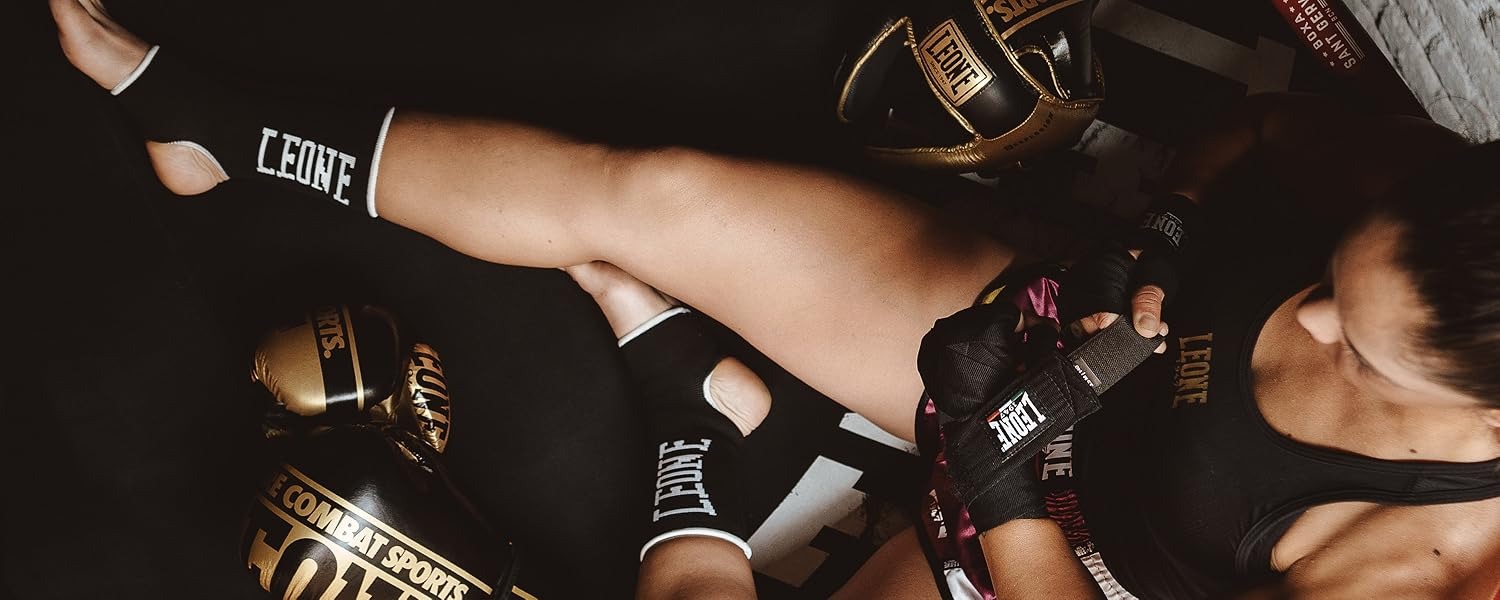
Yes, for MMA you need certain protective equipment to prevent injuries. The basic items of equipment include
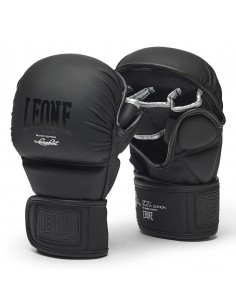
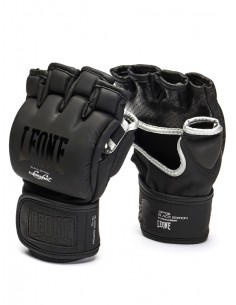
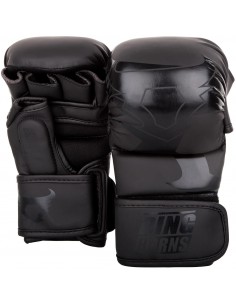
MMA gloves: These offer good protection for your hands and allow you to perform techniques at the same time.
Face mask: Protect your teeth and jaw during training.
Shin guard: Shin guards are particularly important when sparring to prevent injuries.
Chest protector: A chest protector is recommended for women to provide additional protection.
Training clothing: Choose comfortable clothing that offers you freedom of movement.
3. How do I find the right MMA style for me?
It is important to try out different fighting styles to find out what suits you best. Many MMA schools offer beginner courses where you can familiarise yourself with different techniques and styles. Try courses in boxing, kickboxing or grappling to find out which discipline appeals to your strengths.
4. How dangerous is MMA?
Like any contact sport, MMA also harbours risks of injury. Regular training, adherence to safety guidelines and the use of suitable protective equipment are crucial to minimise the risk. Professional MMA competitions are highly regulated, also to ensure the safety of the fighters.
5. Can I only do MMA for fitness training?
Yes, many people choose to train MMA mainly for fitness reasons. MMA not only improves strength and endurance, but also promotes self-discipline and coordination. You can participate without competitive ambitions and still reap the benefits.
6. How long will it take me to get good at MMA?
The time it takes to progress in MMA depends on several factors - including your training frequency, your natural ability and your personal commitment. Regular and focused training is the key to your progress.
7. Are there age limits for training in MMA?
As a rule, people of all ages can train MMA, but children and young people should attend special programmes that are tailored to their needs. Many schools have separate courses for different age groups.
8. How does the weight class work in MMA?
MMA competitors fight in predefined weight classes to ensure fair competitions. Common weight classes include bantamweight, featherweight and lightweight. This regulation ensures that fighters compete at similar weight levels, which ensures safety and fairness.
9. What are the most important techniques I should learn for MMA?
As a beginner, you should first concentrate on basic techniques from various disciplines. These include
- Punches
- Kicks
- Throws
- Ground control techniques (grappling)
By learning these basic techniques you will be well placed to begin your MMA journey.
10. How do I find a good MMA training partner?
It's best to find a training partner at your MMA school or academy. There you can train with like-minded people who are pursuing similar goals. Schools often offer partner and group exercises to add variety to your training.
Conclusion
MMA is a versatile and exciting sport that promotes both physical fitness and mental strength. At Vikingstore, we are here to support you in your MMA journey - be it through quality equipment or helpful information. If you have any further questions or need support, don't hesitate to contact us. Together we can achieve your fitness goals!










Comments (0)