1. What is zinc and where can you find it?
Zinc is an important nutrient for our body and fulfils numerous functions. But what exactly is zinc and where can you find it? Zinc is an essential trace element, which means that our body needs it in small amounts to stay healthy. It plays a crucial role in many metabolic processes and supports bone formation, the production of insulin, the immune system and digestion, among other things.
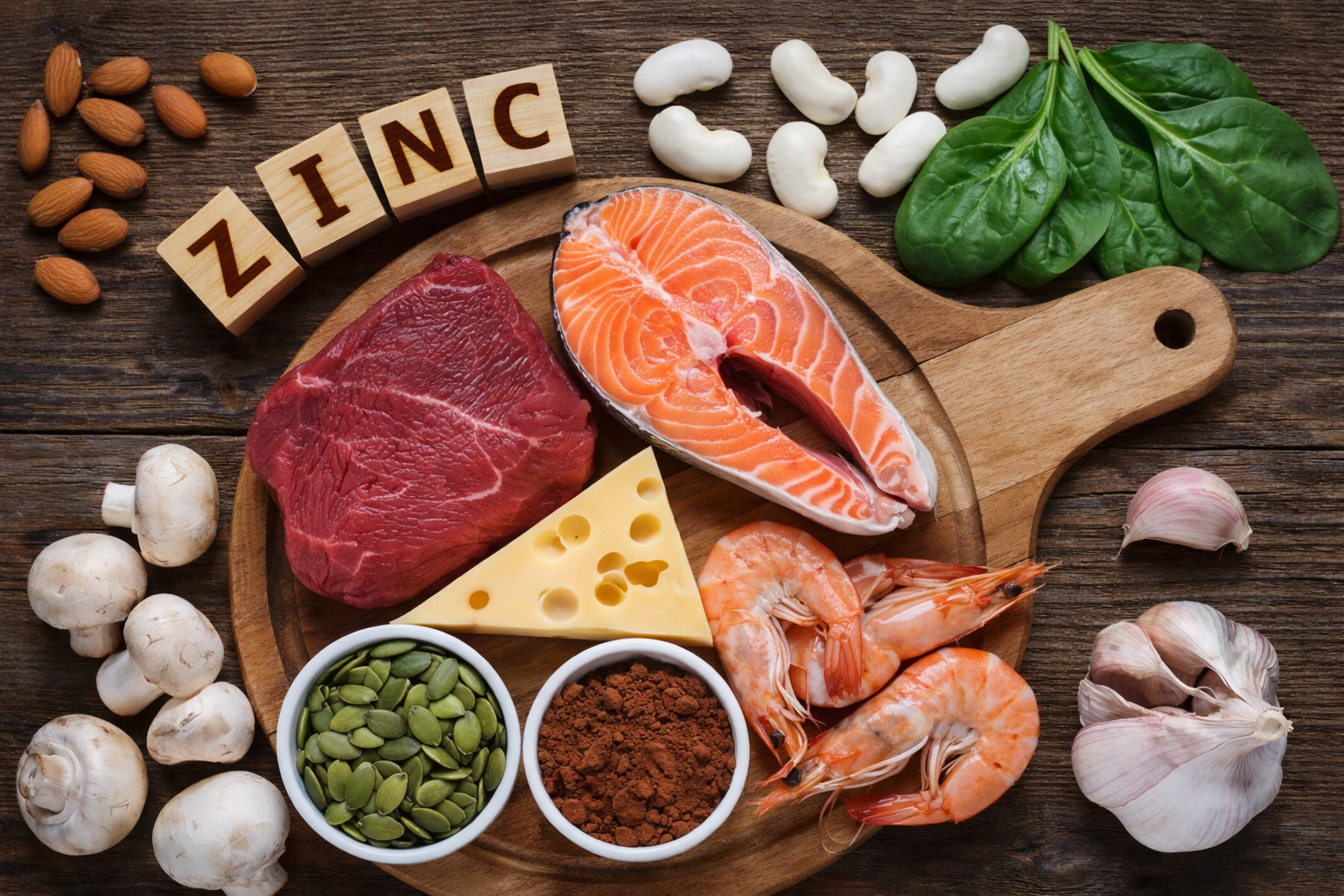
To fulfil the daily need for Zinc a balanced diet is important. Zinc is found in many foods, such as meat, fish, eggs, dairy products, pulses, nuts and wholemeal products. Women have a slightly higher zinc requirement than men, especially during pregnancy and breastfeeding. The German Nutrition Society (DGE) recommends a daily zinc intake of 7-10 mg for adult women and 10-15 mg for adult men.
A zinc deficiency can lead to various symptoms and health problems. Tiredness, hair loss, skin problems, susceptibility to infections and delayed wound healing can be signs of a zinc deficiency. It is therefore important to ensure an adequate zinc intake and possibly to consider taking additional zinc supplements if there is a deficiency.
Zinc is a versatile trace element that is very important for our health. It is not only important for bone formation, but also influences the production of insulin, strengthens the immune system and contributes to healthy digestion. By eating a balanced diet with foods containing zinc, we can provide our body with an optimal supply of zinc and thus support our health.
2. What effect does zinc have on bone formation?
Zinc is an important trace element that has a wide range of effects on the human body. In addition to its role in digestion and supporting the immune system, zinc also plays a crucial role in bone formation. This vital mineral is essential in a healthy diet and is found in various foods.
Adequate zinc intake is particularly important for women's health, as women are often at higher risk of zinc deficiency due to certain life stages such as pregnancy and menopause. Zinc deficiency can lead to various symptoms and diseases, including problems with bone formation.
ZincIs significantly involved in the formation and maintenance of healthy bones. It has a positive effect on collagen synthesis, which supports the formation and strength of bone tissue. Zinc also promotes bone mineralisation by supporting the absorption and incorporation of calcium and phosphate into the bone structure.
To reap the benefits of adequate zinc intake, it is important to include zinc-rich foods in your diet. Foods such as meat, fish, pulses, nuts and seeds are good sources of zinc. It is recommended to take about 8-11 mg of zinc daily to meet the body's needs.
To summarise, zinc is an essential trace element that plays an important role in bone formation. Adequate zinc intake is essential for healthy bone development and maintenance. By eating a balanced diet with zinc-rich foods, we can ensure that our body gets enough zinc to perform its functions optimally. So don't forget to include enough zinc in your diet to support your bone health.
3. What effects does zinc have on the production of insulin?
ZincIs an essential trace element for our body and plays an important role in various physiological processes. In addition to its importance for bone formation and the immune system, zinc also has an effect on the production of insulin. Insulin is a hormone that is produced by the beta cells in the pancreas and is responsible for regulating blood sugar levels.
Zinc is involved in insulin production by supporting both the release and activity of insulin. Adequate zinc intake can help ensure that the pancreas produces enough insulin to control blood sugar levels. This is particularly important for people with diabetes, as a lack of insulin can lead to high blood sugar levels.
Studies have shown that a zinc deficiency can lead to reduced insulin production. People with low zinc levels may have an increased risk of developing diabetes. In addition, a zinc deficiency can lead to insulin resistance, which means that the body's cells do not respond to insulin and therefore cannot absorb sugar properly.
It is important to eat a balanced diet with sufficient zinc to support insulin production. Zinc-rich foods such as beef, shellfish, pumpkin seeds and pulses should be regularly included in the diet. The German Nutrition Society (DGE) recommends a daily zinc intake of 7-10 mg for women and 10-17 mg for men.
A zinc deficiency can manifest itself through various symptoms such as hair loss, reduced immune function and wound healing, as well as loss of appetite and delayed growth in children. If you suspect that you are suffering from a zinc deficiency, you should consult a doctor to have your zinc levels checked.
Overall, the versatile effect of zinc shows how important this trace element is for our health. In addition to its importance for bone formation, the immune system and digestion, zinc also plays a crucial role in insulin production. So make sure you get enough zinc in your diet to optimally support your health.
4. What influence does zinc have on the immune system?
Zinc plays a crucial role in strengthening the immune system. This essential trace element is responsible for many functions in the body, especially the functioning of the immune system. Sufficient zinc levels ensure that the body's defences function properly and protect against a variety of diseases.
Zinc influences the immune system in several ways. Firstly, it supports the formation and maturation of immune cells, such as lymphocytes, which play an important role in fighting pathogens. Sufficient zinc levels ensure that these immune cells can work efficiently.
Zinc also has an anti-inflammatory effect. It can help to reduce inflammation in the body, which in turn relieves the immune system and increases its effectiveness. This is particularly important as chronic inflammation can weaken the immune system.
A zinc deficiency can have a negative effect on the immune system. People with low zinc levels are more susceptible to infections and diseases. Symptoms of zinc deficiency can include slower wound healing, frequent infections and a weakened immune response.
To maximise the impact of zinc on the immune system, it is important to eat a balanced diet with foods rich in zinc. Good sources of zinc include low-fat yoghurt, red meat, pumpkin seeds and pulses. Women have a slightly higher zinc requirement, so it is particularly important to keep an eye on their zinc intake.
Overall, zinc is a crucial trace element for a healthy immune system. An adequate intake of zinc through the diet or, if necessary, through dietary supplements can help to strengthen the immune system and protect against illness. The importance of zinc for overall health should not be underestimated, as it has a variety of positive effects, from bone formation to digestion. It's important to keep an eye on your zinc intake to reap all of these health benefits.
5. How can zinc help with digestion?
Zinc is an important trace element that fulfils many functions in the body. In addition to its role in bone formation, insulin production and strengthening the immune system, zinc also plays a crucial role in digestion. Sufficient zinc intake is essential for healthy digestion.
Zinc deficiency can lead to various digestive problems, such as diarrhoea, constipation or loss of appetite. Women have a higher zinc requirement than men and should therefore pay particular attention to a balanced diet that contains sufficient zinc.
There are many foods that are rich in zinc and can be incorporated into the daily diet. These include, for example, meat, fish, nuts, seeds, wholemeal products and pulses. A balanced diet that includes foods containing zinc can help to ensure zinc absorption and aid digestion.
In addition, an adequate intake of zinc can also help to prevent or alleviate certain digestive diseases. Studies show that adequate zinc intake can reduce the risk of intestinal inflammation, such as Crohn's disease or ulcerative colitis. Zinc can have anti-inflammatory properties and contribute to the healing of inflammation in the digestive tract.
Overall, zinc is an important nutrient for general health and plays a versatile role in the body. A balanced diet rich in zinc can help support optimal digestive function and alleviate symptoms of digestive problems. So make sure you get enough zinc and experience the versatile effects of this trace element on your health.
6. Conclusion: This is how diverse the effect of zinc is
Zinc is an essential trace element that is found in many foods and plays an important role in our health. As we learnt in the previous sections of the article, zinc has a variety of effects on our body. From bone formation and the production of insulin to supporting the immune system and digestion - zinc is an all-rounder when it comes to health.
Sufficient zinc intake is particularly important, as a deficiency of this trace element can lead to various symptoms and diseases. Women have a particularly high demand for zinc during certain phases of life, such as pregnancy or breastfeeding, due to their higher requirement.
The German Nutrition Society (DGE) recommends a daily zinc intake of around 7-10 mg for adult women and 10-15 mg for adult men. To achieve this amount, you should eat a balanced and varied diet that includes zinc-rich foods such as meat, fish, pulses, nuts and wholemeal products.
The versatility of zinc is demonstrated not only by its effects on the body, but also by the fact that it can be taken in various forms. Zinc supplements are available in pharmacies and can be useful in cases of proven zinc deficiency. However, it is important to consult a doctor or pharmacist before taking such supplements in order to avoid excessive zinc intake.
Overall, zinc is an important part of a healthy diet and contributes to various aspects of our health. From bone formation to digestion - the diverse effects of zinc make it an indispensable trace element for our body. So let's make sure we get enough zinc in our diet and thus ensure optimum health.
Dear readers,
Zinc is a true all-rounder and has numerous positive effects on our body. In this blog post, we have looked at the various effects of zinc and shown how important this trace element is for our health. We have learnt that zinc is not only essential for bone formation, but also has a major influence on the production of insulin and the immune system. Zinc can also help with digestion and contribute to a healthy metabolism.
Zinc is a true all-rounder that plays an important role in many areas of our body. It is therefore worth reading further blog posts on the subject of zinc to find out even more about its many effects. So stay tuned and let our team of experts inspire you!
Discover the amazing properties of zinc and optimise your health. Start today and discover how zinc can positively influence your body!
The text of the article is subject to the copyright of the author and may not be used by third parties!




Comments (0)