Frequent injuries in martial arts
Strains and sprains:
These injuries often occur when muscles are overstretched or sudden, uncontrolled movements are made. Areas such as the ankles, knees and shoulders are particularly affected.
Bruises:
Bumps and knocks can lead to bruises and contusions. Although these are often not serious, they can be painful and restrict mobility.
Knee dislocations:
Knee injuries are not uncommon in martial arts, especially with techniques that put a lot of pressure on the joints.
Hand and finger injuries:
The hands and fingers are often exposed to injuries, be it from punches on the claw or when grappling in grappling.
Skin abrasions and injuries:
Contact with the ground or during fights can cause abrasions and injuries to the skin.
Preventive measures
To prevent injuries in martial arts, it is important to take a few basic measures:
Warm up:
A thorough warm-up programme prepares your body for the stresses ahead. Dynamic stretching exercises and targeted mobilisation exercises help to increase blood flow to the muscles and prepare the joints.
Correct technique:
Always make sure you perform the techniques correctly. Improper techniques can lead to injury. Get help from coaches to check and improve your form.
Strengthen your muscles:
Incorporate strength and stabilisation training into your programme. Strong muscles and stabilising structures can prevent injuries.
Regular breaks and recovery:
Overtraining can lead to injury. Make sure you give your body enough recovery time and react to signs of fatigue or pain.
Protective measures:
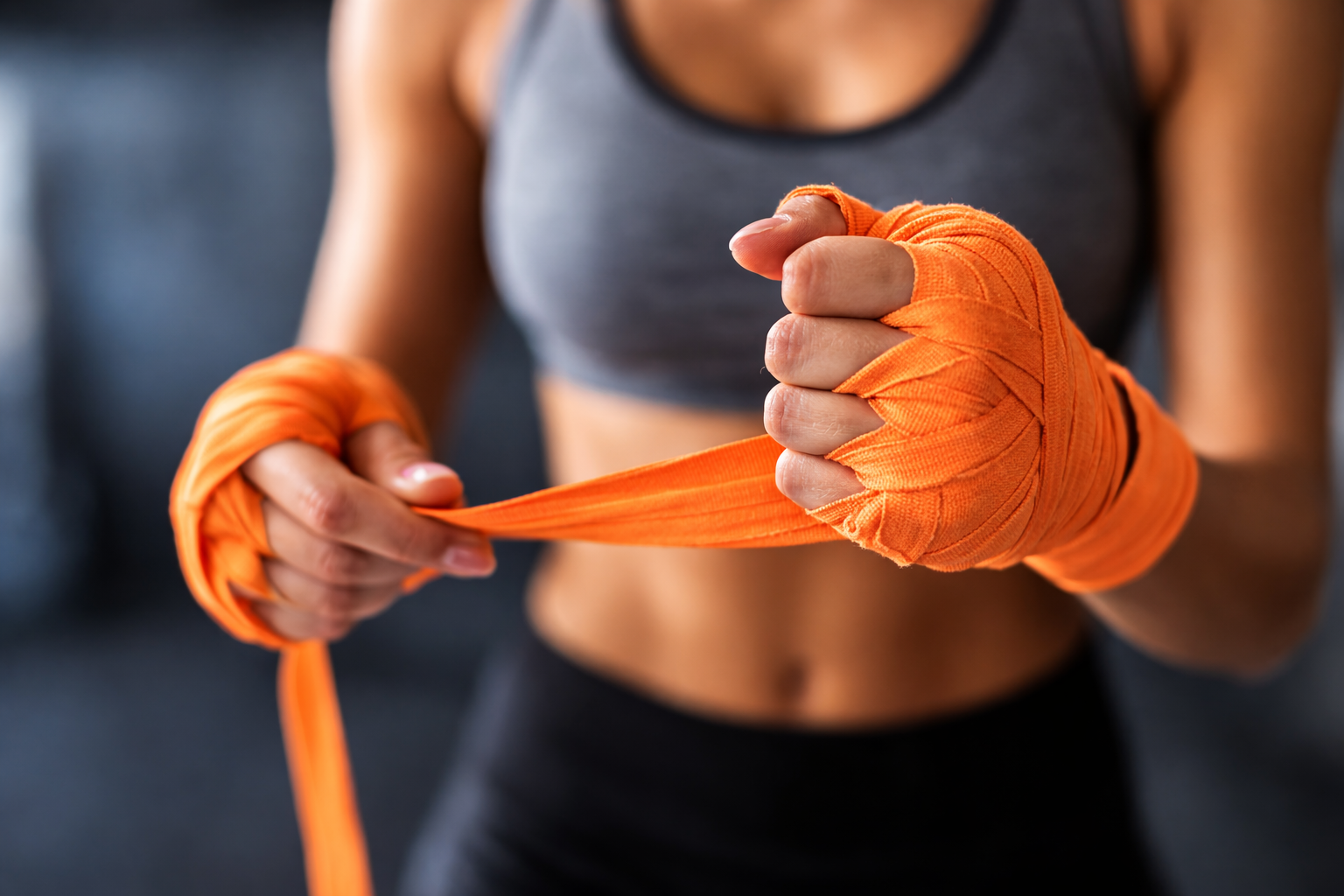
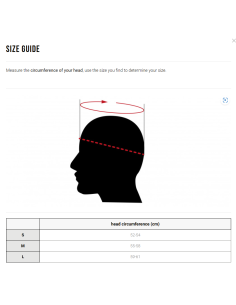
Always wear the appropriate protective equipment when training, such as gloves, shin guards and, if necessary, head protection. These help to minimise injuries.
Listen to your body:
Pay attention to your body's warning signals. If you feel pain or discomfort, you should stop training immediately and consult a doctor if necessary.
Exercise in a safe environment:
Ensure that the training area has sufficient space and suitable mats or flooring to reduce the risk of injury.
Interval training:
Focus on varied training sessions to avoid one-sided strain. Alternating between different martial arts and exercises promotes balanced body development.
Conclusion
Unfortunately, injuries in martial arts are unavoidable, but with the right prevention strategies you can significantly reduce the risk. Follow the tips above to train safely and effectively. Remember that martial arts is not only about physical strength, but also about the ability to act wisely and minimise risks. This way you can have fun and success in martial arts in the long term! Stay safe and good luck on your journey in the world of martial arts!
The text of the article is subject to the copyright of the author and may not be used by third parties!































Comments (0)