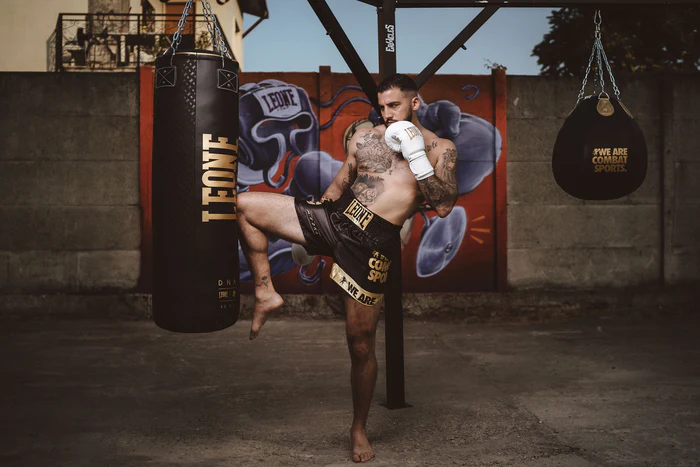
Martial arts can be one of the most intense and rewarding experiences you can have. However, as with any sport, there is a risk of injury. We want to help you avoid injuries and understand the best strategies to treat them if they do occur.
Prevention is the key
The best approach to injuries is prevention. Here are some effective tips to protect yourself:
Warm up properly
A thorough warm-up prepares your muscles and joints for the upcoming exertion. Light cardio exercises and special stretching exercises for the affected areas of the body are essential.
Use the right technique
The correct execution of techniques is crucial. Take your time to learn the basics and ask your trainer for advice if you are unsure.
Suitable equipment
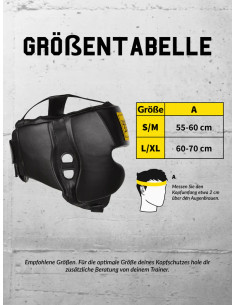
Always wear the right Protective equipment, such asBoxing gloves, , Shin guards and Mouthguard. This not only protects you, but also your training partners.
Listen to your body
If you feel pain or discomfort, don't ignore it. Reduce the intensity of your training or take a break. Overtraining is a common cause of injury.
Regular breaks
Plan regular breaks into your training. This time gives your body the opportunity to recover and avoid muscle tension.
Frequent injuries in martial arts
Despite all precautions, injuries can occur. Here are some common injuries in martial arts and tips for treatment:
Bruises and sprains
These are often caused by sudden movements or blows. Cool the affected area immediately with ice and keep it elevated to reduce swelling. If the pain persists, consult a doctor.
Muscle strains
Strains can occur due to overloading or sudden movements. Gently stretch the affected muscles and take anti-inflammatory medication if necessary. Rest and a slow build-up of strain are crucial.
Ligament injuries
These often occur in contact martial arts. An early medical examination is important to determine the severity and necessary treatment. Immobilisation and rehabilitation are often part of the healing process.
Bone fractures
In the worst case scenario, fractures can occur. If a fracture is suspected, it is important to seek medical help immediately. These injuries often require long-term rehabilitation.
After the injury: the path to healing
Healing injuries takes time and patience. Here are some steps that can help with recovery:
Immobilisation: Use splints or bandages to stabilise the affected body part.
Physiotherapy: After the initial healing phase, physiotherapy can help to restore mobility and prevent further injuries.
Slow return to training: When you start exercising again, do so gradually. Listen to your body and only increase the intensity gradually.
Pay attention to your diet: A balanced diet supports healing. Make sure you get enough protein, vitamins and minerals.
Conclusion
Injuries in martial arts are not always avoidable, but with the right measures you can significantly reduce the risk. Live your martial arts passionately and safely - and remember that your body is your most important trainer. If you listen to it and give it the care it needs, you will achieve your goals and avoid injury. Always remember that we at Vikingstore are here to support you when you need help - whether it's choosing the right equipment or asking questions about supplements to boost your fitness.
Stay motivated and strong!



















Comments (0)