Guide for Beginners and Amateur Fighters
In boxing, weight classes exist to ensure that fights are as fair and competitive as possible. Divisions such as featherweight, lightweight, middleweight, and heavyweight allow fighters with similar body weight to compete against each other.
When two fighters compete in the same weight class, their strength, size, and physical advantages are more balanced. Often their height and reach are similar as well, although there are always exceptions. It is not uncommon for two boxers with the same weight to have very different heights or body structures.
Especially for beginners, one question comes up very quickly:
? What is the ideal fighting weight for me?
There is no universal answer. Every boxer needs to find their optimal fighting weight individually. However, there are several practical guidelines that can help you determine the weight class that suits you best.
Finding Your Personal Fighting Weight
Your ideal fighting weight is not the number someone suggests or the weight you imagine would be best. The right weight class is the one where you perform at your highest level and feel comfortable in the ring.
Several factors influence this:
- Speed
- Agility
- Punching power
- Endurance
If you prefer fast and explosive boxing, you may perform best in the lower range of your weight class. This allows you to take advantage of speed, movement, and quick combinations.
If your style focuses more on power punches and pressure, you may feel stronger in a slightly heavier division, where physical strength and punching impact play a larger role.
Being Too Light or Too Heavy
Trying to fight far below your natural body weight can create serious disadvantages.
For example:
A boxer who is 2 meters tall but weighs only 65 kg may have a reach advantage against smaller opponents. However, they will often lack stability, durability, and punching power.
The opposite situation can also cause problems.
A shorter fighter carrying the weight of a heavyweight boxer may have strong punches, but speed and mobility will suffer.
When you train regularly and maintain a balanced diet, the body usually settles naturally at a suitable weight. A well-conditioned boxer typically has:
- Low body fat
- Strong and defined muscles
- Balanced body proportions
Boxing Training and Weight Management
If someone starts boxing while dealing with excess body weight, improving overall fitness should be the first priority.
Important goals include:
- Reducing body fat
- Building muscle
- Improving cardiovascular endurance
Diet alone is rarely enough. Successful weight management requires training and proper nutrition.
Common conditioning exercises used in boxing include:
- Jump rope training
- Running or jogging
- Interval training
- Shadowboxing
These activities burn calories while improving the endurance required for boxing performance.
Monitoring Your Weight During Training
Most boxing gyms provide a scale for athletes. It is a good habit to check your weight regularly, ideally before and after training.
This helps you understand how your body reacts to intense workouts.
After a hard training session, it is possible to lose up to 3 kilograms temporarily. Most of this loss comes from water through sweat.
At the same time, your body burns carbohydrates as an energy source during training. Normally these energy stores should be replenished after training unless a fighter is intentionally cutting weight for a competition.
Weight Classes for Young Boxers
For youth and junior fighters, weight should never be manipulated through strict dieting.
Young athletes are still growing. A child or teenager can grow up to 10 centimeters within six months, which requires a lot of energy and proper nutrition.
Instead of focusing on weight reduction, training should emphasize:
- Proper technique
- Conditioning
- Skill development
In many situations, it is far better for a young boxer to compete in a slightly higher weight class rather than entering a fight exhausted from extreme weight cutting.
Sparring Helps You Find Your Ideal Weight
One of the best ways to determine whether you are in the right weight class is through sparring during training.
Sparring not only improves your boxing skills but also helps you evaluate:
- Your endurance
- Your movement
- Your punching effectiveness
You usually feel comfortable in your weight class when your body weight does not limit your mobility and your stamina allows you to maintain performance throughout the rounds.
Regardless of your weight class, a good boxer should always aim to be:
If you notice during sparring that equally skilled opponents consistently outperform you, it may be worth considering slightly adjusting your body weight or training strategy.
Conclusion: Your Body Will Guide You
The ideal fighting weight in boxing is always individual. It depends on your physical build, your conditioning, and your personal fighting style.
You are likely in the right weight class when:
✔ Your endurance is strong
✔ Your movement feels natural and unrestricted
✔ Your punching power is effective
✔ Your overall performance feels balanced
When these factors align, you have most likely found your optimal boxing weight class.
Image Notice
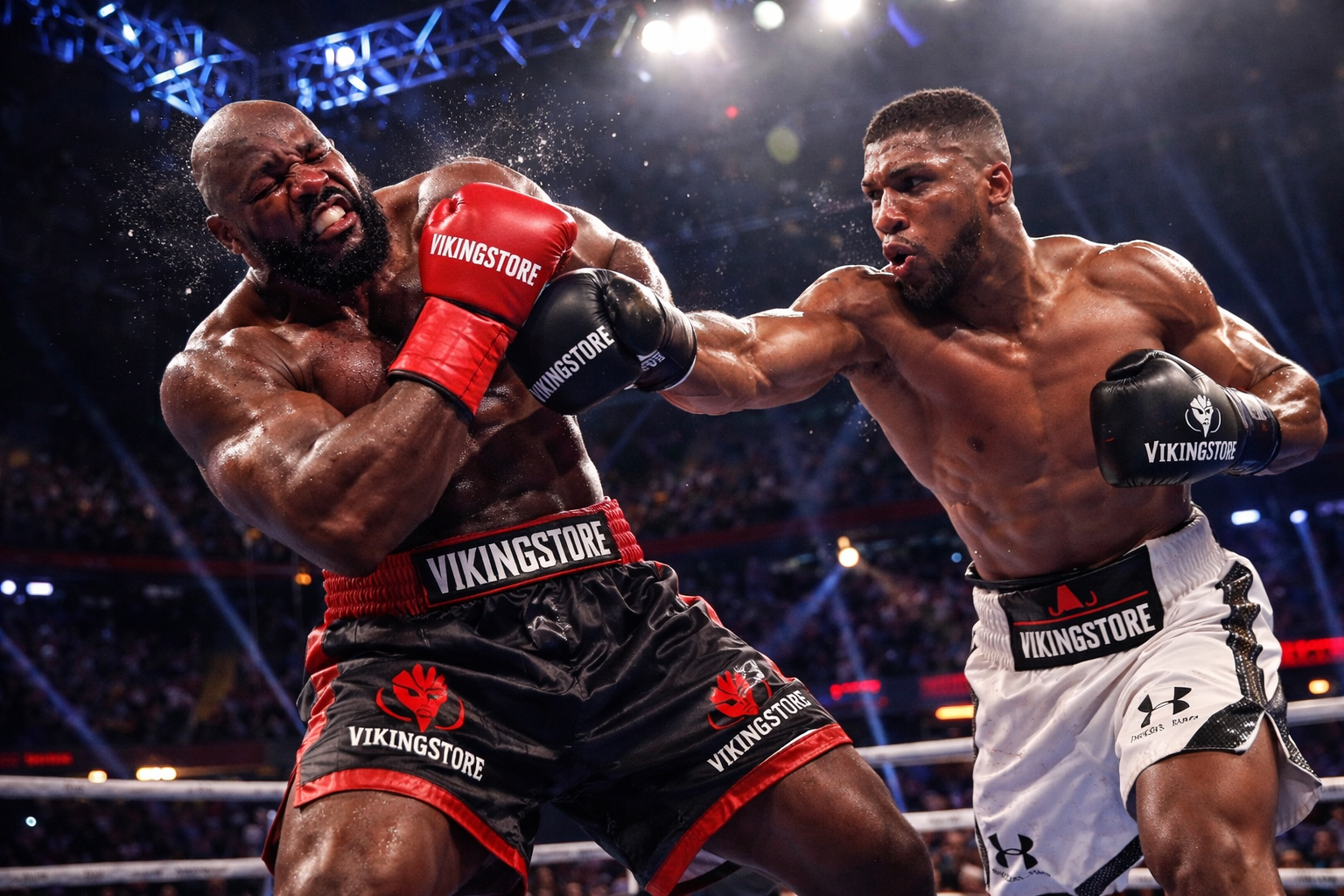
Some images used in this article were generated using artificial intelligence (AI). The individuals depicted are entirely fictional and do not represent real athletes or real persons.
While we would prefer to show real fighters and athletes, professional sports images often come with expensive licensing fees that can easily cost hundreds of francs per photo. Additionally, there are companies that actively search for image usage online in order to send costly legal claims.
To avoid unnecessary legal risks and to continue providing free content and guides, we sometimes use AI-generated images instead.




Comments (0)