1. Why the upper cut is crucial
The upper cut is an indispensable part of your striking arsenal that helps you gain the upper hand in the ring. To master this powerful uppercut, it is important to master the right technique and posture. Keep your feet shoulder-width apart and shift your weight onto your back foot when executing the punch. This will give you the momentum you need to perform the upper cut with full power. Make sure that your chin remains protected during the stroke. Timing also plays a key role: use your upper cut at the right moment to surprise your opponent. To improve your technique, you can plan special training sessions in which you work specifically on your upper cut. Avoid common mistakes such as overstretching or releasing the blow too quickly, which will cause you to lose power. With the right practice and perseverance, you will eventually become a master of the upper cut and be able to realise your full potential.
2. The technique of the upper cut: the basics for a powerful stroke
The Upper Cut is a powerful punch that can often make the difference between victory and defeat. To perfect this uppercut, it is important to understand the basics of the technique. Start with a stable basic stance: your feet should be shoulder-width apart while your knees are slightly bent. This will give you the power you need to hit the ball. Make sure that your upper body remains upright and your shoulders are relaxed. The key to an effective upper cut lies in the timing and correct movement of the upper body. Use your entire body by engaging your hips when executing the punch. Visualise each uppercut and feel the energy flowing from your feet through your body to your hand. Practise this punch regularly with a training partner or on a punching bag to improve your timing and precision. You will soon be able to use the upper cut like a champion.
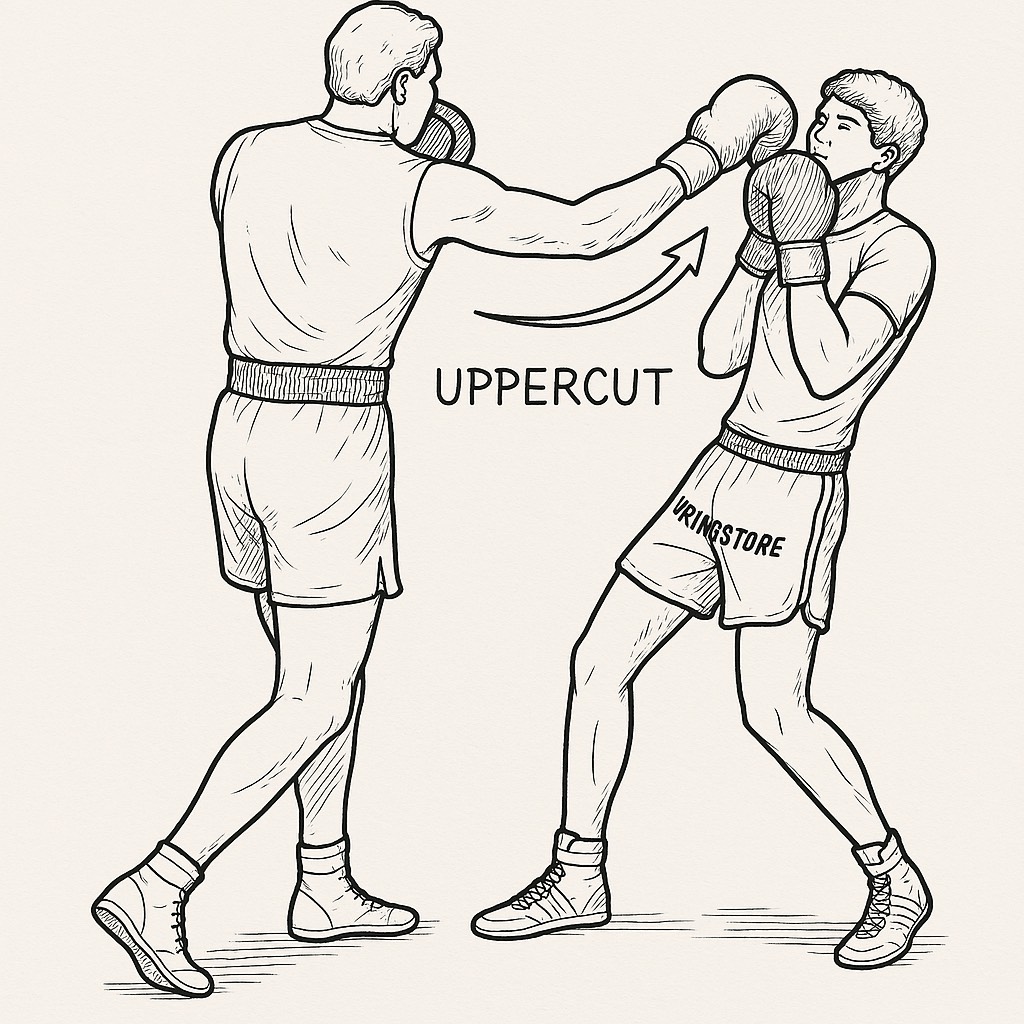
3. The right posture for your upper cut
The right posture is the key to a powerful, healthy body Upper Cut. Start with your feet shoulder-width apart and shift your weight slightly forwards to ensure stability. This basic position allows you to utilise the power from your legs and hips. Keep your knees slightly bent and your hips in a neutral position so as not to restrict mobility. Your upper body should be slightly tilted forwards while your chin is pulled close to your chest to avoid injury. Execute the upper cut with an explosive movement by raising your elbow and bringing your fist towards your opponent's chin in an upward motion. Make sure you combine the punch with a solid body position to maximise power and precision. Practise regularly to refine your technique and develop a feel for the correct timing of the execution. You will soon master your upper cut.
4. The importance of timing in the upper cut
The upper cut is not just a simple punch, but an art form that requires the right timing. To place this powerful uppercut perfectly, you must wait for the right moment when your opponent is most vulnerable. Be sure to watch your opponent's movement closely and anticipate their attacks. A well-timed upper cut can not only be effective, but can also have a decisive influence on the course of the fight. To improve your timing, you can use various training methods such as partner exercises or shadow boxing. Use these opportunities to internalise the sequences. Remember that a quick and precise upper cut can surprise your opponent and give you an advantage. Developing a sense of timing requires patience and constant practice, but the rewards will be reflected in your fighting style. Invest time in your training and make the upper cut your trademark in the ring.
5. Training tips: How to improve your upper cut
Targeted training is essential to take your upper cut to the next level. Start with shadow boxing to refine your technique and posture. Make sure you initiate the punch explosively from a standing position by using your legs and hips powerfully. Use a punching bag to increase the power of your uppercut; repeat the movements regularly to develop a feel for the right contact. Combine your training with partner exercises to improve your timing and learn how to use your upper cut at the right moment. Don't forget to consciously control your movements during training; this will help you avoid common mistakes such as excessive body rotation or insufficient footwork. With consistent training and the right focus, you will quickly make progress and perfect your upper cut. Get support from our shop, where you can get everything you need for your training!
6. Common mistakes with the upper cut and how to avoid them
A perfect upper cut can make the difference between victory and defeat. However, common mistakes are the reason why many fighters do not utilise the full potential of their punches. One common mistake is incorrect posture; make sure your stance is stable to generate maximum power. Another point is timing - the upper cut should come at the right moment to surprise the opponent. Many also underestimate the importance of the hip movement; it is crucial to deliver the shot with full energy. Make sure your chin is protected and your hands are always in the right position to be able to react quickly. Avoid leaning your upper body too far forward as this will jeopardise your balance. Use targeted training sessions to consistently reduce these errors. By working on these weaknesses, you will take your upper cut to a new level and turn it into the weapon that will make you a champion.
7. Master the upper cut and become a champion!
To master the perfect upper cut, the right technique is essential. Make sure you keep your fists in the optimal position while keeping your body stable and well balanced. The uppercut requires a powerful drive from the legs and hips so that your energy flows directly into the punch. Make sure your elbow is not too high as this can affect your swing. Timing plays a big part; you should place the shot at the right moment to maximise impact. Also consider how you can improve this technique in training by working specifically on your posture and timing. Mistakes in the upper cut are common, but with continuous practice and the right feedback, you can avoid them. Stay motivated and work on your technique to achieve the best results - this will quickly put you in the category of champions!













Comments (0)