

Shopping Cart
There are no more items in your cart
Nutrition and Sports Nutrition Explained Clearly
This category provides clear information about nutrition, sports nutrition, muscle building, weight loss and athletic performance. Learn about the roles of protein, carbohydrates and fats, how to build balanced meals and where supplements may fit into your diet.
Our articles are written for people involved in strength training, bodybuilding, fitness, endurance activities and combat sports. Instead of complicated rules and unrealistic promises, we provide practical principles that you can adapt to your lifestyle, training and personal goals.
Which diet supports muscle building?
Building muscle requires regular strength training, adequate energy intake and sufficient recovery. Protein provides amino acids that the body needs to build and maintain muscle mass. Suitable protein sources include meat, fish, eggs, dairy products, legumes, tofu and other plant-based foods.
Protein shakes can be a practical addition when your individual protein requirements are not fully covered by regular foods. However, they should not replace a balanced and varied diet.
How does weight loss work?
Weight loss generally occurs when the body receives less energy than it uses over an extended period. Satisfying meals containing sufficient protein, vegetables and fibre, together with appropriate portion sizes, can make maintaining a calorie deficit easier.
Extreme diets and supposed miracle products rarely provide a sustainable solution. A suitable approach should fit your lifestyle and be realistic enough to maintain over the long term.
What roles do carbohydrates and fats play?
Carbohydrates are an important energy source and can be particularly relevant during intensive training. Fats also provide energy and form part of a balanced diet. Neither carbohydrates nor fats are inherently bad. Your total intake, food choices and individual goals are what matter.
Are dietary supplements necessary?
Dietary supplements are not essential for everyone, but they can be a practical addition depending on your diet, training goals and personal circumstances. Frequently used products include protein powder, creatine, amino acids, carbohydrates, vitamins and minerals.
Our guides explain when certain products may be useful, what their ingredients mean and how to recognise unnecessary product rubbish. For individual health concerns, symptoms or a suspected deficiency, consult a qualified medical or nutrition professional.
Discover Vikingstore’s nutrition guides and learn more about sports nutrition, macronutrients, muscle building and weight management. For advice about our product range, contact us online or visit our stores in Bern and St. Gallen.

Essential nutrients - your foundation for health & performance
If you train hard – whether in bodybuilding, boxing, or Muay Thai – you already know that workouts alone aren’t enough. Your body needs building blocks it can’t produce on its own. These are called essential nutrients. If you don’t get them through food or targeted supplementation, you may eventually face performance drops, fatigue, a weakened immune system, or even muscle loss.
Read more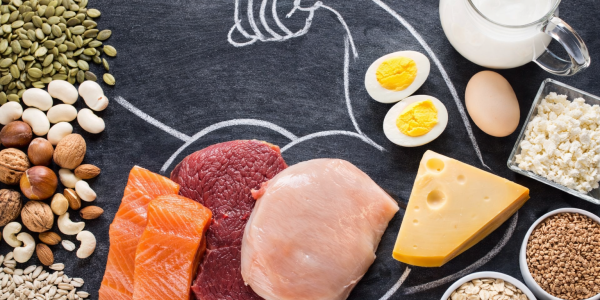
Nutrition for muscle building - why your body gives you the answer you need
If you want to build up your muscles in a targeted way, you've probably heard countless tips on nutrition. But as important as the right diet is, without your body's response, all that knowledge is often ineffective. At Vikingstore, we firmly believe that with the right nutrition and the right equipment, you can take your muscle building to the next level. Let's find out together why your body gives the most important response to your diet and how you can make the most of these signals.
Read more
Warum Meal Prep den entscheidenden Unterschied machen kann
In a fast-paced world where time is often at a premium, meal prep can be a game changer. Not only does it help you save time, but it also helps you achieve your fitness and health goals more efficiently. Today it's all about Meal Prep and the benefits you can reap from it.
Read more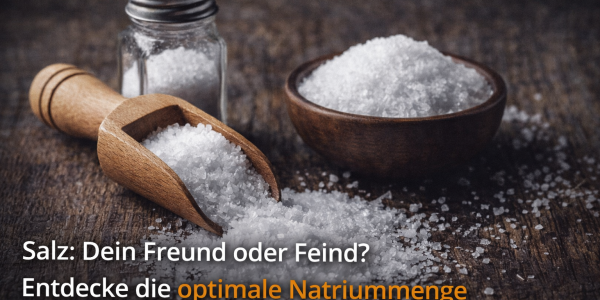
Salt: your friend or foe? Discover the optimal amount of sodium for your health!
High salt intake is often associated with a number of health problems, including high blood pressure and cardiovascular disease. But how much sodium (salt) is actually good or bad for our bodies? The answer to this question is complex and depends on many factors, such as age, gender and physical activity. In this article, we'll take a closer look at the topic to help you make an informed decision about your salt intake. We will also provide some tips on how you can reduce your salt intake without sacrificing the taste of your favourite dishes. Read on to find out more about how you can boost your health by eating the right amount of sodium!
Read more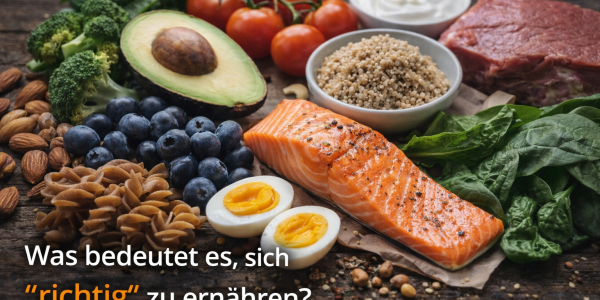
What does it mean to eat "properly"?
Welcome to our blog post on "What does it mean to eat 'right'?" There are countless diet trends, nutrition guides and expert opinions telling us what we should and shouldn't eat. But in the midst of this flood of information, the question arises: What is actually right? Is it a certain type of food or a specific eating behaviour? In this post, we'll explore together what it really means to eat right and how each individual can find their own path to healthy eating. Get ready to rethink your eating habits and get started on the road to a balanced and sustainable lifestyle.
Read more
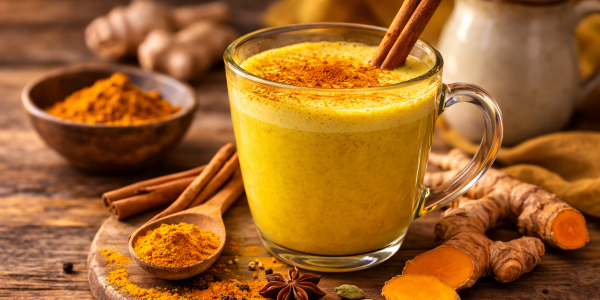
Golden milk - the effect of the Ayurvedic magic potion made from turmeric
Golden milk (also known as "turmeric latte" or "turmeric latte") not only tastes good but is also incredibly healthy. The Ayurvedic recipe is currently on everyone's lips - in the truest sense of the word! Anyone who has ever tried it is happy to give up their coffee in the morning. But you can not only buy them in drugstores and organic vegan shops, you can also make them quickly and easily yourself.
Read more
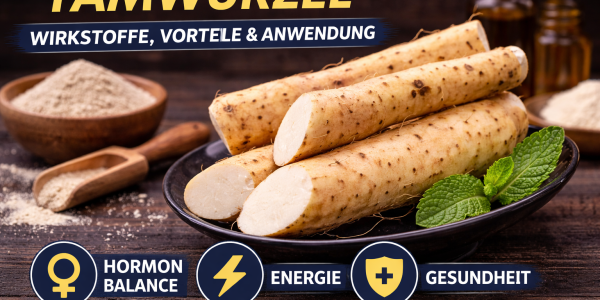
Yam root: Effects and uses of the traditional plant
The yam root is a tropical tuber that has been used as a food source for centuries in many regions of the world. In parts of Africa, Asia and South America it is considered an important staple food. Besides its role in cooking, the plant is often discussed in the context of nutrition and dietary supplements. In Europe, yam root is mainly available as an ingredient in dietary supplements. Many people are interested in its natural compounds and possible nutritional properties.
Read more