Many women receive the diagnosis of lipedema only after a long period of uncertainty. Changes in the legs, hips, or arms are often initially interpreted as ordinary weight gain. Only later does it become clear that it may be a specific fat distribution disorder that can be physically and emotionally challenging.
In addition to medical treatments, many affected individuals are interested in supportive lifestyle measures. These often include physical activity, compression therapy, lymphatic drainage, and a balanced diet.
This article explains how nutrition may play a role in supporting overall well-being for people with lipedema and which dietary approaches are commonly discussed.
What Is Lipedema?
The term lipedema consists of two parts:
Lip = fat
Edema = swelling
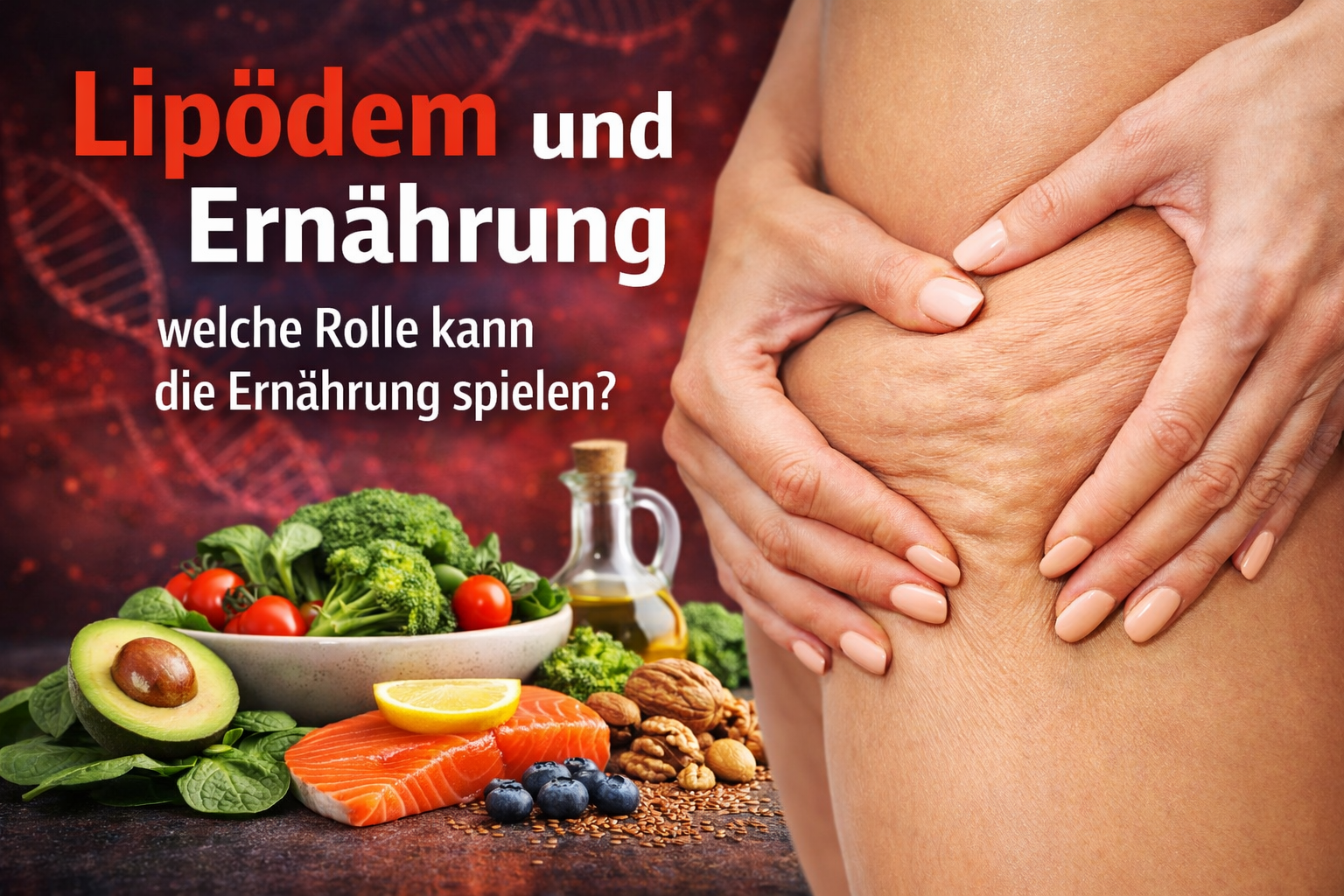
Lipedema is a disorder of fat distribution that occurs primarily in women. It is typically characterized by symmetrical fat accumulation in areas such as:
- hips
- thighs
- buttocks
- sometimes the arms
The affected areas may be sensitive to pressure and bruising may occur more easily. The exact causes are not yet fully understood. Hormonal factors are often discussed, especially during phases such as puberty, pregnancy, or menopause.
Genetic predisposition may also play a role.
Can Nutrition Have an Influence?
A balanced diet can support overall health and metabolic function. Although nutrition cannot cure lipedema, many people report that a healthy dietary pattern can help improve their general well-being.
A diet that focuses on minimally processed foods is often recommended. This may include:
- fresh vegetables
- fruit in moderate amounts
- healthy fats
- protein-rich foods
- fiber-rich ingredients
Such nutritional habits can contribute to stable blood sugar levels and steady energy supply for the body.
Frequently Discussed Dietary Approaches
Some people with lipedema report positive experiences with reduced carbohydrate diets, including:
Low-carb nutrition
Ketogenic diets
These approaches typically reduce highly processed carbohydrates while emphasizing vegetables, protein, and healthy fats.
However, dietary strategies should always be considered individually.
Important Components of a Balanced Diet
A varied and balanced diet may include the following elements.
Vegetables and Plant Foods
Green vegetables, leafy greens, and herbs contain many micronutrients and plant compounds.
Dietary Fiber
Fiber-rich foods can support digestion and promote a longer feeling of fullness.
Healthy Fats
Commonly recommended sources of healthy fats include:
- olive oil
- flaxseed oil
- nuts and seeds
- avocados
Protein-Rich Foods
Protein plays an important role in many metabolic processes in the body.
Foods That Are Often Reduced
Many nutritional programs recommend limiting heavily processed foods such as:
- highly sugared products
- ultra-processed meals
- sugary drinks
- refined white flour products
Reducing these foods may contribute to a more balanced diet overall.
The Role of Physical Activity
Alongside nutrition, regular physical activity can play an important role in overall well-being.
Common activities include:
- walking
- swimming
- water aerobics
- yoga
- moderate endurance training
Regular movement may support circulation and overall fitness.
Additional Supportive Measures
Many people with lipedema also make use of complementary approaches such as:
- compression therapy
- manual lymphatic drainage
- physiotherapy
These measures should always be discussed with qualified healthcare professionals.
Conclusion
Lipedema is a complex condition whose causes are not yet fully understood. While nutrition cannot cure the condition, a balanced and nutrient-rich diet may help support general well-being.
Combining healthy eating habits with regular physical activity and appropriate medical guidance may help individuals manage their lifestyle in a supportive way.
Disclaimer
This article is intended for informational purposes only and does not replace professional medical advice, diagnosis, or treatment.








Comments (0)