If you train hard – whether in bodybuilding, boxing, or Muay Thai – you already know that workouts alone aren’t enough. Your body needs building blocks it can’t produce on its own. These are called essential nutrients.
If you don’t get them through food or targeted supplementation, you may eventually face performance drops, fatigue, a weakened immune system, or even muscle loss.
In this article, you’ll learn:
- The key categories of essential nutrients
- Why they matter so much for athletes and fighters
- How to cover your daily needs in a practical way
- When supplements make sense and what to look out for
1. What Does “Essential” Actually Mean?
“Essential” means that your body absolutely needs these nutrients to function properly but can’t make them itself (or only in insufficient amounts). You have to get them through food or supplements.
A lack of essential nutrients develops gradually. Common signs include fatigue, loss of concentration, poor recovery, muscle problems, weakened immunity, or hormonal imbalances.
2. The Main Categories of Essential Nutrients
2.1 Essential Amino Acids (EAA)
- Proteins are made up of amino acids. Eight of them are considered essential for adults (e.g. leucine, lysine, methionine).
- Functions: muscle building and repair, hormone and enzyme production, immune support.
- For athletes and fighters, the demand is higher because training causes micro-damage that needs to be repaired.
Sources: lean meat, fish, eggs, dairy, legumes, or targeted EAA/BCAA supplements.
2.2 Essential Fatty Acids (Omega-3 and Omega-6)
- Not all fats are bad. Some are absolutely essential, especially omega-3 fatty acids (EPA, DHA) and, in balanced amounts, omega-6.
- Functions: regulate inflammation, support cardiovascular health, brain function, and maintain healthy cell membranes.
Sources: fatty fish (e.g. salmon, mackerel), flaxseed or walnut oil, high-quality fish or algae oil supplements.
2.3 Vitamins
Vitamins are involved in countless metabolic processes. Some are fat-soluble (A, D, E, K), others are water-soluble (B-complex, C).
- Vitamin D: key for bone health, immune function, and hormones.
- B-vitamins: essential for energy production, nerve health, and recovery.
- Vitamin C: supports collagen synthesis and immune defense.
- Vitamins A, E, K: support vision, blood clotting, and cell protection.
2.4 Minerals and Trace Elements
They’re required in small amounts but play critical roles:
- Calcium, magnesium: bone structure, muscle contraction, nerve conduction
- Iron: oxygen transport
- Zinc, selenium, copper, manganese: antioxidant protection, immune support, enzyme activation
Deficiencies can lead to cramps, fatigue, slower recovery, or a weakened immune system.
2.5 Water and Fiber
While often overlooked, they’re essential for proper body function:
- Water: regulates body temperature, transports nutrients, supports cellular functions.
- Fiber: promotes digestion, satiety, and a healthy gut microbiome.
3. Why These Nutrients Matter for Athletes and Fighters
When training intensity increases, so do nutrient requirements:
- Your body needs to repair muscle, tendon, and connective tissue damage.
- Metabolic processes run at full speed, producing more free radicals → higher antioxidant demand.
- Your immune system is under greater stress.
- During calorie restriction or weight-class prep, micronutrient intake often drops.
Ignoring these needs increases the risk of fatigue, hormonal imbalances, overtraining, or injuries.
4. Covering Your Daily Needs in Practice
4.1 Focus on Variety and Quality
- Alternate between animal and plant protein sources.
- Include fatty fish, nuts, and seeds for omega-3.
- Eat a variety of vegetables and fruits for vitamins, phytonutrients, and fiber.
- Add legumes and whole grains for minerals and complex carbs.
- Use high-quality oils (olive, canola, walnut).
4.2 Smart Food Combinations
- Fat-soluble vitamins (A, D, E, K) are best absorbed with fat.
- Non-heme iron (plant-based) is better absorbed with vitamin C-rich foods.
- Avoid large doses of calcium and iron at the same time, as they compete for absorption.
4.3 Supplements as Strategic Support
Supplements are not a replacement for a solid diet, but they can be a smart insurance policy when needs are high. Common examples:
- High-quality multivitamins for daily coverage
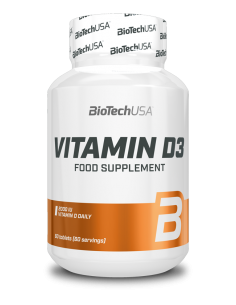
- Vitamin D3 + K2 during winter or low sun exposure
- Omega-3 oils (fish or algae)
- EAA, BCAA, or whey isolate for targeted muscle support
- Magnesium, zinc, or iron if deficiencies are confirmed
Always check your blood levels (vitamin D, iron status, zinc) before supplementing blindly.
5. Sample Daily Plan for Strength or Combat Sports
|
Meal
|
Contents
|
Focus
|
|
Breakfast
|
Oats with milk or plant drink, nuts, berries, optional protein powder
|
Balanced energy, protein, fiber, micronutrients
|
|
Snack
|
Yogurt + fruit / veggie sticks with nut butter
|
Mid-morning micronutrient boost
|
|
Lunch
|
Lean meat / fish / tofu + quinoa or sweet potato + vegetables + olive oil
|
Complete macro & micro nutrient profile
|
|
Pre-workout
|
Banana / rice cakes + small EAA portion
|
Quick energy + amino acids
|
|
Post-workout
|
Whey isolate + fruit or rice + vegetables
|
Rapid nutrient delivery for recovery
|
|
Dinner
|
Fish / lean meat / eggs + vegetables + complex carbs or healthy fats
|
Recovery and overnight support
|
|
Late snack (optional)
|
Cottage cheese or casein + nuts
|
Slow protein release overnight
|
6. Common Mistakes and Myths
- “More is better” with vitamins and minerals is false. Overdosing, especially on fat-soluble vitamins, can be harmful.
- Replacing real meals with supplements is not sustainable.
- Using the same supplements for everyone ignores individual needs.
- Relying only on how you feel can mask silent deficiencies.
- Focusing only on macronutrients while neglecting micronutrients is a classic mistake.
7. How to Optimize Your Nutrient Strategy
- Analyze your diet over several days to spot gaps.
- Get blood tests for key markers like vitamin D, iron, zinc.
- Choose supplements strategically, not randomly.
- Prioritize quality over quantity – avoid cheap, ineffective products.
- Reassess regularly and adjust as your training load and seasons change.
Conclusion
Essential nutrients are the foundation for long-term health and performance. By combining a diverse, nutrient-dense diet with smart supplementation where needed, you can strengthen your body, enhance recovery, and perform at your best – day after day.








Comments (0)