How well do you know the secrets that can take your athletic performance to a new level? Magnesium is not just a mineral, but an indispensable training partner for every athlete who wants to achieve their goals. In this article, you will learn all about the crucial role of magnesium for your body, how it supports muscle regeneration and reduces stress. We'll also show you which magnesium-rich foods you can integrate into your diet and the benefits of magnesium supplements. Let's discover together how you can boost your athletic performance and speed up your recovery with magnesium!
Magnesium and its importance for athletes
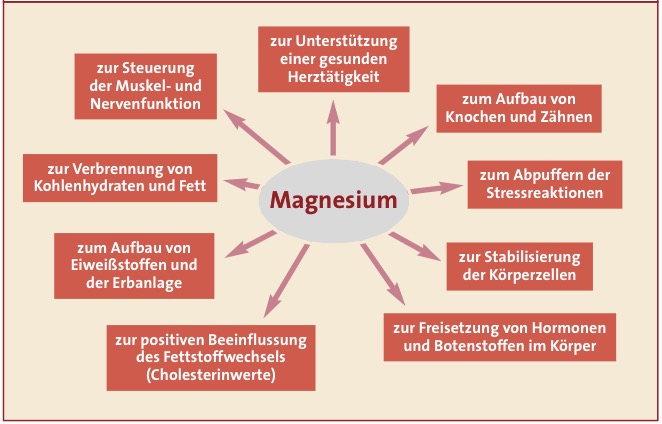
Magnesium plays a crucial role in an athlete's health and performance. This essential mineral is involved in numerous biological processes that are essential for our physical fitness. Magnesium is not only important for muscle contraction, but also for energy production in the body. It supports the conversion of food into energy, which is particularly important during intensive training sessions. So if you want to achieve your athletic goals, it is important to have enough magnesium in your diet. A deficiency of this mineral can lead to a number of problems, including fatigue, muscle cramps and reduced performance.
The role of magnesium in the body
The functions of magnesium in the human body are manifold. It contributes to the regulation of muscle and nerve functions and plays a key role in the synthesis of proteins and DNA repair. Magnesium is particularly important for athletes, as it helps to optimise muscle supply and support muscle function. During physical exertion, we not only lose water through sweat, but also important minerals such as magnesium. It is therefore crucial to keep magnesium levels in balance in order to achieve optimum performance and prevent injuries.
Magnesium and muscle regeneration
Muscle recovery is very important for athletes, and this is where magnesium comes into play. After intensive training sessions, our muscles need time to recover and magnesium can significantly support this process. It helps to reduce muscle cramps and promotes muscle recovery after exercise. Studies show that adequate magnesium levels are correlated with faster recovery after exercise. This means that you spend less time dealing with pain or tension and are ready for the next training session more quickly.
Magnesium for stress and pressure to perform
Stress is a frequent companion in sport, and magnesium can help to alleviate its effects. In stressful situations, more magnesium is needed to calm the nerves and maintain mental strength. Optimum magnesium levels can help to increase stress resistance and improve concentration during training or competition. The ability to remain calm and focussed under pressure can often make the difference between winning and losing. Therefore, it is not only important to pay attention to the physical aspects of training, but also to mental health.
With this knowledge of the importance of magnesium for your body, we are ready to turn our attention to the benefits of magnesium supplements specifically designed to meet the needs of athletes.
The benefits of magnesium supplements
Magnesium supplements offer numerous benefits that are specifically tailored to the needs of athletes. In today's fast-paced world, where many of us are juggling a hectic lifestyle, it can be a challenge to get all the nutrients you need through diet alone. This is where magnesium supplements come into play to ensure you can support your body in the best way possible. They are not only convenient, but also effective in boosting performance and overall wellbeing.
Different types of magnesium supplements
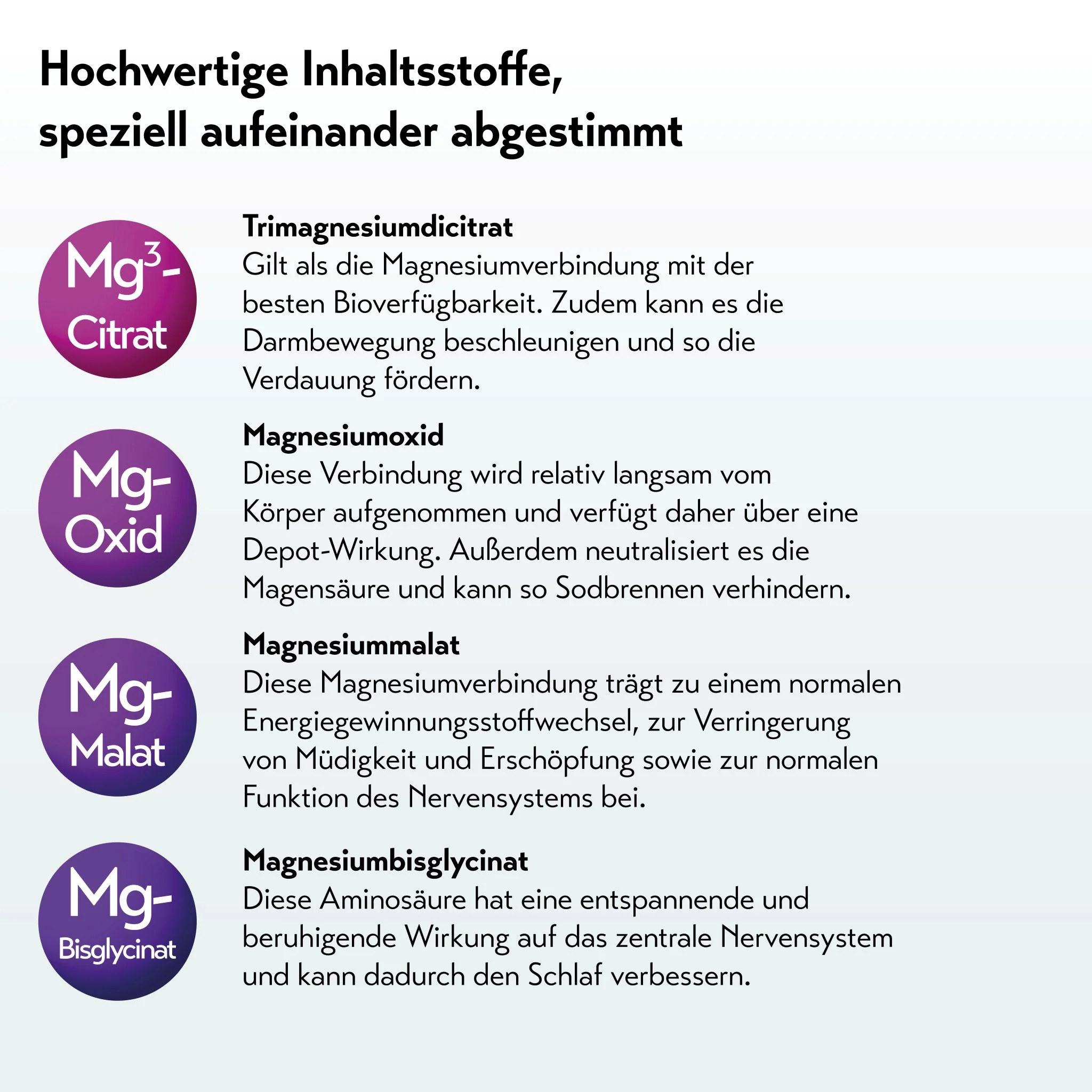
There are a variety of magnesium supplements on the market, and each has its own specific benefits. The most common forms include Magnesium citrate, magnesium oxide, magnesium glycinate and magnesium chloride.
Magnesium citrate is particularly popular as it is well absorbed by the body and has a mild laxative effect. This form is ideal for supporting digestion and can help to relieve constipation. Magnesium oxide, on the other hand, contains a higher proportion of elemental magnesium, but is less bioavailable. It is often used in higher doses to compensate for a magnesium deficiency.
Magnesium glycinate is a chelated form of magnesium known for its high bioavailability. This variant is particularly beneficial for people with sensitive stomachs or sleep problems, as it has a calming effect and can improve sleep quality. Finally, magnesium chloride is another option that is ideal for external use, for example in the form of oils or baths for muscle relaxation.
Viking tip: We advise against products made from pure magnesium oxide, as it has very poor bioavailability. It is better to invest your money in a high-quality raw material.
You can find out more about the different species here: Magnesium types
Specific benefits for fitness and martial artists
Taking magnesium supplements can have various specific benefits for athletes. One of the biggest benefits is the support of muscle contractions. Magnesium plays a crucial role in the transmission of nerve impulses to the muscles. Adequate magnesium levels ensure that your muscles can work efficiently, which is especially important during intense training sessions.
Magnesium supplements also promote regeneration after training. They help to relieve muscle tension and shorten recovery time. If you train or compete regularly, this can make a big difference to your performance. Many athletes report a noticeable improvement in their recovery times after taking magnesium.
Another important aspect is stress management. Sport can often be stressful, both physically and mentally. Magnesium has been shown to have a calming effect on the nervous system and can help to reduce stress. This not only leads to better mental clarity during training, but also to increased concentration during competition.
The correct intake of magnesium supplements
The correct intake of magnesium supplements is crucial for the success of your training routine. It is recommended to take the supplements in several small doses throughout the day to ensure the best absorption. This can help to maintain a constant magnesium level in the blood.
The ideal time to take it is before or after training. Before training, it ensures optimal muscle supply and energy production, while after training it contributes to regeneration. It is important to note that you should drink enough water to support the effect of the supplements and avoid possible side effects such as stomach problems.
The dosage depends on various factors, including your age, gender and activity level. In general, the recommended daily dose for adults is between 300 and 400 mg. This dose can be increased for intensive training sessions or competitions.
With this valuable information about magnesium supplements, we are ready to turn our attention to magnesium-rich foods that can support a balanced diet.
Magnesium-rich foods for a balanced diet
A balanced diet is crucial for athletic performance, and magnesium-rich foods play an important role in this. Magnesium is an essential mineral that is not only important for muscle and nerve function, but also contributes to energy production and the regulation of metabolism. To ensure that you get enough magnesium, it makes sense to include certain foods in your diet. In this section, we will introduce various foods that are rich in magnesium and provide tips on how to easily incorporate them into your daily diet.

Foods with a high magnesium content
The best sources of magnesium include green leafy vegetables such as spinach and chard. These vegetables are not only rich in nutrients, but also versatile. You can enjoy them in salads, smoothies or as a side dish to your main meals. One portion of cooked spinach already contains a significant proportion of your daily magnesium requirement.
Nuts and seeds are also excellent sources of magnesium. Almonds, cashews and pumpkin seeds are particularly rich in this mineral. They are perfect as a snack between meals or as a topping for yoghurt and oatmeal. In addition, pulses such as beans, lentils and chickpeas are not only a good source of protein, but also contain a lot of magnesium. These can easily be added to soups, stews or salads.
Wholemeal products such as oatmeal, quinoa and brown rice are also rich in magnesium and provide additional fibre, which is important for digestion. For example, you can prepare oatmeal with fresh fruit and nuts for breakfast or use quinoa as the basis for a healthy salad.
Fish is another valuable source of magnesium. Fatty fish in particular, such as salmon and mackerel, not only provide high-quality protein, but also important fatty acids and minerals. These can be served grilled or steamed and are a delicious addition to your diet.
Tips for integrating magnesium-rich foods
To ensure you have enough magnesium-rich foods in your diet, there are some simple strategies you can implement. Plan your meals in advance and make sure that each meal contains a source of magnesium. A varied meal plan not only helps you get all the nutrients you need, but also makes eating more interesting.
Another helpful tip is to choose snacks consciously. Instead of reaching for unhealthy snacks, you can prepare a handful of nuts or a smoothie with green leafy vegetables. These small changes can make a big difference and help you meet your magnesium needs.
You can also try new recipes that contain magnesium-rich ingredients. You can find plenty of inspiration online for healthy dishes that are both delicious and nutritious. Cooking with fresh ingredients is not only good for your health, it's also fun!
The importance of a balanced diet
A balanced diet is not only crucial for athletic performance, but also for general well-being. By integrating magnesium-rich foods into your diet, you not only support your muscle function and regeneration, but also promote your mental strength and stress resistance.
Remember that the body needs more minerals during intensive training sessions. It is therefore particularly important to ensure a sufficient intake of magnesium. If you eat healthily and take care of your needs, you will quickly feel the positive effects.
With this valuable information on magnesium-rich foods, we are ready to turn our attention to the dosage and intake of magnesium for athletes.
Dosing and intake of magnesium for athletes
The correct dosage of Magnesium is crucial to achieving the desired results. Magnesium is a mineral that plays a role in many biological processes, and optimal intake can make the difference between a good workout and a great one. To ensure you get the most out of your workout, it's important to know the recommended daily doses for different sports and choose the best time to take magnesium supplements.
Recommended daily doses for athletes
The recommended daily dose of Magnesium varies according to age, gender and activity level. For adults, the general recommendation is between 300 and 400 mg per day. However, athletes often have a higher requirement as they lose more magnesium through intensive training. For example, strength athletes or endurance athletes may need up to 500 mg or more to optimise their performance and prevent muscle cramps. It's important to listen to your body and adjust your intake if necessary, especially if you notice signs of magnesium deficiency, such as z.B. Muscle tension or fatigue.
The best time to take magnesium
The timing of the intake of Magnesium can also have a major influence on its effectiveness. Many athletes report positive effects when they take magnesium before training. This can help to optimise the supply of nutrients to the muscles and support energy production during training. So if you are about to do an intensive session, a dose of magnesium 30 to 60 minutes beforehand can be useful.
After training is another important time to take magnesium. During the recovery phase, your body needs minerals to repair muscle tissue and reduce inflammation. A post-workout dose can help speed up recovery and relieve muscle tension. You can also take magnesium in combination with other nutrients such as protein to maximise absorption.
Forms of magnesium supplements
There are various forms of magnesium supplements on the market, each with their own benefits. Magnesium citrate is known for its good bioavailability and is often recommended as it is easily absorbed by the body. This form is ideal for athletes who want a quick effect. Another popular option is magnesium glycinate, which is gentler on the stomach and has additional calming properties. This can be particularly useful if you want to calm down after a stressful workout.
When deciding on a supplement, make sure that it is of high quality and does not contain any unnecessary additives. High-quality products such as Biolectra offer a targeted supply of magnesium in various forms so that you can choose the right variant for you.
Possible interactions
It is also important to be aware of possible interactions between magnesium supplements and other foods or medications. Some medications can affect the absorption of magnesium or vice versa. It is therefore advisable to consult a doctor or nutritionist before taking magnesium supplements, especially if you regularly take medication.
With this information on magnesium dosage and intake, we are now ready to move on to the possible side effects and precautions that athletes should be aware of.
Possible side effects and precautions
Although magnesium offers many benefits, there are also some potential side effects that athletes should be aware of. It is important to be aware of the fact that an overdose of magnesium can lead to unwanted effects. The most common side effects include diarrhoea, nausea and stomach discomfort. These symptoms often occur when the intake of magnesium supplements is increased abruptly or in very high doses. It is therefore advisable to start with a low dose and gradually increase it to find out how the body reacts.
Another aspect you should consider is the interaction of Magnesium with other minerals and vitamins. For example, a high intake of calcium can impair the absorption of magnesium. So if you take calcium supplements or consume particularly calcium-rich foods, this could reduce the effectiveness of your magnesium intake. To ensure you get the best results, it is advisable to take magnesium and calcium in different time slots.
A magnesium deficiency can also have serious effects on your health. Symptoms of a magnesium deficiency include muscle cramps, fatigue and an increased risk of injury. It is therefore crucial to make sure you eat a balanced diet and use supplements if necessary. If you suspect you have a magnesium deficiency, you should definitely consult a doctor or nutritionist to determine your individual needs and discuss suitable measures.
The type of Magnesium supplements can also make a difference. Some forms such as magnesium citrate are better absorbed by the body than others such as magnesium oxide. If you are sensitive to certain types of supplements, it can be helpful to try different forms or seek advice from a specialist. You can find high-quality products in our Vikingstore. We offer various options that are tailored to the needs of athletes.
It is also important to listen to your body. Everyone reacts differently to supplements, and what works for one person may not necessarily work for you. Pay attention to how your body reacts to taking magnesium and adjust your dosage accordingly. If symptoms persist, you should definitely consult a doctor.
A final point concerns the intake of magnesium during pregnancy and breastfeeding. Pregnant women often have a higher need for minerals, including magnesium. However, it is important to consult a doctor before taking supplements during this time to rule out any possible risks.
To summarise, magnesium is a valuable mineral for athletes that offers numerous benefits. Nevertheless, it is important to be aware of the possible side effects and to take it responsibly. A balanced diet and targeted supplementation can help you to achieve your sporting goals safely and effectively.
Conclusion: Magnesium as an indispensable training partner
The importance of magnesium for athletes cannot be overstated, as it is more than just a mineral - it is a key to better performance and faster recovery times. When we consider the numerous benefits that magnesium provides to our muscle and nerve function, it becomes clear that it is an essential part of any exercise routine. Whether you're sweating it out in the gym, battling it out in the ring or just staying active, magnesium's role in energy production and muscle contraction is crucial. By incorporating magnesium-rich foods such as leafy green vegetables, nuts and whole grains into our diet, and using high-quality magnesium supplements when appropriate, we can ensure that our bodies are optimally fuelled. The correct dosage and timing of intake are also important to achieve the best results. It is advisable to listen to the individual needs of the body and make adjustments if necessary. At the same time, we should be aware of the possible side effects and take it responsibly in order to utilise the full potential of magnesium. In a world where stress and pressure to perform are omnipresent, magnesium can also help to boost our mental strength and reduce stress. To summarise, magnesium is not just a simple nutrient, but a valuable training partner that supports us on our way to peak athletic performance. So let's join forces and integrate magnesium into our daily routine! For more information on the role of magnesium in nutrition, you can visit this page.
The text of the article is subject to the copyright of the author and may not be used by third parties








Comments (0)