- Vivien Rolf
- Supplements
- 0 likes
- 1560 views
- 0 comments
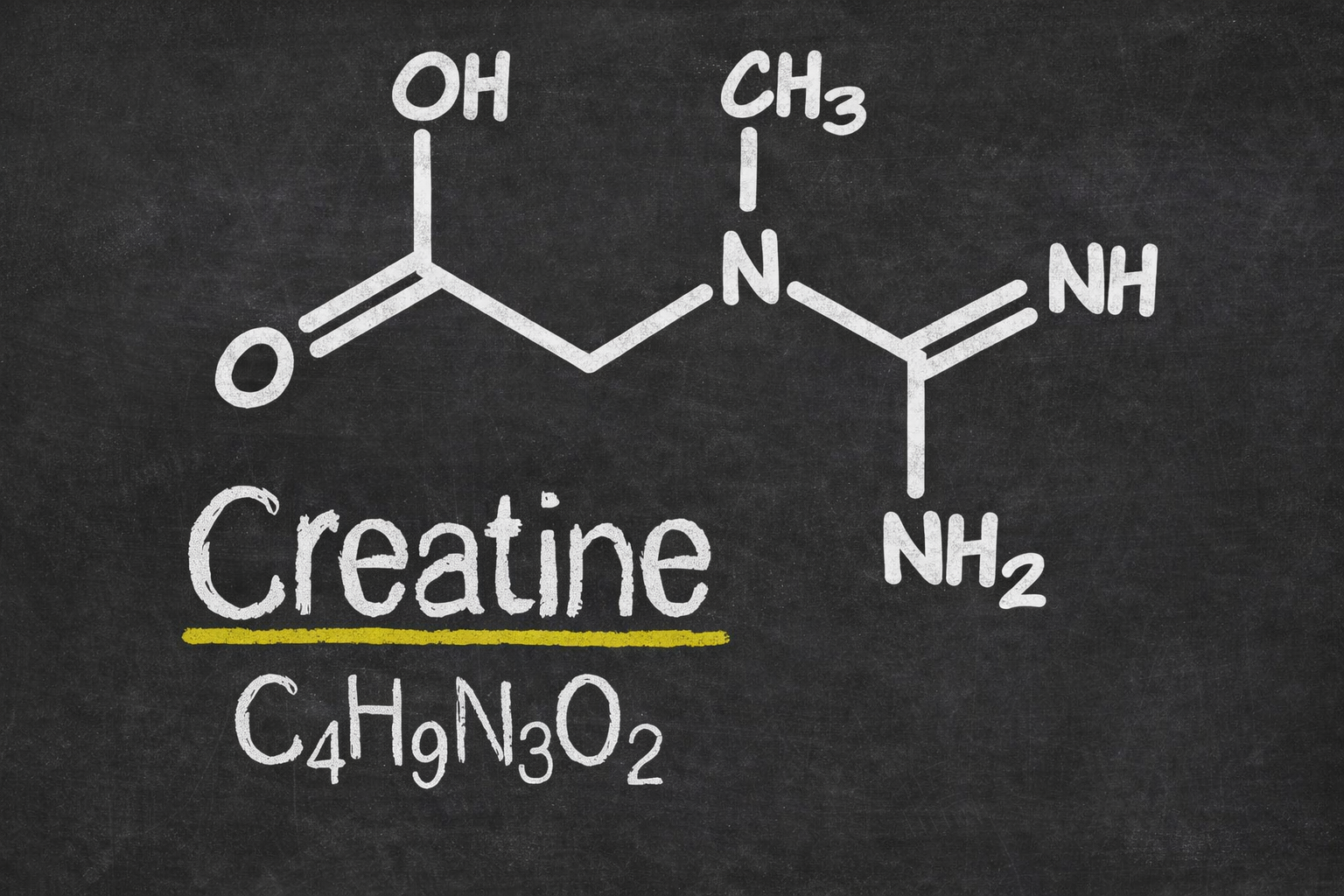
What is creatine and how does it work in the body?
Creatine is a nitrogen compound that is synthesised in the kidneys and liver from the amino acids glycine, arginine and methionine. We also ingest creatine through our diet, particularly through fish or meat (around 0.5 g of creatine per 100 g). The total creatine supply in the body of a 70 kg person is around 120 g, of which around 95 % is stored in the skeletal muscles. Around 2 g is broken down daily and excreted as creatinine in the urine. Vegetarians who consume virtually no creatine have around 10% lower creatine stores compared to people who regularly consume meat or fish. Nevertheless, this does not result in deficiency symptoms, as the body produces enough creatine itself.
How creatine works in the body
Creatine is stored in the body as creatine phosphate and fulfils several important functions for the provision of energy in the muscles. These include the regeneration of the energy carrier ATP (adenosine triphosphate), which is of crucial importance for short-term, intensive exertion. Creatine is also present in higher concentrations in the fast muscle fibres (type II) than in the slow muscle fibres (type I). In addition to sporting activities, creatine also supports muscular and neurological functions in various diseases as well as in older people or during rehabilitation. An increased availability of creatine or creatine phosphate in the muscle cells increases anaerobic-alactacidic performance through improved ATP availability. This explains the increase in performance during short, intensive strength and sprinting exercises, especially during repeated exercises with short recovery phases.
In addition, creatine in combination with strength training can promote the build-up of muscle mass and strength. This effect is particularly evident when supplementation is combined with regular strength training over several weeks. Some athletes even experience an increase in muscle mass, even if creatine is not used during targeted strength training phases. The additional muscle mass is sometimes retained even after creatine is discontinued, which was previously assessed differently.

Comments (0)