Protein is one of the most popular supplements in fitness and bodybuilding. Alongside traditional whey protein, multi-component protein powders have become increasingly popular. But what exactly are they, and who can benefit from them?
What Is a Multi-Component Protein?
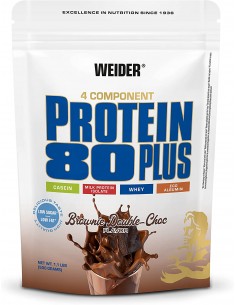
A multi-component protein combines several different protein sources in one product. Common ingredients include:
- Whey protein
- Casein
- Milk protein isolate
- Egg protein
The idea is simple: each protein source is digested at a different rate, providing the body with amino acids over a longer period of time.
What Is Casein?
Casein is the main protein naturally found in milk and makes up around 80% of milk protein.
Unlike whey protein, casein is digested much more slowly. In the stomach, it forms a gel-like structure, which slows down digestion and the release of amino acids into the bloodstream.
For this reason, many athletes prefer casein-containing products in the evening or during long periods without meals.
Why Do Some People Have Trouble Digesting Multi-Component Proteins?
In most cases, the issue is not the casein itself but the lactose content.
Lactose is the natural sugar found in milk. Since many multi-component proteins contain larger amounts of milk protein and casein, they often contain more lactose than high-quality whey isolates.
People with lactose intolerance may experience:
- Bloating
- Stomach discomfort
- Gas
- Diarrhea
If you are sensitive to lactose, it is important to check the nutrition label or choose a low-lactose whey isolate instead.
Why Are Multi-Component Proteins So Popular?
Many customers choose multi-component protein not because of the slower digestion but because of the taste and texture.
Thanks to the higher casein and milk protein content, these shakes are often:
- Creamier
- Thicker
- More filling
- Richer in flavor
Pure whey protein is usually thinner and more like a drink, while a good multi-component protein often feels more like a milkshake or dessert.
This is one of the main reasons why multi-component proteins remain among the best-selling protein powders worldwide.
Multi-Component Protein vs. Whey Protein
Whey protein is absorbed quickly and is especially popular after training.
Multi-component proteins combine fast and slow-digesting protein sources, providing a more gradual release of amino acids.
For most recreational athletes, the difference is often less important than expected. The total amount of protein consumed throughout the day is usually the key factor for muscle growth and recovery.
Who Should Use Multi-Component Protein?
Multi-component protein can be a great choice for:
- Muscle building
- Meal replacements
- Breakfast shakes
- Evening protein shakes
- Athletes who prefer a creamy texture
Those looking for a light and fast-digesting post-workout shake may prefer a pure whey protein instead.
Conclusion
Multi-component protein combines several protein sources and offers a rich, creamy taste that many athletes enjoy. The casein content helps create a thicker texture and can provide a longer-lasting feeling of fullness compared to pure whey protein.
People with lactose intolerance should pay attention to the lactose content, as many multi-component proteins contain more milk sugar than high-quality whey isolates.
For many customers, the biggest advantage is not the digestion speed but the taste. That is exactly why quality multi-component proteins continue to be among the most popular protein supplements on the market.







Comments (0)