If you are looking for a protein supplement, you will quickly come across terms such as Whey Protein, Whey Isolate, Casein or Vegan Protein. But what are the differences? Do you really need several protein powders, or is one enough?
In this guide, we explain the most common protein types, their benefits, and which one is best suited to your goals.
Why Is Protein Important?
Protein is one of the body's essential nutrients. It contributes to the growth and maintenance of muscle mass and helps maintain normal bones. People who exercise regularly or participate in strength training often have a higher daily protein requirement.
A protein shake should not replace a balanced diet, but it is a convenient way to increase your daily protein intake.
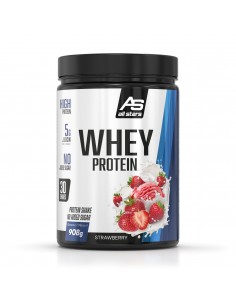
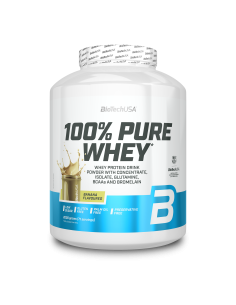
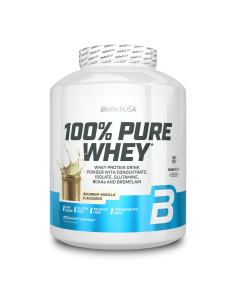
Whey Protein
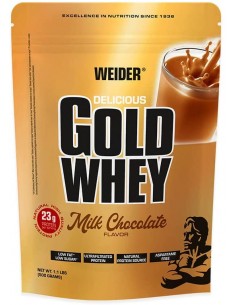
Whey Protein is the most popular and widely used protein supplement. It is made from whey, a natural component of milk.
Because it is digested and absorbed quickly, Whey Protein is an excellent choice after training when your muscles need amino acids as soon as possible.
Benefits
- Fast digestion and absorption
- Rich in essential amino acids
- High in BCAAs and leucine
- Mixes easily
- Smooth and creamy taste
- Usually more affordable than isolate
Drawbacks
- Contains slightly more carbohydrates and fat than isolate
- Not ideal for people with severe lactose intolerance
Best For
- Muscle building
- Strength training
- Fitness enthusiasts
- Everyday protein intake
- Beginners and advanced athletes
Whey Isolate
Whey Isolate is a more highly filtered form of Whey Protein. Most of the carbohydrates, fat and lactose are removed during processing, resulting in a protein content that is often above 85–90%.
Benefits
- Very high protein content
- Low in fat
- Low in sugar
- Very low lactose content
- Fast absorption
- Ideal during cutting phases
Drawbacks
- More expensive
- Slightly less creamy texture
Best For
- Fat loss phases
- Competition preparation
- Athletes with mild lactose sensitivity
- Anyone looking for maximum protein with fewer calories
Hydrolyzed Whey Protein
Hydrolyzed Whey Protein has already been partially broken down into smaller protein fragments, allowing for extremely rapid absorption.
For most recreational athletes, however, the practical difference compared to standard Whey Protein is relatively small.
Benefits
- Extremely fast absorption
- High-quality protein source
- High protein content
Drawbacks
- Significantly more expensive
- Slightly bitter taste
- Limited practical advantages for most gym-goers
Best For
- Competitive athletes
- Elite performance sports
- Athletes looking for premium products
Casein Protein
Casein makes up around 80% of the protein naturally found in milk. Unlike Whey Protein, it is digested slowly.
It forms a gel-like structure in the stomach, providing a steady release of amino acids over several hours. For this reason, Casein is often referred to as a slow-release or nighttime protein.
Benefits
- Slow and sustained amino acid release
- Helps keep you feeling full for longer
- Thick and creamy texture
- Ideal during long periods without food
- Supports muscle maintenance
Drawbacks
- Not the best option immediately after training
- Contains milk proteins
- Thicker consistency than Whey
Best For
- Before bedtime
- Dieting phases
- Between meals
- Long breaks between meals
Multi-Component Protein
Multi-Component Protein combines several protein sources into one product.
Typical ingredients include:
- Whey Protein
- Whey Isolate
- Casein
- Milk Protein
- Egg Protein
This combination provides both fast- and slow-digesting proteins, offering a prolonged supply of amino acids.
Benefits
- Balanced amino acid release
- Long-lasting protein supply
- Satisfying and creamy texture
- Versatile for daily use
- Combines the strengths of different protein sources
Drawbacks
- Slower absorption than pure Whey
- Quality depends on the protein blend
Best For
- Muscle growth
- Daily supplementation
- Between meals
- Athletes who prefer using only one protein product
Egg Protein
Egg Protein is made from egg whites and offers an excellent amino acid profile.
It is naturally lactose-free, making it a good option for people avoiding dairy proteins.
Benefits
- Excellent amino acid profile
- Naturally lactose-free
- Great alternative to dairy protein
Drawbacks
- Distinct taste
- Usually more expensive than Whey
Best For
- People with lactose intolerance
- Athletes avoiding milk proteins
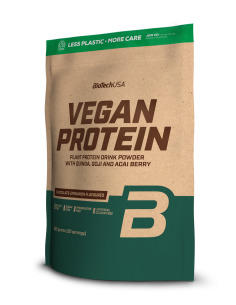
Vegan Protein
Vegan Protein powders are made entirely from plant-based protein sources.
Modern vegan formulas usually combine several plant proteins to provide a more complete amino acid profile.
Common sources include:
- Pea Protein
- Rice Protein
- Soy Protein
- Hemp Protein
- Pumpkin Seed Protein
- Sunflower Protein
Benefits
- 100% plant-based
- Naturally lactose-free
- Suitable for vegans and vegetarians
- Good alternative for people with milk protein allergies
- Often very filling
Drawbacks
- Taste and texture vary depending on the ingredients
- Individual plant proteins may have a lower biological value than Whey Protein, which is why blended formulas are generally recommended
Best For
- Vegan lifestyles
- Vegetarian diets
- Milk protein allergies
- Lactose intolerance
Clear Whey
Clear Whey is also made from whey protein but is processed differently to create a light, refreshing fruit-flavoured drink instead of a creamy milkshake.
It has become increasingly popular, especially during summer and after intense workouts.
Benefits
- Refreshing taste
- Light and easy to drink
- Fast absorption
- Great alternative to creamy protein shakes
Drawbacks
- Less creamy texture
- Usually slightly more expensive than regular Whey Protein
Best For
- Summer
- Cardio and endurance athletes
- Anyone who prefers juice-like protein drinks
Which Protein Is Right for You?
|
Goal
|
Recommended Protein
|
|
Muscle Growth
|
Whey Protein or Multi-Component Protein
|
|
Post-Workout Recovery
|
Whey Protein or Whey Isolate
|
|
Fat Loss
|
Whey Isolate or Casein
|
|
Long-Lasting Fullness
|
Casein
|
|
Vegan Diet
|
Vegan Protein Blend
|
|
Lactose Sensitivity
|
Whey Isolate or Vegan Protein
|
|
Everyday Use
|
Whey Protein or Multi-Component Protein
|
Conclusion
There is no single "best" protein powder for everyone. The right choice depends on your goals, diet and personal preferences.
For most recreational athletes, a high-quality Whey Protein is an excellent all-round option. Those looking for maximum protein with fewer calories may prefer Whey Isolate. Casein is ideal for prolonged protein release, while Multi-Component Protein combines fast- and slow-digesting proteins in one product. Vegan Protein blends provide an excellent plant-based alternative for those avoiding dairy.
Ultimately, the most important factor is meeting your daily protein requirements with a high-quality product that fits your lifestyle and training goals.











Comments (0)